National Dish Germany: Leek Stew (Recipe)

In this article
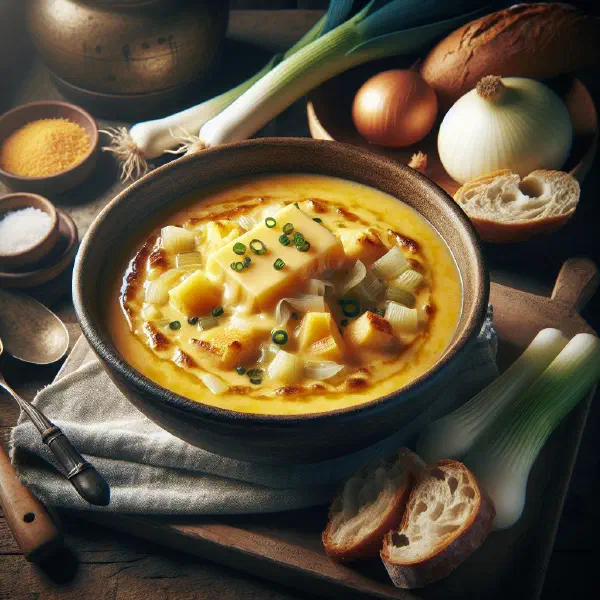
There is something wonderfully reassuring about a pot of Leek Stew bubbling away on the hob. Rooted in the thrifty, no-nonsense cooking of the former GDR, this East German classic turns a handful of humble ingredients into a warming bowlful with real depth of flavour. Tender leeks, soft potatoes and a savoury sausage or bacon make it the kind of honest, filling meal that tastes even better reheated the next day. On a chilly evening, few things beat it for sheer comfort.
About Leek Stew
Leek Stew made the old GDR way is a fuss-free, warming dish that gets by with just a few ingredients yet still delivers a robust, satisfying flavour. The hallmark is the pairing of leek with potatoes and a hearty addition that makes the stew genuinely filling. Slow simmering allows the flavours to mingle beautifully, so what lands on the table is a rounded, down-to-earth meal. On cool days it really comes into its own, scoring points for its comforting warmth, easy preparation and the fact that it reheats so well.
Ingredients (serves 1–2)
- 1 stick of leek (about 250–300 g)
- 2–3 potatoes (about 300 g), floury or mostly waxy
- 1 small onion
- 1 carrot (optional, for a gentle sweetness)
- 750 ml vegetable or meat stock
- 100–150 g cooking sausage, bockwurst or bacon (the classic savoury option)
- 1 tablespoon oil or lard
- 1 bay leaf (optional)
- Salt and black pepper
- A pinch of marjoram or caraway (optional, good for digestion)
- A splash of cream or a little milk (optional, for extra creaminess)
Shopping for the ingredients
It pays to look out for fresh leek when you shop: the stalk should feel firm, the cut ends should not be dried out and the green part should be vivid. Potatoes form the backbone of the dish, so floury varieties are ideal if you want a slightly velvety stew, while mostly waxy potatoes hold more of their bite. For the savoury element you can choose between sausage, bacon or a vegetarian alternative, what matters is good seasoning, so the stew never tastes flat. If you are buying stock, a low-sodium version is handy, as it lets you control the salt and spices yourself.
Preparing the dish
Leek needs a thorough wash, as grit often collects between the layers; the best approach is to slit it lengthways and rinse it under running water. Peel the potatoes and cut them into even cubes so everything cooks at the same rate and the stew ends up with a uniform texture. Finely chop the onion and, if using, the carrot, as these form the aromatic base and add extra depth of flavour. If you are using sausage, slice or dice it in advance so you can add it quickly later and keep good control over the cooking time.
Step-by-step instructions
- Heat the oil or lard in a pot and sweat the onion until translucent, optionally adding the carrot to colour briefly.
- Add the leek and sweat for 2–3 minutes so it develops its aroma without browning.
- Stir in the potato cubes, pour over the stock and add the bay leaf if using.
- Bring everything to the boil, then simmer over medium heat for 15–20 minutes until the potatoes are soft.
- Add the sausage or bacon in the last 5–8 minutes so it heats through without drying out.
- Season with salt, pepper and optionally marjoram or caraway, then round off with a splash of cream or milk if you like.
Gluten-free / lactose-free version
A gluten-free version of this stew is usually straightforward, since the vegetable-and-potato base is naturally free from gluten; the tricky elements are the stock and the sausage. Make sure your stock, spice mixes and sausages are clearly labelled gluten-free, as some products can contain starch or flavour carriers. To make the dish lactose-free, simply leave out the cream or milk, or swap in lactose-free cream or a plant-based alternative. If you want more creaminess, you can instead lightly mash some of the potatoes in the pot. This thickens it naturally and needs no dairy at all.
Tips for vegans and vegetarians
The stew works wonderfully as a vegetarian dish if you leave out the sausage and instead build depth with smoked tofu, smoked paprika or pan-fried mushrooms. To make it vegan, also reach for an animal-free stock and a plant-based cooking cream, or skip the creamy additions altogether. For a more savoury note, a small spoonful of mustard or a dash of soy sauce/tamari (gluten-free if labelled accordingly) stirred in at the end works a treat. So the stew still fills you up without a meaty addition, white beans, lentils or pan-fried smoked tofu cubes make especially practical fillings.
More tips and tricks
A leek stew turns out more aromatic if you give the vegetables real time as they sweat, because this is where the base notes form that later carry the stock. If you prefer it smoother, mash some of the potatoes at the end with a wooden spoon, or blitz briefly with a stick blender for just a few seconds so chunks remain. A topping of chopped parsley or chives, added only at serving time, brings extra freshness. Reheated the next day the stew often tastes even better, as the flavours have had longer to come together; you may just need to top up with a little stock.
Adapting the recipe to your taste
You can easily dial the intensity of the leek flavour up or down by using more of the white part, which is stronger, while the green is milder and more herbal. For a rustic twist, an extra handful of celery or a piece of soup greens makes the stock fuller in flavour. If you like a bit of heat, add a small pinch of chilli or smoked paprika without altering the stew’s essential character. The consistency is flexible too: more stock gives you a soup, while less stock and more mashed potato yields a thicker stew, much like a sturdy Saxon Potato Soup.
Ingredient substitutions
If you cannot get hold of leek, you can achieve a similar result with spring onions plus a small amount of mild white cabbage, although the flavour will differ a little. Potatoes can be partly replaced with parsnips, which boosts the sweetness and gives the stew a more refined feel. Instead of sausage, smoked plant-based sausages, fried tempeh strips or simply crisp pan-fried onion rings make a good filling if you would rather skip the meat. If you have no stock to hand, you can use water but should then help things along with salt, bay leaf and a little root vegetable so the flavour does not turn out too thin.
Drink pairing ideas
A hearty leek stew goes well with drinks that are not too sweet and that sit comfortably alongside the savoury seasoning. A very classic choice is a light beer or a mild pilsner, as the gentle bitterness pairs nicely with the leek. For non-alcoholic options, a sparkling mineral water or an apple spritzer is a good shout, refreshing the palate between spoonfuls. If you prefer tea, a mild herbal tea works well; fennel-anise-caraway is especially pleasant when the stew is robustly seasoned.
Serving and presentation ideas
Serve the stew in pre-warmed bowls so it stays hot for longer and keeps the right temperature as you eat. A small dollop of plant-based cream or soured cream (depending on your diet) not only looks good but rounds out the flavour. For a visual flourish, fresh herbs and a touch of freshly ground black pepper instantly make it look appetising and play up the rustic note. If you serve bread alongside, rye bread or grey bread works particularly well, being hearty enough not to overpower the stew, much like the bread you might pair with a Rhenish Bean Soup.
A bit of history
Stews were an everyday staple across many German regions, as they are filling, easy to prepare ahead and adaptable to seasonal vegetables. In the GDR dishes of this kind were especially popular, since they relied on simple basic ingredients and could be varied flexibly according to what was available. Leek was a prized vegetable in many households because it brings aroma and performs reliably in soups and stews without needing complicated preparation. The character of the dish therefore stands for a style of cooking built on practicality, warmth and excellent value, a thread running through much of German cuisine.
More recipe ideas
Summary: Leek Stew
Leek Stew (GDR recipe) wins you over with its short ingredient list, simple steps and a savoury flavour that unfolds fully through sweating and gentle simmering. With potatoes as the base, the dish becomes pleasantly filling and can be varied in consistency from soupy to velvety. With a few targeted tweaks it can also be made gluten-free, lactose-free as well as vegetarian or vegan without losing its character. Anyone who has cooked up a pot will also appreciate that the stew often tastes even more aromatic the next day and reheats beautifully.