National Dish Germany: Maultaschen (Recipe)
In this article
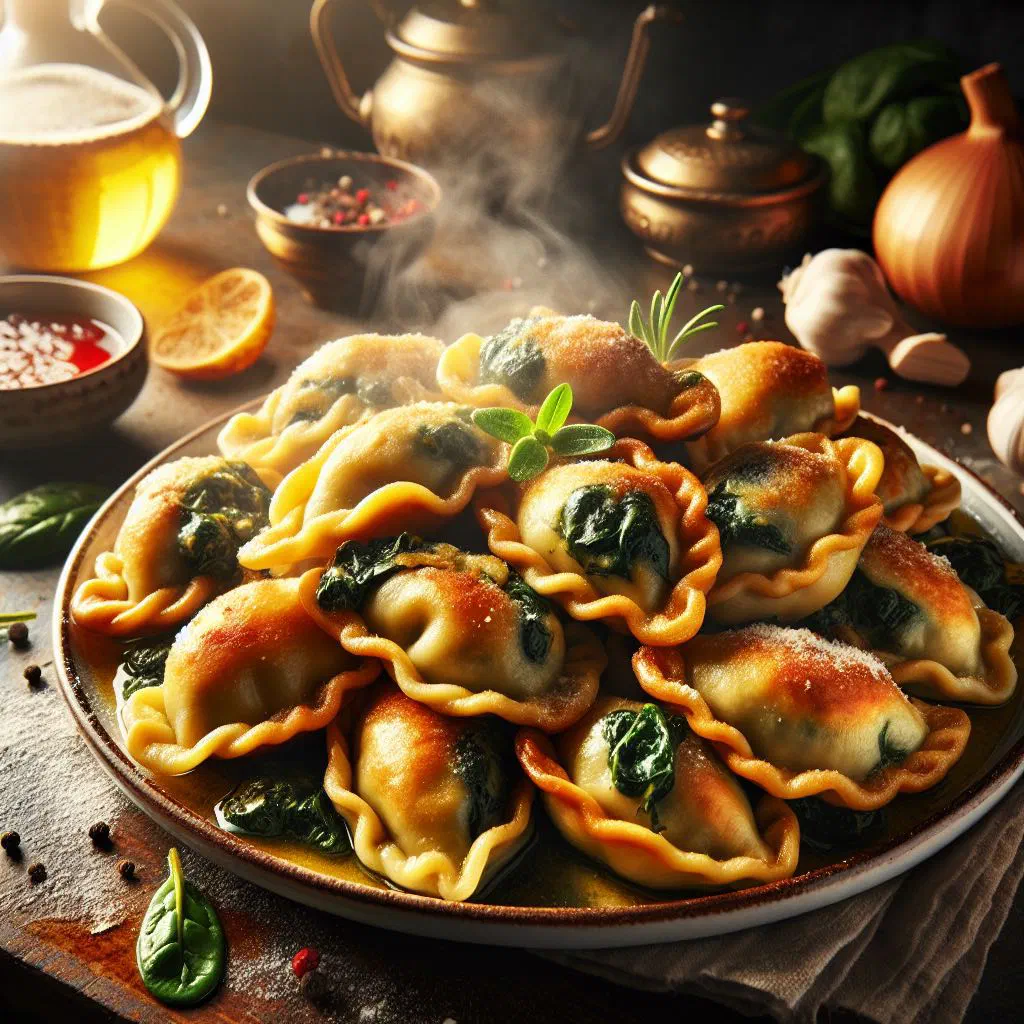
Meet Maultaschen, the hearty filled pasta parcels that southern Germany holds dear. Often dubbed the Swabian national dish, these generous pockets of fresh egg dough wrap a savoury filling of meat, herbs and aromatics into one comforting bite. Fry them golden in butter or crown them with sweet onions, they bring a taste of regional tradition straight to your table. Roll up your sleeves and discover just how rewarding homemade Maultaschen can be.
About Maultaschen
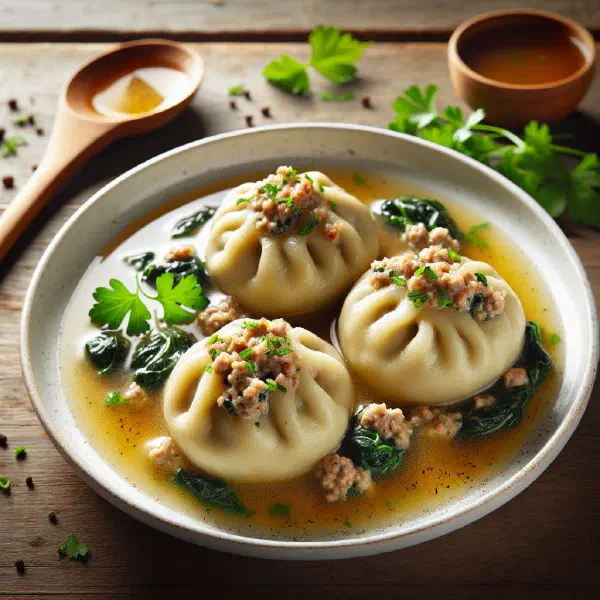
Maultaschen are a traditional Swabian dish, so beloved in the region that they are often called the “Swabian national dish”. These hearty, filled pasta parcels are wonderfully versatile and can be prepared in all sorts of ways. Served in broth, pan-fried until golden, or finished with a scatter of caramelised onions, they are a treat for absolutely everyone. The combination of tender egg dough and a richly seasoned filling makes them a true cornerstone of German cuisine.
Ingredients (serves 1–2)
- 200 g plain flour
- 2 eggs
- 1 pinch of salt
- 200 g minced meat (pork or beef)
- 1 onion, finely chopped
- 1 garlic clove, finely chopped
- 1 tablespoon parsley, finely chopped
- 1 tablespoon chives, finely chopped
- Salt and pepper, to taste
- Butter or oil, for frying
Shopping for the ingredients
You will find almost all of the ingredients in your nearest supermarket. Look out for fresh herbs and good-quality minced meat so you can enjoy the full flavour of the Maultaschen. Alternatively, pay a visit to a butcher you trust to pick out the best cuts of meat. A little care over your ingredients goes a long way towards an authentic result.
Preparing the dish
Get everything ready before you start by mincing the meat, finely chopping the onion and garlic, and washing and chopping the herbs. Measure out the flour and salt and crack the eggs into a separate bowl. For the filling, combine the minced meat, onion, garlic and herbs in a bowl and season generously with salt and pepper. A tidy, well-organised work surface makes the whole process much smoother.
Step-by-step instructions
- Tip the flour and salt into a bowl. Make a well in the centre and pour in the eggs.
- Working from the outside in, knead everything into a smooth dough. Leave the dough to rest for about 30 minutes.
- Roll the dough out thinly on a floured surface and cut it into rectangles.
- Place a spoonful of the filling in the middle of each rectangle. Brush the edges with egg white, fold over and press firmly to seal.
- Simmer the Maultaschen in gently bubbling water for about 10 minutes.
- Lift the Maultaschen out of the water and finish them however you like (for example, serve in broth or pan-fry them in butter).
Gluten-free / lactose-free version
Maultaschen are easy to adapt for special diets. For a gluten-free version, simply swap the wheat flour for a good gluten-free flour blend so the dough still holds together well. To make the dish lactose-free, fry the parcels in oil or plant-based margarine rather than butter. With a couple of small swaps, everyone can enjoy this Swabian classic.
Tips for vegans and vegetarians
A vegan or vegetarian version is easy to put together by replacing the meat with a filling of spinach, mushrooms and vegan ricotta. Tofu or lentils also make an excellent base for the filling and keep things satisfyingly hearty. Lean on fresh herbs and good seasoning to bring the flavour to life, and you will hardly miss the meat at all.
More tips and tricks
Experiment with the spices and herbs to refine the Maultaschen to your own taste. A little grated nutmeg or a touch of lemon zest can introduce an interesting new note to the filling. Take your time sealing the parcels firmly so they do not burst while cooking, a well-pressed edge is the secret to keeping all that flavour where it belongs.
Adapting the recipe to your taste
The recipe for Maultaschen is wonderfully easy to tailor to personal preference. Try different fillings such as ham and cheese, vegetables or mushrooms to ring the changes. You can also roll the dough thicker or thinner depending on how you like it, a sturdier parcel for frying, or a more delicate one for serving in broth.
Ingredient substitutions
If you would rather not use pork or beef, minced chicken or lamb works just as well in the filling. Gluten-free flour can stand in for wheat flour to make a coeliac-friendly version of the parcels. These kinds of substitutions help you adapt the recipe to what is in season or to suit any dietary needs around the table, much like the flexible approach behind Swabian Lentils with Spätzle.
Drink pairing ideas
A good white wine, such as a Riesling or Silvaner, pairs beautifully with Maultaschen, as does a fresh, cold beer. For something non-alcoholic, a sparkling apple spritzer or a homemade iced tea harmonises nicely with the savoury filling. Choose whatever best matches the occasion, from a cosy supper to a more festive spread.
Serving and presentation ideas
Serve the Maultaschen on a large, rustic platter, garnished with fresh herbs and sweet caramelised onions for a homely, inviting look. For a different twist, present them in small bowls of clear broth so each guest gets a comforting serving of their own. A scatter of chopped chives on top adds a final flourish of colour.
A bit of history
The Maultasche has a long tradition, and there are countless legends about where it came from. The best-known tale holds that Maultaschen were invented by monks at Maulbronn Monastery, who wanted to hide the meat from God during Lent, hence the affectionate nickname “Herrgottsbscheißerle”, roughly “little God-cheaters”. Whatever the truth, the dish has become a proud symbol of Swabian cooking.
More recipe ideas
Summary: Maultaschen
Maultaschen are a traditional, versatile dish that can easily be adapted to different tastes and diets. With the right ingredients and a little care in the preparation, you can enjoy a real slice of Swabian culture in your own home. Give the recipe a go, play around with different fillings, and let the hearty, comforting flavour win you over.