National Dish Germany: Mini Doughnuts (Recipe)
In this article
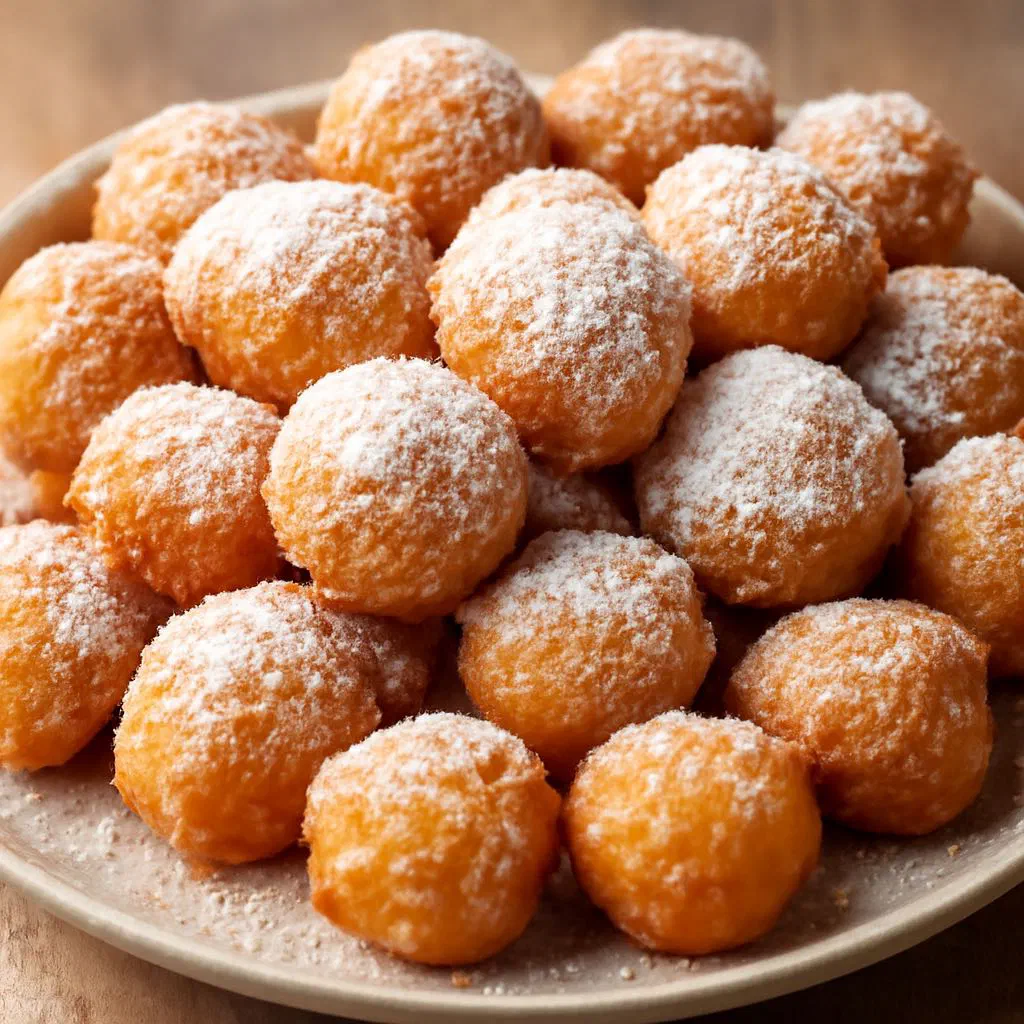
Few smells say home quite like a pan of mini doughnuts sizzling away on the stove. Known in Germany as Kräppelchen, these little nuggets of sweet fried dough are a fond memory for many who grew up with GDR home cooking. Crisp on the outside, soft and pillowy within, and rolled while still warm in plenty of sugar, they come together from a handful of everyday ingredients. Brew a pot of coffee, gather the family, and bring a slice of nostalgic comfort straight to your kitchen.
About Mini Doughnuts
Mini doughnuts are a traditional sweet fried pastry that many people associate with hearty GDR home cooking and the comforting aromas of a family kitchen. The small, golden-brown pieces of dough are lightly crisp on the outside and pleasantly soft within, which makes them ideal as a snack, a dessert or an accompaniment to afternoon coffee. The defining steps are deep-frying in hot fat and then rolling the pieces in sugar or giving them a light dusting of icing sugar. Because the recipe relies on only a few ingredients, it is well worth using fresh basics and getting the frying temperature just right.
Ingredients (serves 1–2)
- 150 g plain flour (type 405 or 550)
- 1/2 sachet baking powder
- 30–40 g sugar (plus extra for rolling)
- 1 pinch salt
- 1 egg (medium)
- 60–80 ml milk (as needed, so the dough becomes workable)
- 1 tsp vanilla sugar or a little vanilla
- Oil or lard for frying
- Optional: icing sugar, cinnamon sugar, lemon zest
Mini doughnuts deliberately call for a small, everyday shopping list, which means you can rustle them up on a whim. The key is that the flour and baking powder work together well, so the pieces puff up lightly as they fry rather than turning dense. The milk lets you control the consistency: the dough should be soft but not runny, so that it can be portioned easily. An optional touch of vanilla or lemon adds a delicate note without overpowering the classic flavour.
Shopping for the ingredients
When shopping, it pays to choose fresh eggs and a milk you tolerate well, as both noticeably affect taste and texture. For frying, a heat-stable oil (such as rapeseed oil) is practical, while lard gives the pastry a particularly traditional character. If you like your mini doughnuts especially fine, reach for a pale flour (type 405); for a little more bite, type 550 works nicely. Sugar and vanilla are standard, but a small store of icing sugar or cinnamon makes the finish far more versatile.
Preparing the dish
Before you start, it helps to weigh out all the ingredients and keep them within easy reach, so the dough can be worked quickly. Set out a bowl lined with kitchen paper too, where the mini doughnuts can drain briefly after frying. For even results a thermometer is useful, because the fat temperature decides whether the pieces cook through inside without turning too dark outside. If you are rolling them in sugar, it is best to have it ready on a shallow plate so you can work the moment they come out of the fat.
Step-by-step instructions
- Mix the flour, baking powder, sugar, vanilla sugar and salt thoroughly in a bowl.
- Add the egg and gradually pour in the milk until you have a soft, workable dough.
- Heat the oil or lard in a pan to roughly 170–175 °C (do not let it smoke).
- Scoop small portions from the dough (for example with two spoons) and lower them carefully into the fat.
- Fry the mini doughnuts for 2–4 minutes, turning them, until evenly golden brown.
- Lift them out with a slotted spoon, drain briefly on kitchen paper and, while still warm, roll in sugar or cinnamon sugar.
The most important variable is the temperature of the fat: too hot means dark outside and raw within, while too cool makes the doughnuts greasy. Take care not to overfill the pan, so the temperature stays stable and the pieces have room to puff up. The dough should not be too firm, or the doughnuts will turn out dry; if it is too soft, they will spread and cook unevenly. If you want consistent sizes, a small ice-cream scoop or scooping with two teaspoons helps.
Gluten-free / lactose-free version
For a gluten-free variant, replace the plain flour with a gluten-free flour blend for cakes and pastries, ideally one with a little binding such as xanthan or guar gum (if not already included). It is important to let the dough rest for a few minutes after mixing, because gluten-free flours absorb liquid more slowly and the consistency only stabilises afterwards. A lactose-free result is easy: simply use lactose-free milk or a plant-based alternative; oat or almond drinks work particularly well for flavour. The frying itself is straightforward, as the fat usually contains no lactose and still delivers that signature golden crust.
Tips for vegans and vegetarians
Mini doughnuts are usually already vegetarian, provided you fry them in vegetable oil rather than lard. They become vegan if you replace the egg, for instance with 1 tbsp ground flaxseed plus 3 tbsp water (left to swell briefly) or with apple purée, which also brings a mild sweetness. Swap the milk simply for a plant drink, where oat gives a rounded aroma and soya often provides the most stable binding. With vegan versions it is especially important to check the dough consistency carefully, because egg substitutes bind more or less liquid depending on the product.
More tips and tricks
If you want your mini doughnuts especially airy, sift the flour and stir the dough only until everything just comes together, as over-mixing can make the result tougher. For clean frying, a deep pan is worth using so nothing bubbles over and you can turn the doughnuts easily. A small test helps: drop a tiny piece of dough into the fat, if it rises quickly and browns slowly, the temperature is right. It is best not to store finished mini doughnuts warm in an airtight container, or they will lose their crisp surface; letting them cool briefly in the open air is ideal.
Adapting the recipe to your taste
You can vary mini doughnuts in flavour without changing the basic structure, for example by adding lemon or orange zest to the dough. For a wintry touch, stir in a pinch of cinnamon, cardamom or a small amount of gingerbread spice, but keep the dose light so the classic stays recognisable. For more sweetness you can increase the sugar in the dough, though it is often enough to roll the warm pieces generously in sugar. The shape is flexible too: small morsels cook faster, while larger pieces stay softer inside but need steadier temperature control.
Ingredient substitutions
If you have no baking powder, you can in many cases use a mix of bicarbonate of soda and an acidic component, such as a squeeze of lemon juice in the dough, though the rise will turn out a little differently. Instead of sugar in the dough, finely ground cane sugar or coconut blossom sugar also work, though they bring a stronger flavour of their own. With the milk, almost any variety is possible. Just be sure to adjust the amount of liquid so the dough does not become too thin. For frying, neutral oil is the most straightforward, while lard feels more traditional and often gives an especially tender crust. The same love of simple frying shines in Eifel Potato Pancakes.
Drink pairing ideas
Classically, mini doughnuts go beautifully with filter coffee or strong mocha, because the roasted notes balance the sweetness pleasantly. For children, or as an afternoon alternative, hot chocolate is popular, especially when the doughnuts are coated in cinnamon sugar. Tea works just as well: a black tea or a mild fruit tea brings enough structure without masking the flavour. If you fancy something more festive, a glass of milk or a plant-based version suits them too, rounding off the slight richness nicely.
Serving and presentation ideas
Mini doughnuts look loveliest arranged in a shallow dish and dusted with icing sugar just before serving, so the surface looks fresh. A little bowl of sugar, cinnamon sugar or vanilla sugar alongside invites everyone to season to taste. For a classic coffee-table look you can arrange them on baking paper or a napkin, which also absorbs any excess fat. If you have guests, set out an extra portion with lemon sugar too, so a fresh note joins the sweet one at the table.
A bit of history
Mini doughnuts belong to that family of pastries known in similar forms across many regions of Germany, often as small, fried pieces of dough made for special occasions or simply as a sweet reward. In GDR cuisine, recipes with few, readily available ingredients were especially prized, which is why such simple fried doughs held a firm place in everyday life. Frying in fat is an old method of turning plain doughs into an aromatic pastry that satisfies quickly and lasts well. It is precisely the combination of a golden crust and a sugar coating that keeps mini doughnuts a nostalgic comfort food to this day, much like other treasures of German cuisine.
More recipe ideas
- Buckwheat Pancakes
- Potato Pancakes with Apple Sauce
- Yeast Dumplings with Vanilla Sauce
- Halle Chocolate Balls
- Rice Pudding with Cinnamon
If you enjoy mini doughnuts, you will most likely also love other classic sweet treats that use few ingredients and come together quickly. Many of these recipes likewise live on a good balance of dough consistency and heat, whether in a pan, a waffle iron or a pot. The practical part is that you often use similar staples, flour, sugar, eggs and milk, so you barely need to shop extra. That way you can decide, depending on the occasion, whether to serve something fried, baked or pan-cooked.
Summary: Mini Doughnuts
Mini doughnuts are a simple, traditional fried pastry that needs only a few ingredients yet delivers a particularly cosy result. With the right fat temperature and a soft, easily portioned dough, they turn out golden brown outside and tender within. Variations are easy to make, through cinnamon sugar, vanilla, citrus zest or adaptations for gluten-free, lactose-free and vegan versions. Served with coffee, hot chocolate or tea, mini doughnuts become a small highlight that is quick to make and long to remember.