National Dish Germany: Mitropa Solyanka (Recipe)
In this article
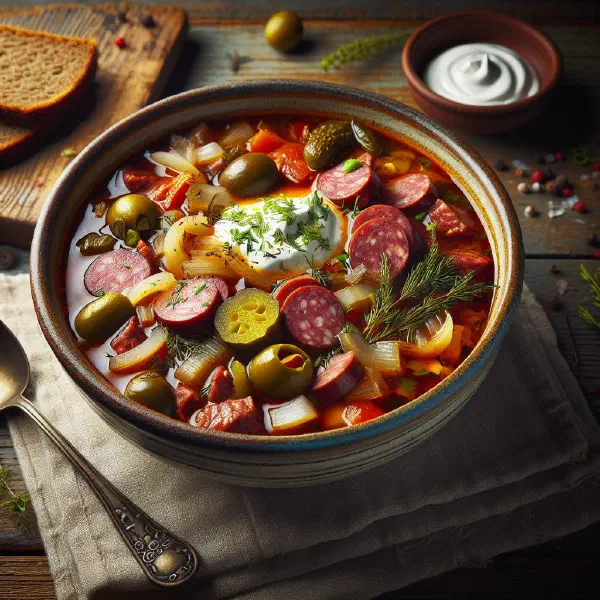
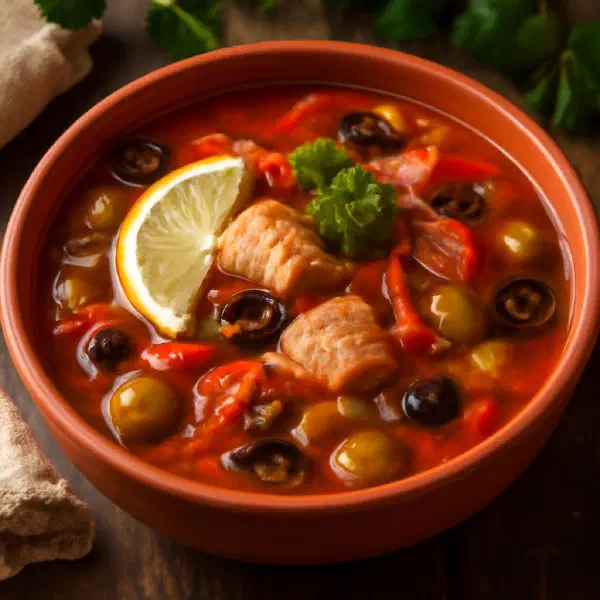
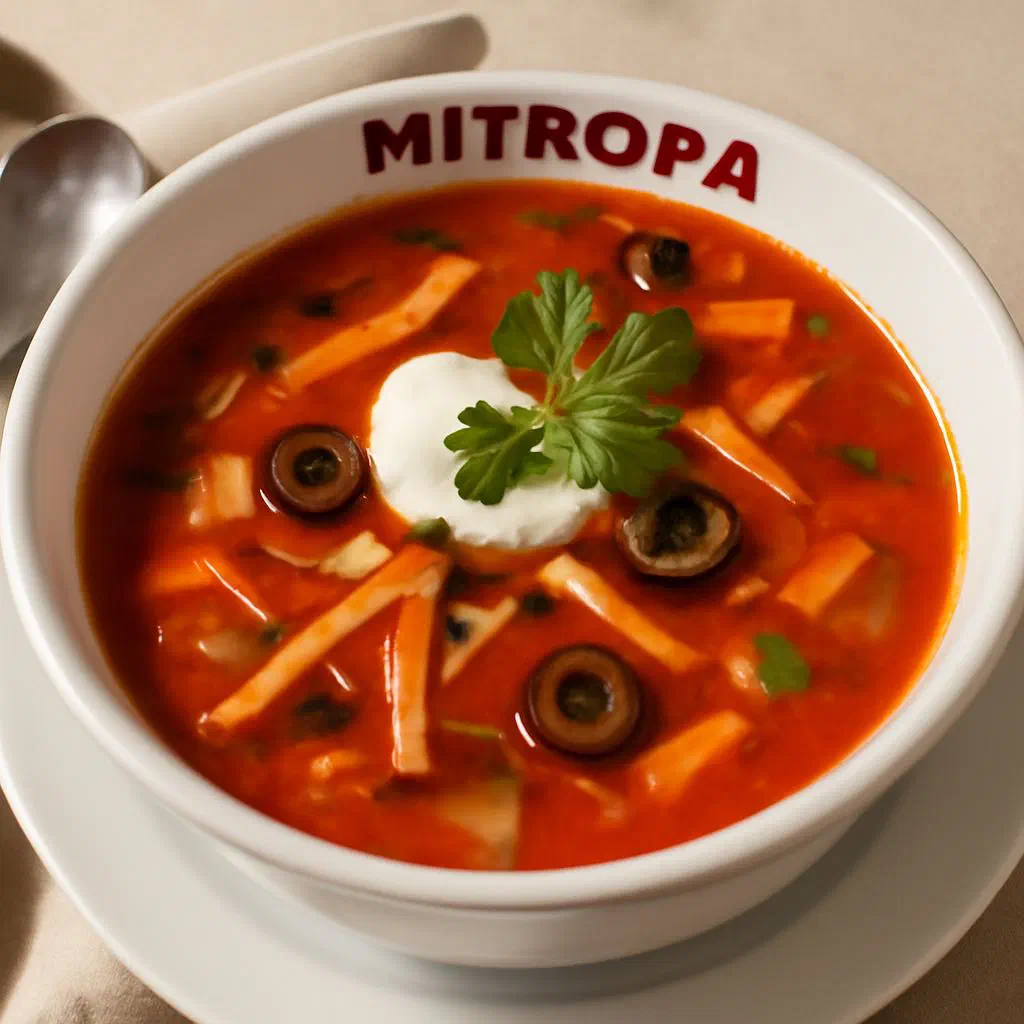
For many people, Mitropa Solyanka is a spoonful of nostalgia, the taste of station buffets, works canteens and the unmistakable comfort of a classic East German eatery. This hearty soup is built around a bold, gently sour and pleasantly spicy base of pickled cucumbers, tomato and a generous splash of pickle brine, all rounded out with strips of sausage and meat. It is the kind of dish that turns a few odds and ends from the fridge into something genuinely satisfying, and it only gets better once the flavours have had a moment to mingle.
About Mitropa Solyanka
Mitropa Solyanka is a much-loved relic of GDR home cooking, a true canteen classic that nourished travellers and workers alike. Its hallmark is a robust, slightly sour and piquant character that comes from pickled cucumbers, a tomato base and often a hint of pickle brine. Traditionally it is served as a filling soup, and it is the perfect way to make tasty use of leftover sausage and meat. Anyone who has cooked it properly soon discovers the secret: the flavour deepens when the solyanka is allowed to rest for a short while, giving the aromas time to come together.
Ingredients (serves 1–2)
- 150–200 g leftover sausage and/or meat (e.g. bologna, bockwurst, smoked pork loin)
- 1 small onion
- 1 clove of garlic (optional)
- 1 tbsp oil or lard
- 2–3 pickled cucumbers
- 150 ml passata or tomato juice
- 400–500 ml stock (meat or vegetable)
- 1–2 tbsp pickle brine (to taste)
- 1 tsp sweet paprika
- 1 bay leaf
- 1 tsp mustard (optional, for extra punch)
- Salt and pepper
- 1 pinch of sugar (to balance the acidity, optional)
- To serve: 1–2 tbsp soured cream or crème fraîche, a little lemon (optional)
Shopping for the ingredients
For an authentic solyanka it pays not to skimp on the pickled cucumbers and the sausage, as these ingredients set the dish’s whole character. The cucumbers should be crisp with a flavoursome brine, because some of that pickle brine later stands in for part of the acidity and seasoning. Classic sausages such as bologna or bockwurst work especially well, but smoked pork loin or ham trimmings bring a lovely savoury depth too. If you prefer to keep things simple, reach for passata and ready-made stock. Just go gently with the salt, since shop-bought stock is often already well seasoned.
Preparing the dish
The preparation is quick, but it makes all the difference between a soup that is merely fine and one with a truly rounded flavour. Dice the onions finely so they melt down during sautéing and form an aromatic base. Cut the sausage and meat into bite-sized strips, which gives the solyanka its typically rustic look and makes it pleasant to eat. The pickled cucumbers should likewise be cut into fine strips or small cubes so they spread evenly and their tang reaches every spoonful.
Step-by-step instructions
- Heat the oil or lard in a pan and gently sauté the onions over a medium heat until translucent. If using, add the finely chopped garlic for a moment too, without letting it brown.
- Add the sausage and meat strips and fry for 2–3 minutes to develop some roasted flavour. Stir in the paprika and deglaze straight away with a splash of stock so it does not turn bitter.
- Pour in the passata and the remaining stock, then add the bay leaf and the optional mustard. Bring everything to the boil and leave to simmer gently for 10–15 minutes.
- Add the pickled cucumbers and, after 3–5 minutes, season carefully with pickle brine. Use salt, pepper and an optional pinch of sugar to strike the balance of sour, savoury and piquant.
- Let the solyanka rest for 5 minutes so it can mature. To serve, add a dollop of soured cream or crème fraîche to each portion.
Gluten-free / lactose-free version
Solyanka usually turns out gluten-free on its own, as long as you avoid gluten-containing thickeners or bread accompaniments. The likely culprits are the sausages and the stock: some contain traces of gluten or wheat derivatives, so it is worth checking the labels. For a lactose-free version, swap the soured cream for lactose-free crème fraîche or a plant-based soya or oat alternative. Again, the soup itself is often lactose-free, the dairy garnish at serving time is the most common stumbling block.
Tips for vegans and vegetarians
A vegetarian solyanka works beautifully if you replace the sausage with smoked tofu, fried mushrooms or vegan sausage alternatives. A robust base is then essential, vegetable stock and a little smoked paprika will help you reach that characteristic depth. Vegans simply swap the soured cream for a plant-based cream and make sure the pickled cucumbers contain no animal additives (rare, but possible). If you want more bite, add some diced peppers or celery to the pot, as they bring both structure and a touch of sweetness.
More tips and tricks
The best flavour comes when the solyanka is not rushed: a gentle simmer and a short resting time make for far greater harmony. If it turns out too sour, a small pinch of sugar or a little more tomato base helps, rather than simply adding salt. Too thin? Let it reduce uncovered for a few minutes, which keeps the aromas concentrated and stops everything from going watery. Too strong? Loosen it with a splash of stock and then fine-tune again with pickle brine and pepper.
Adapting the recipe to your taste
Solyanka is an ideal dish to tailor to your own palate without losing its character. If you like it hotter, add chilli flakes, hot paprika or a dash of Tabasco, but go carefully so the acidity is not masked. For an extra-authentic “canteen” note, use a touch more pickle brine and fry the sausage a little harder. If you prefer it milder, hold back on the brine, increase the tomato content and serve with more soured cream, which noticeably tempers the tang.
Ingredient substitutions
If you have no pickled cucumbers to hand, cornichons or other sour gherkins will do the job, all that matters is a flavoursome brine. Instead of passata, you can stir tomato purée into the stock, which makes the soup even bolder, provided you fry it briefly first. As for the sausage, the rule is simple: use whatever you enjoy and have available, from bologna to kabanos, what counts is the savoury seasoning and a certain smoky note. If you would rather not use stock at all, water works too, but season more deliberately with bay, paprika and pepper.
Drink pairing ideas
A robust solyanka calls for drinks that either refresh the palate or carry the seasoning along. Very classic choices are a light lager or a crisp pilsner, since the bitterness works nicely against the acidity and the richness of the soup. Non-alcoholic options such as sparkling water with lemon, unsweetened iced tea or a slightly tart apple spritzer harmonise well, as they “reset” the palate. If you fancy something cosier, black tea is a surprisingly good match, its astringent note pairing well with savoury stews and soups.
Serving and presentation ideas
Solyanka looks particularly appetising served piping hot in pre-warmed bowls, so the aroma rises straight up. A dollop of soured cream or a lactose-free alternative in the centre adds contrast and gives the surface a calmer, prettier appearance. Finely sliced cucumber strips or a dusting of paprika make a fine topping, lending colour without overpowering the flavour. For a classic touch, serve bread on the side so everyone can decide for themselves whether to dip or simply nibble alongside.
A bit of history
Solyanka has its origins in Eastern European cuisine and was adapted across many regions until the German-speaking world developed its own version. In the GDR it became especially popular because it was inexpensive, filling and endlessly flexible, above all thanks to its use of leftover sausage and meat. The name “Mitropa” recalls the railway catering of train travel, where hearty, warming dishes were always in demand. Today the solyanka stands for nostalgia as much as for practical everyday cooking, coaxing plenty of flavour out of just a handful of ingredients, a quietly enduring corner of German cuisine.
More recipe ideas
Summary: Mitropa Solyanka
Mitropa Solyanka wins you over with its unmistakable blend of heartiness, acidity and a pleasantly piquant tomato base. With a few well-chosen ingredients, pickled cucumbers, stock and strips of sausage or meat, you create a soup that fills you up quickly while still leaving you wanting more. Its real beauty lies in its flexibility: you can easily adapt it to gluten-free, lactose-free or vegetarian needs without losing its essence. Give it a few minutes to mature and balance the acidity with care, and you will end up with a result that is every bit as comforting as it is bold, much like a steaming bowl of Saxon Potato Soup on a cold day.