National Dish Germany: Munich Skirt Steak (Recipe)
In this article
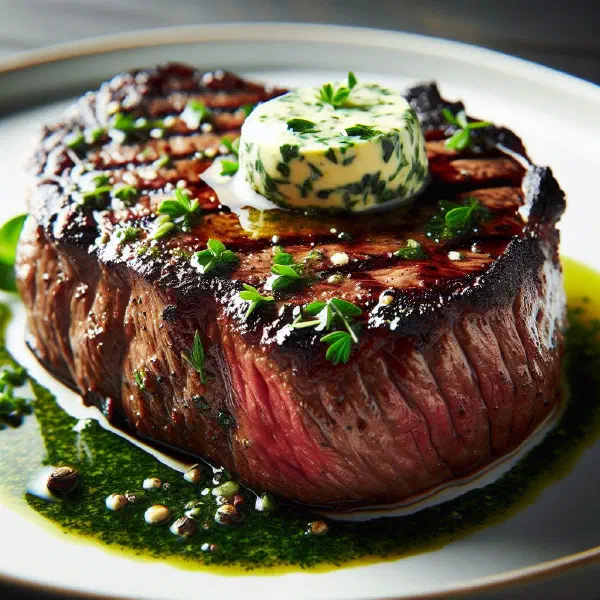
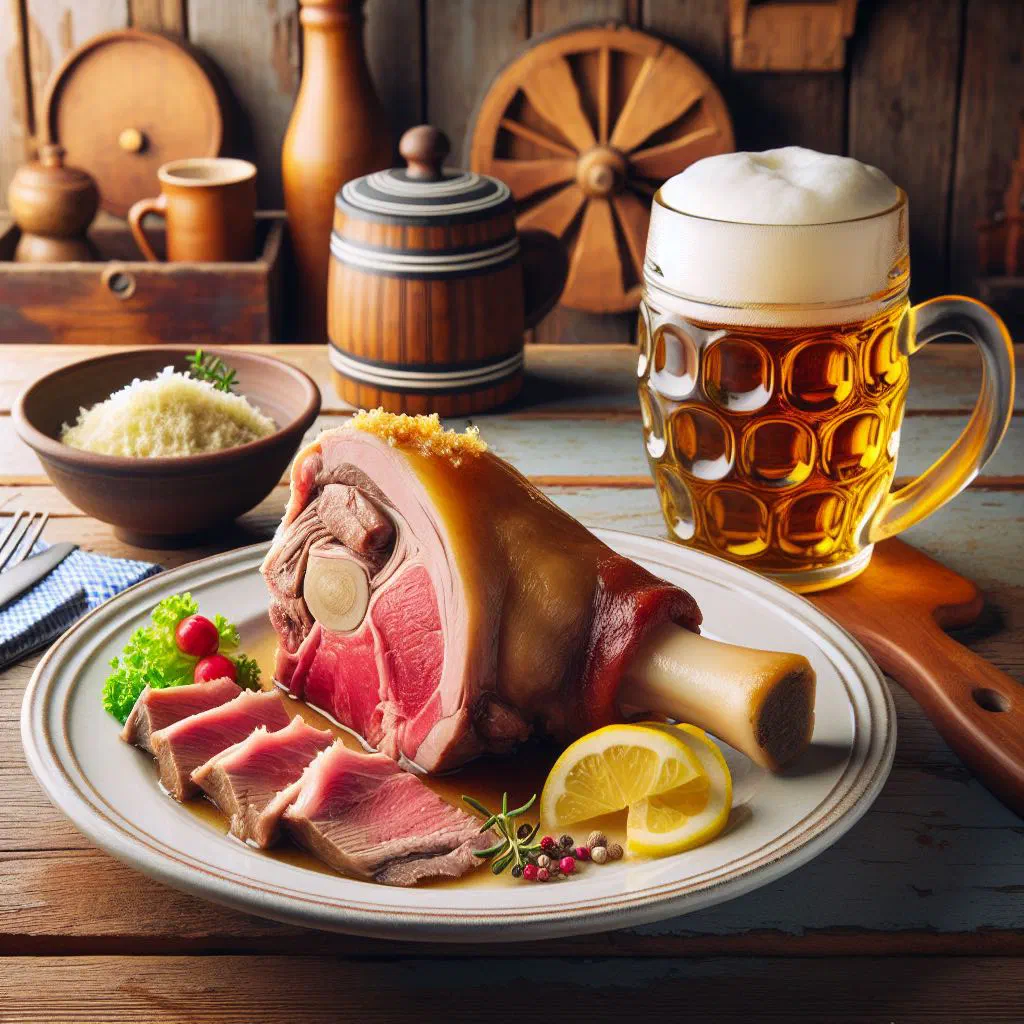
Say hello to Munich skirt steak, one of Bavaria’s most underrated beerhouse classics. Cut from the diaphragm rather than the brisket, this prized piece of beef is never braised for hours; instead it is gently poached in a robust broth for just a few minutes, leaving it juicy, tender and full of flavour. Served the traditional Munich way with horseradish, mustard and a tangy gherkin, it brings the warm, convivial spirit of a Bavarian tavern straight to your table.
About Munich Skirt Steak
Munich skirt steak is a special cut taken from the diaphragm of the animal. Not, as is often assumed, from the brisket. This is precisely why it is never slow-cooked for hours on end. Instead, it is poached in a strongly flavoured beef broth for just a few minutes, or simply left to steep off the heat. Treated this way, the meat stays beautifully juicy and aromatic. What makes it so unmistakably “Munich style” are the classic accompaniments: freshly grated horseradish, a dab of mustard and a sharp, sour gherkin. It is honest, no-fuss tavern food at its very best, the kind of dish you might also find alongside a hearty plate of Bavarian Meatloaf.
Ingredients (serves 1–2)
- 400–500 g skirt steak (diaphragm/hanger steak), in one piece
- 1 litre beef broth (robust, ideally homemade)
- 1 onion, halved
- 1 carrot (optional, for the broth)
- 1 piece of celery or leek (optional, for the broth)
- 2 bay leaves
- 6–8 peppercorns
- Salt to taste
- To serve: fresh horseradish or creamed horseradish, mustard, gherkin
- Side dish: fried potatoes / potato salad / bread
Shopping for the ingredients
The most important thing is to ask your butcher specifically for skirt steak from the diaphragm (sometimes also sold as “hanger steak” or “onglet”). It is wonderfully aromatic but delicate to cook: overcook it and it turns dry and tough. A good, robust beef broth ultimately makes all the difference, so a homemade stock is well worth the effort. Look for a deeply coloured, well-marbled piece of meat and have it cut to size in a single piece if you can.
Preparing the dish
The skirt steak should be kept in one piece wherever possible. Trim away only the coarse, tough membranes if necessary. Bring the broth to the boil in a large pan together with the onion, the optional soup vegetables, the bay leaves and the peppercorns. Then reduce the heat: the broth should not be bubbling away vigorously, but only gently steeping. Getting this temperature right at the start is the key to a tender, succulent result.
Step-by-step instructions
- Bring the beef broth to the boil with the onion, the spices (and the optional vegetables), then turn the heat down to very low.
- Lay the skirt steak into the broth. The liquid should only steep, never boil rapidly.
- Depending on thickness, leave it to steep for 3–8 minutes (as a guide: the thinner the cut, the shorter the time). The aim is meat that is tender and juicy.
- Lift out the meat, rest it for 2 minutes, then slice it against the grain.
- Arrange with a little hot broth and serve in the classic style with horseradish, mustard and a gherkin.
Gluten-free / lactose-free version
The dish is naturally gluten-free and lactose-free, the deciding factor is the broth (if you use a ready-made stock, check that it is labelled gluten-free). Creamed horseradish can contain milk, so simply reach for fresh horseradish instead for a fully lactose-free result. With these small swaps, everyone at the table can enjoy this Bavarian classic without worry.
Tips for vegans and vegetarians
Munich skirt steak is traditionally a meat dish through and through. As a “tavern-style alternative”, a robust vegetable broth with pan-fried mushrooms or seitan can stand in nicely, though of course it is no longer the original. For more meat-free Bavarian inspiration, a creamy Allgäu Cheese Soup makes a comforting choice.
More tips and tricks
- Avoid the main mistake: do not braise the meat or boil it for an hour or two — this is exactly what makes skirt steak tough.
- Temperature: let the broth steep only (a gentle simmer). A rolling boil is far too aggressive.
- Slicing: always cut against the grain, otherwise the meat will seem stringy and chewy.
- Use the broth: a ladleful of hot broth poured over at serving keeps the meat juicy.
Adapting the recipe to your taste
If you like a bit more depth, round out the broth with a little lovage or marjoram. Classically, though, the dish is deliberately kept simple: meat, broth, horseradish, a touch of acidity from the gherkin and a hearty side. It is the same restrained, ingredient-led spirit you find in dishes such as Onion Steak, where good beef is allowed to shine on its own.
Ingredient substitutions
- Skirt steak unavailable? Your best bet is onglet/hanger steak (often the very same cut under a different name) — not brisket.
- Broth: homemade beef broth is ideal; otherwise use a high-quality, robust ready-made stock.
- Side dish: fried potatoes, potato salad such as a tangy Bamberg Potato Salad, or simply good bread.
Drink pairing ideas
The natural partner here is a classic Helles (pale lager) or a malty Dunkles (dark lager); for an alcohol-free option, a tart Schorle (spritzer) works beautifully. The combination of savoury broth, sharp horseradish and a cold beer is utterly typical of the Bavarian tavern.
Serving and presentation ideas
Arrange the slices of meat on a warmed plate and nappe them with a little broth. Serve the horseradish and gherkin separately, with your chosen side alongside. For an extra-authentic “tavern” look, offer a small cup of hot broth on the side, a simple touch that makes the whole plate feel like a proper Bavarian feast.
A bit of history
Skirt steak is a classic “offal-adjacent” cut that was traditionally put to good use in Bavarian tavern cooking, where nothing went to waste. Precisely because it is so aromatic yet quick to turn tough, the method of briefly steeping it in broth became established over time. The dish is a fine example of the thrifty, flavour-first heart of German cuisine, much like the humble Dripping Bread with Onions born of the same resourceful tradition.
More recipe ideas
Summary: Munich Skirt Steak
Munich skirt steak is prepared from the diaphragm (skirt/hanger steak) and should only be left to steep in hot broth for a few minutes, long cooking times have no place here. Slice it against the grain, serve it with horseradish, mustard and a gherkin, and you have a genuine Bavarian tavern classic: simple, honest and deeply satisfying. Give it a try and bring a taste of Munich to your own kitchen.