National Dish Germany: Oat Macaroons (Recipe)
In this article
If you are after a no-fuss bake that tastes wonderfully homemade, oat macaroons in the old East German tradition are hard to beat. With just a handful of pantry staples, they come together in minutes and reward you with crisp, golden edges and a soft, slightly caramelised centre. They are the perfect biscuit-tin treat, humble enough for an everyday coffee break, yet charming enough to set out for guests without any elaborate decoration.
About Oat Macaroons
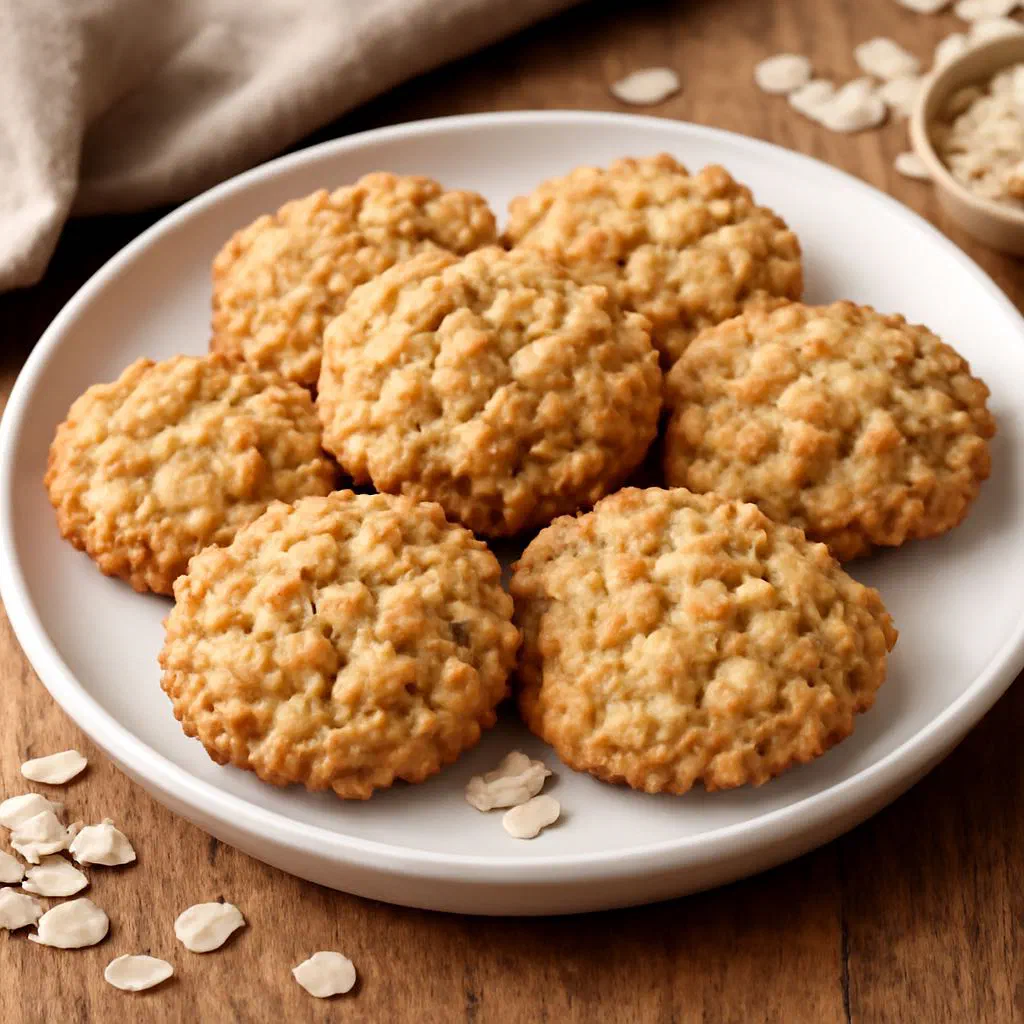
Oat macaroons (a classic GDR recipe) are a very uncomplicated bake that relies on only a few ingredients yet still tastes properly homemade. What makes them so distinctive is the pairing of rolled oats with a sweet, gently caramelised note that develops in the oven. Thanks to their rustic structure they turn pleasantly crisp on the outside while staying moist within, provided you do not overbake them. As a coffee-time treat, a biscuit-tin filler or a quick snack, they are a firm favourite precisely because they need no fancy decoration and still look like something special.
Ingredients (serves 1–2)
For a small batch that is ideal for a first attempt, a few basics are all you need. Reach for fine rolled oats if you prefer a smoother texture, or use jumbo oats for more bite. The quality of your butter and vanilla noticeably influences the aroma, even though the recipe is thoroughly down-to-earth overall. If you like things to move quickly, weigh out the ingredients before you start and the bake will all but take care of itself.
- 80 g rolled oats (fine or jumbo)
- 60 g sugar
- 1 egg (medium)
- 40 g butter (softened) or margarine
- 1 pinch of salt
- 1/2 tsp vanilla sugar or vanilla extract
- 1/2 tsp baking powder (optional, for a little extra lift)
Shopping for the ingredients
When shopping, it pays to think about your rolled oats: fine flakes bind better and give a more compact macaroon, while jumbo oats lend a coarser mouthfeel. Good-quality butter brings more aroma, whereas margarine is often cheaper and works just as well. If you plan to bake in larger quantities, buy oats in a bigger packet, as they keep for ages and also come in handy for porridge or muesli bars. For an especially rounded result, a good vanilla sugar or real vanilla can make all the difference, even in such a small amount. These are the same kind of reliable, well-stocked staples that turn up across German cuisine.
Preparing the dish
A tidy bit of preparation makes the macaroons more even and stops the mixture from turning too runny. Line a baking tray with baking parchment and preheat the oven in good time, so the macaroons get the right heat from the very start. Set the butter out beforehand so it is softened and easy to cream with the sugar. If you want neat, uniform mounds, an ordinary tablespoon or a small ice-cream scoop helps you portion them to a similar size.
Step-by-step instructions
- Preheat the oven to 175 °C (top/bottom heat) or 160 °C fan, and line a tray with baking parchment.
- Cream the butter, sugar, vanilla and salt together in a bowl until smooth.
- Add the egg and mix thoroughly until you have a smooth mixture.
- Stir in the rolled oats (and the optional baking powder) until the mixture is shapeable. If it seems too soft, let it stand for 1–2 minutes.
- Using two spoons, set small mounds on the tray, leaving a little space between them.
- Bake for about 10–14 minutes, until the edges are golden brown.
- Let the macaroons cool on the tray for 5 minutes, then transfer them to a wire rack to cool completely.
Gluten-free / lactose-free version
For a gluten-free version, the key point is choosing certified gluten-free oats, as ordinary oats can often contain traces of gluten. Look for clear labelling when you buy so the macaroons really are suitable. For the lactose-free version you can use lactose-free butter or switch to a plant-based margarine, which in most cases behaves very similarly in baking. Also double-check the ingredients list on your vanilla sugar or flavourings, as some products contain additives you may wish to avoid.
Tips for vegans and vegetarians
The recipe is vegetarian as it stands, and with a few tweaks it becomes vegan just as easily. In place of the egg, a flax egg usually does the job (for example, 1 tablespoon of ground flaxseed plus 3 tablespoons of water, left to swell for 10 minutes), which binds the mixture nicely. For the butter, simply swap in plant-based margarine or a vegan baking fat, though the aroma will vary slightly depending on the product. If you want a particularly attractive bake, a small extra pinch of sugar or a hint of vanilla can help, without changing the character of the macaroons.
More tips and tricks
To stop the macaroons spreading, the mixture should be stiff and shapeable at the end; a short rest helps the oats absorb the moisture if needed. Bake them a touch on the shorter side and let them finish setting on the tray, so they stay more pleasant inside and do not dry out. For an even result, shape mounds of a similar size, otherwise the small ones brown too much while the large ones are still soft. For extra aroma you can add a pinch of cinnamon, or toast the oats briefly in a dry pan before stirring them into the mixture.
Adapting the recipe to your taste
You can vary the sweetness very easily by reducing the sugar by 10–15 g, or by replacing part of it with brown sugar for a more caramelised note. If you prefer them coarser, use jumbo oats or mix both kinds to combine bite and binding. The texture is also up to you: a slightly longer bake makes them crunchier, a shorter one keeps them softer. For a firmer macaroon, shape the mounds more compactly; for lighter ones, spread them a little more airily.
Ingredient substitutions
If you do not have vanilla sugar, you can stand in with cinnamon, a touch of lemon zest or a little vanilla extract, the lemon zest in particular gives the macaroons a fresher feel. In place of butter, margarine is a classic alternative that stays stable in baking and holds the structure well, much as it does in many a German Cherry Cake. Some of the sugar can be swapped for coconut blossom sugar, which makes the colour darker and the aroma maltier. If you need to replace the egg, chia seeds or a ready-made egg substitute work alongside flaxseed, though you should always check the mixture for shapeability at the end.
Drink pairing ideas
Oat macaroons go best with drinks that balance their sweet, grainy note without overpowering it. The classic choice is coffee, since its roasted aromas pick up the macaroons’ gentle caramel note beautifully. For a milder option, black tea or a not-too-strong herbal tea suits well, leaving the sweetness intact. If you are after something cosy, cocoa also pairs nicely, especially when the macaroons have been baked a little crunchier.
Serving and presentation ideas
Even without elaborate decoration, the macaroons look appealing if you aim for an even shape and a nice golden colour. Serve them on a plain plate or a small wooden board so the golden hue really stands out. A light dusting of icing sugar gives a classic look without altering the taste much. If you have guests, layer the macaroons in a tin between sheets of baking parchment to create that nostalgic “biscuit tin from the old days” effect when it is opened.
A bit of history
Macaroon variations take many forms across the German-speaking world, and oat-based recipes are especially popular wherever simple, readily available staples take centre stage. Oats were long a dependable food that stored well and could be used in countless ways. Bakes like these show how, with very little effort, you can achieve a filling yet sweet result that earns its place in the biscuit tin. The combination of grain, sugar and fat reflects the pragmatic everyday cooking of the former East Germany, where flavour and feasibility go hand in hand, much like the thrifty bakes you find in many a corner of German cuisine.
More recipe ideas
- Halle Chocolate Balls
- Frankfurt Marzipan Balls
- Heidesand Shortbread
- Saxon Egg Custard Cake
- Silesian Streusel Cake
Summary: Oat Macaroons
Oat macaroons in the GDR style are an uncomplicated, aromatic bake that is on the table in no time with just a few ingredients. With the right mixture consistency and a moderate baking time, they turn out golden brown outside and pleasantly tender within. Simple adjustments make gluten-free, lactose-free or vegan versions possible without losing their fundamental character. If you are looking for a reliable recipe for the biscuit tin that adapts flexibly and pairs with coffee or tea, these macaroons are a very good choice.