National Dish Germany: Palatinate Liver Dumplings (Recipe)
In this article
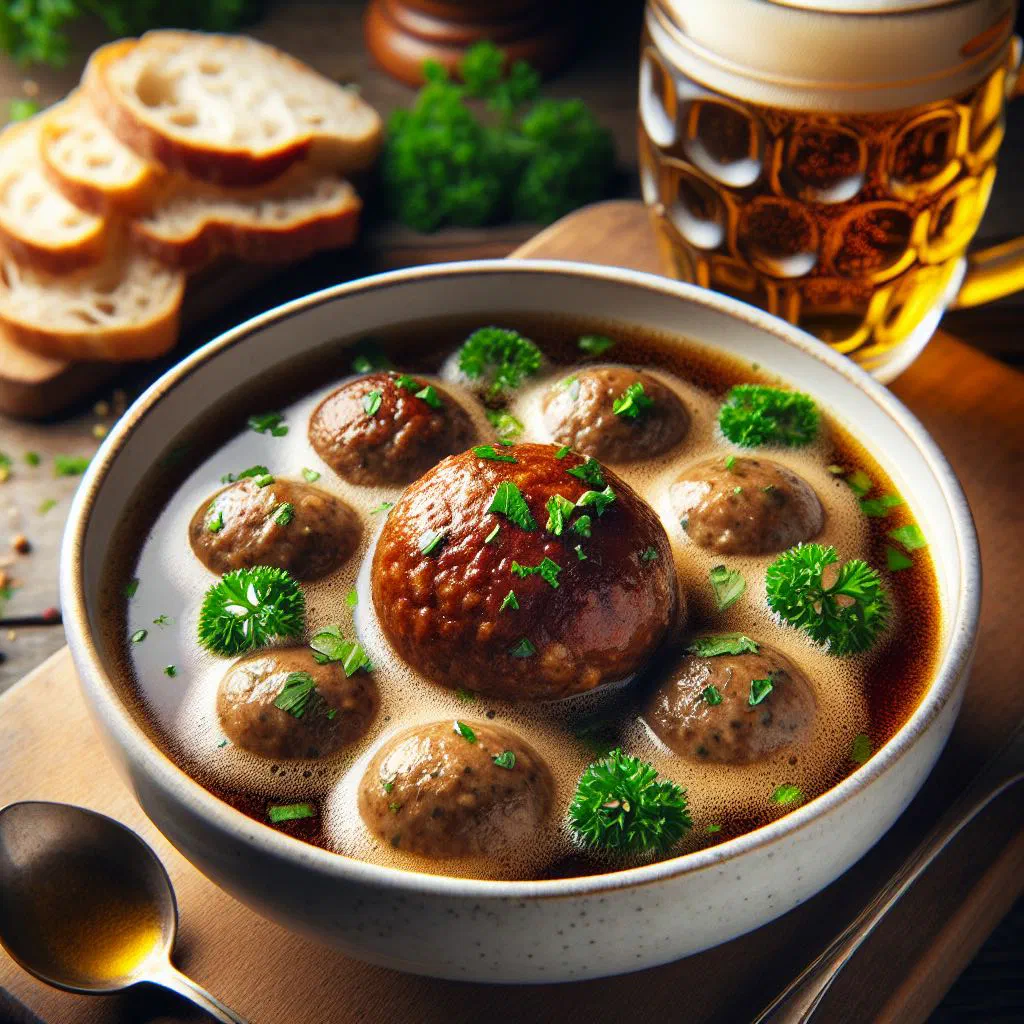
Meet Palatinate Liver Dumplings, a hearty classic from Germany’s Palatinate region that turns humble, honest ingredients into proper comfort food. These savoury dumplings combine fresh liver, soft breadcrumbs and a warming blend of spices into tender, full-flavoured morsels. Equally at home as a main course or a generous side, they win people over with their rich, distinctive taste and the satisfying contrast of textures. Bring a little of the Palatinate to your own kitchen with this time-honoured recipe.
About Palatinate Liver Dumplings
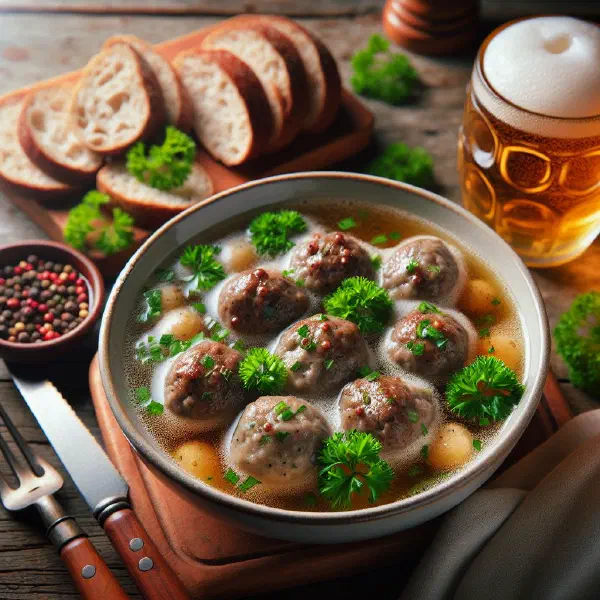
Palatinate Liver Dumplings are an undisputed highlight of German cooking, standing for tradition and good eating in equal measure. They are built mainly around freshly prepared liver, breadcrumbs and a particular mix of spices. These dumplings are a real treat for the palate and wonderfully versatile. They pleasure with their unique flavour and the interplay of different textures.
Ingredients (serves 1–2)
- 200 g liver (beef or pork)
- 100 g breadcrumbs
- 1 onion, finely chopped
- 1 egg
- 1 tsp salt
- 1 tsp pepper
- 1 tsp nutmeg, freshly grated
- 2 tbsp butter, for frying
- Water, for cooking
Shopping for the ingredients
The ingredients for Palatinate Liver Dumplings are available in most supermarkets or at regional markets. Be sure to buy fresh liver, as it sets the dominant flavour of the dish. Breadcrumbs are often sold ready-made, but homemade ones give you the advantage of a better texture. Don’t overlook the quality of your spices either, as they are what lend the dumplings their unmistakable aroma. These same wholesome staples turn up across German cuisine, from dumplings to hearty stews.
Preparing the dish
Before you start cooking, it pays to prepare all the ingredients properly. The onion should be very finely chopped so it cooks through evenly. It is also worth cleaning the liver thoroughly before use and cutting it into small pieces. All of this makes for a better eating experience, as the ingredients end up evenly distributed throughout the dumpling.
Step-by-step instructions
- Heat the oil or butter in a pan and gently sweat the onions until translucent.
- Add the liver and fry everything together until the liver is cooked through.
- Let the fried mixture cool, then tip it into a bowl.
- Add the breadcrumbs, egg, salt, pepper and nutmeg and mix well.
- With damp hands, shape the mixture into small dumplings.
- Cook in boiling water for around 15–20 minutes.
Gluten-free / lactose-free version
For a gluten-free version of Palatinate Liver Dumplings, you can use gluten-free breadcrumbs or tapioca starch to achieve the same level of binding. Lactose-free variations are just as easy: swap the butter for lactose-free margarine or a plant-based oil. These adjustments allow many more people to enjoy this traditional dish.
Tips for vegans and vegetarians
For anyone looking for a vegan or vegetarian alternative to Palatinate Liver Dumplings, you can try replacing the liver with sautéed mushrooms or tofu. Use rolled oats in place of breadcrumbs, and add a range of spices and herbs to deepen the flavour and build a pleasantly crisp texture. This reworked version is a creative way to reinterpret the traditional recipe.
More tips and tricks
Careful cooking is key to getting the most out of Palatinate Liver Dumplings. Make sure the water you cook the dumplings in is at a lively, rolling boil, so they cook evenly throughout. Another tip is not to overcook them, or they may lose their shape. Use a large pan with plenty of room so the dumplings can poach gently.
Adapting the recipe to your taste
Palatinate Liver Dumplings can be adapted to suit personal preferences. You might add extra herbs such as thyme or rosemary to give the dumplings more aroma. Swapping the beef or pork liver for poultry liver is another variation well worth trying. Remember that a willingness to experiment is the secret to the perfect dumpling.
Ingredient substitutions
If you don’t have every ingredient to hand, there are plenty of tasty alternatives. The onion, for instance, can be replaced with spring onions for a milder note. Parsley instead of nutmeg gives the dumplings a fresh lift. Feel free to experiment with different vegetables or herbs to create a signature touch of your own.
Drink pairing ideas
The right drink can round off the experience of Palatinate Liver Dumplings beautifully. A light red wine, such as a Pinot Noir, harmonises wonderfully with the savoury flavours of the dumplings. Alternatively, choose a fresh wheat beer or a classic lager to complement the tastes. For an alcohol-free option, a sparkling elderflower soda refreshes the palate nicely.
Serving and presentation ideas
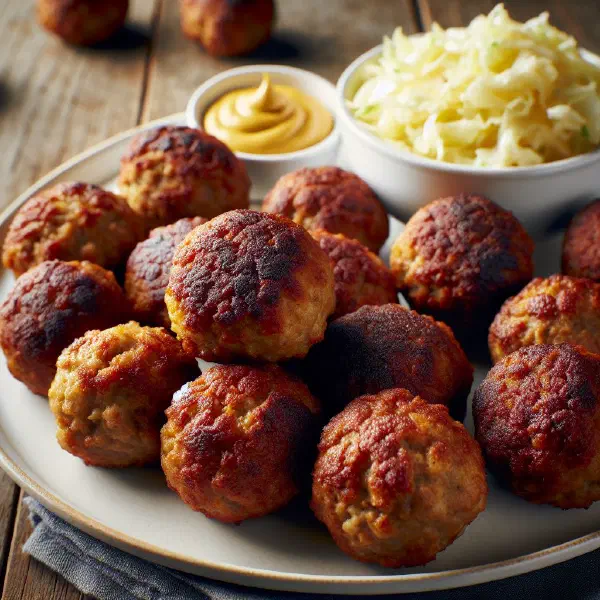
Presentation matters too if you want to give your guests a memorable meal. Serve the dumplings on a decorative plate and garnish them with fresh herbs or roasted onions. A helping of tangy sauerkraut on the side adds flavour and brings appealing colour to the dish, much like in a Sauerkraut and Potato Bake. A flavoursome sauce, such as a creamy mushroom sauce, is the perfect finishing touch.
A bit of history
Palatinate Liver Dumplings have their roots in German cooking and are an especially popular dish in the Palatinate. They were originally created out of necessity, as a way to use up leftovers. Cooking with offal is a long-standing tradition that speaks of a resourcefulness which has produced many special dishes, in the same spirit as the slow-cooked Saxon Pot Roast. To this day the liver dumplings remain hugely popular and are often served at celebrations and in family kitchens.
More recipe ideas
- Authentic Thuringian Dumplings
- Swabian Onion Roast Beef
- Pea Stew with Bacon
- Buttermilchsuppe mit Klößen
- Potato and Carrot Mash
Summary: Palatinate Liver Dumplings
Palatinate Liver Dumplings are an one-of-a-kind dish that brings together tradition and flavour. With simple but high-quality ingredients, you can put this delicious meal together with ease. There are plenty of ways to adapt the recipe. Give it a try and bring a slice of the Palatinate into your own kitchen.