National Dish Germany: Pancakes (Recipe)
In this article
Discover German pancakes, the wonderfully versatile classic known across the country as Eierkuchen or Pfannkuchen. Light, golden and faintly sweet, these thin pancakes belong to every time of day and please children and grown-ups alike. A simple batter of eggs, milk and flour is all it takes to win hearts and appetites in one go.
About Pancakes
Pancakes, also known as Eierkuchen, are a much-loved and endlessly adaptable dish in German cooking. Whether sweet or savoury, they suit any time of day and are equally popular with children and adults. The batter is made from just a handful of everyday ingredients, yet it lends itself to countless variations — a stack of warm pancakes can become a light supper, a hearty main course or an indulgent dessert depending on what you serve alongside.
Ingredients (serves 1–2)
- 2 eggs
- 125 ml milk
- 100 g flour
- 1 pinch of salt
- 2 tsp sugar (optional, for sweet pancakes)
- Butter or oil, for frying
Shopping for the ingredients
Most of the ingredients you need are kitchen staples that you probably already have to hand. If not, every one of them is easy to find in any supermarket. Choose fresh eggs and good-quality flour for the best results, and pick up a little extra butter. It makes all the difference when frying. This is one of those recipes where simple, reliable ingredients do all the work.
Preparing the dish
Before you begin, make sure all the ingredients are measured out and ready to go. Having everything to hand makes the cooking process far smoother and ensures nothing gets forgotten. Set out a mixing bowl and whisk, place your frying pan within easy reach, and warm a plate to keep the finished pancakes cosy while you work through the batter.
Step-by-step instructions
- In a bowl, whisk the eggs and milk together.
- Add the flour and the sugar (if using) and stir well until you have a smooth batter.
- Add a pinch of salt and give everything another good mix.
- Heat a frying pan over medium heat and add a little butter or oil.
- Pour in some batter and swirl to spread it evenly across the pan.
- Fry the pancake until golden brown on both sides.
- Slide the finished pancake onto a plate and cook the next one.
Gluten-free / lactose-free version
These pancakes are easy to make gluten-free and lactose-free. Simply swap the wheat flour for a gluten-free flour blend, which works beautifully in the batter. For a lactose-free version, use lactose-free milk or a plant-based milk such as soya or almond in place of regular milk. With these small changes, everyone at the table can enjoy a plate of warm pancakes.
Tips for vegans and vegetarians
The basic recipe is already vegetarian, and a vegan version is just as straightforward. Replace the eggs with a commercial egg substitute or a mixture of ground flaxseed and water, and use plant-based milk and plant-based butter instead of the dairy versions. The pancakes still turn out light and golden, so no one need miss out on this comforting classic.
More tips and tricks
To ring the changes, top your pancakes with fruit compote, chocolate spread, maple syrup, or savoury additions such as cheese and ham. Letting the batter rest for a few minutes before frying gives an even lighter texture, and keeping the heat steady helps every pancake brown evenly.
Adapting the recipe to your taste
This recipe is wonderfully versatile and easily tailored to personal preference. Stir a little vanilla extract, cinnamon or lemon zest into the batter for extra flavour, or keep things plain when you plan to serve a savoury filling. You can make the pancakes thin and delicate or a touch thicker for a more substantial bite, the choice is entirely yours.
Ingredient substitutions
If you fancy a change from wheat flour, spelt flour or wholemeal flour both work well and lend the pancakes a more rustic, nutty character. A splash of sparkling water in place of some of the milk gives an airier result, while a little extra egg makes for a richer batter. Substitutions like these let you adapt the recipe to what you have in the cupboard.
Drink pairing ideas
Sweet pancakes go beautifully with freshly squeezed orange juice, coffee or a herbal tea. Savoury versions are lovely with a glass of cold beer or a crisp white wine. A milky hot chocolate is another comforting match for a dessert plate, while a pot of strong tea suits a leisurely weekend brunch perfectly.
Serving and presentation ideas
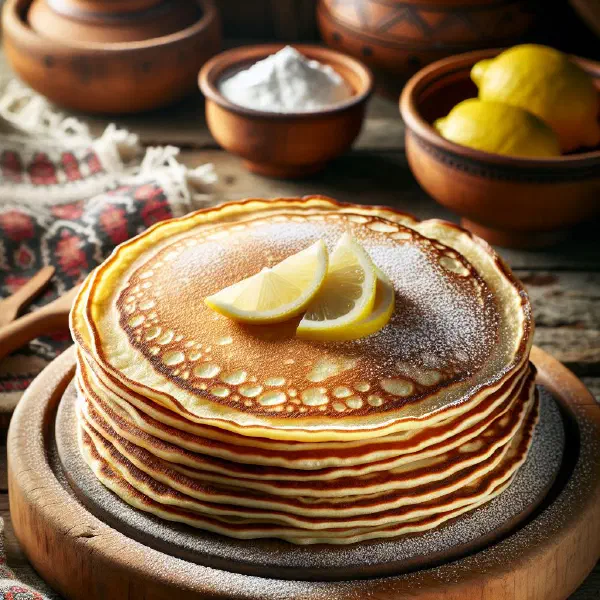
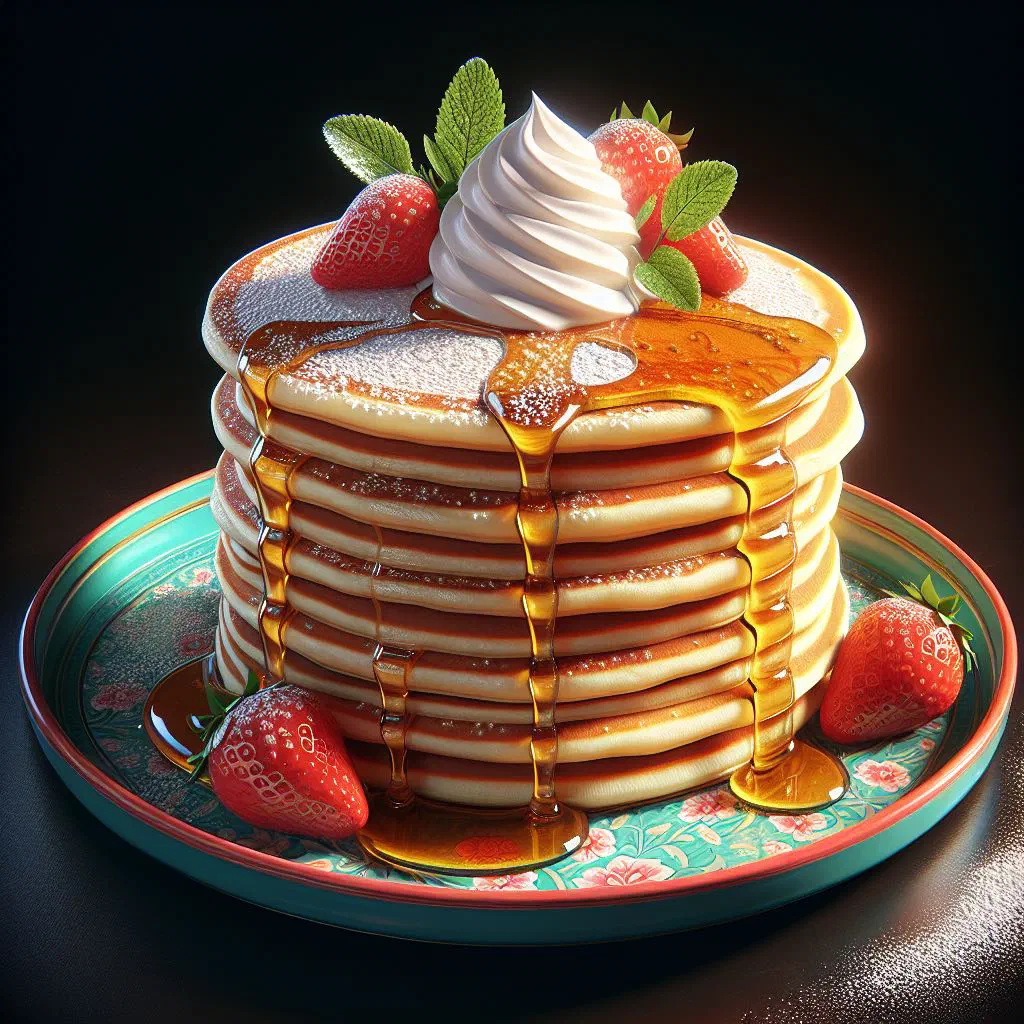
Arrange the pancakes on a pretty plate and garnish them with fresh fruit, a dollop of yoghurt or a sprig of mint. A dusting of icing sugar or cocoa also looks lovely and adds a finishing touch. For a savoury spread, roll or fold the pancakes around their filling and serve them with a small side salad for a meal that looks as inviting as it tastes, a fine example of German cuisine.
A bit of history
Pancakes have a long tradition in German cooking and are known under different names across the country’s many regions. In times gone by they were often regarded as food for ordinary folk, since they could be made from simple, inexpensive ingredients. Today they are enjoyed everywhere, from family kitchens to café menus, and they remain a cherished symbol of unfussy, satisfying home cooking. They sit comfortably alongside other regional favourites such as Eifel Potato Pancakes and Buckwheat Pancakes.
More recipe ideas
- Potato Pancakes with Apple Sauce
- Westphalian Pickert
- Saxon Egg Custard Cake
- Rice Pudding with Cinnamon
- Yeast Dumplings with Vanilla Sauce
Summary: Pancakes
Pancakes are a simple, versatile and thoroughly delicious dish that suits all manner of occasions. With just a few ingredients and a handful of easy steps, you can rustle up a tasty meal in no time. They invite you to play with flavours and fillings. Experiment with variations and enjoy your own homemade Eierkuchen. They are sure to become a household favourite.