National Dish Germany: Pea Purée (Recipe)
In this article
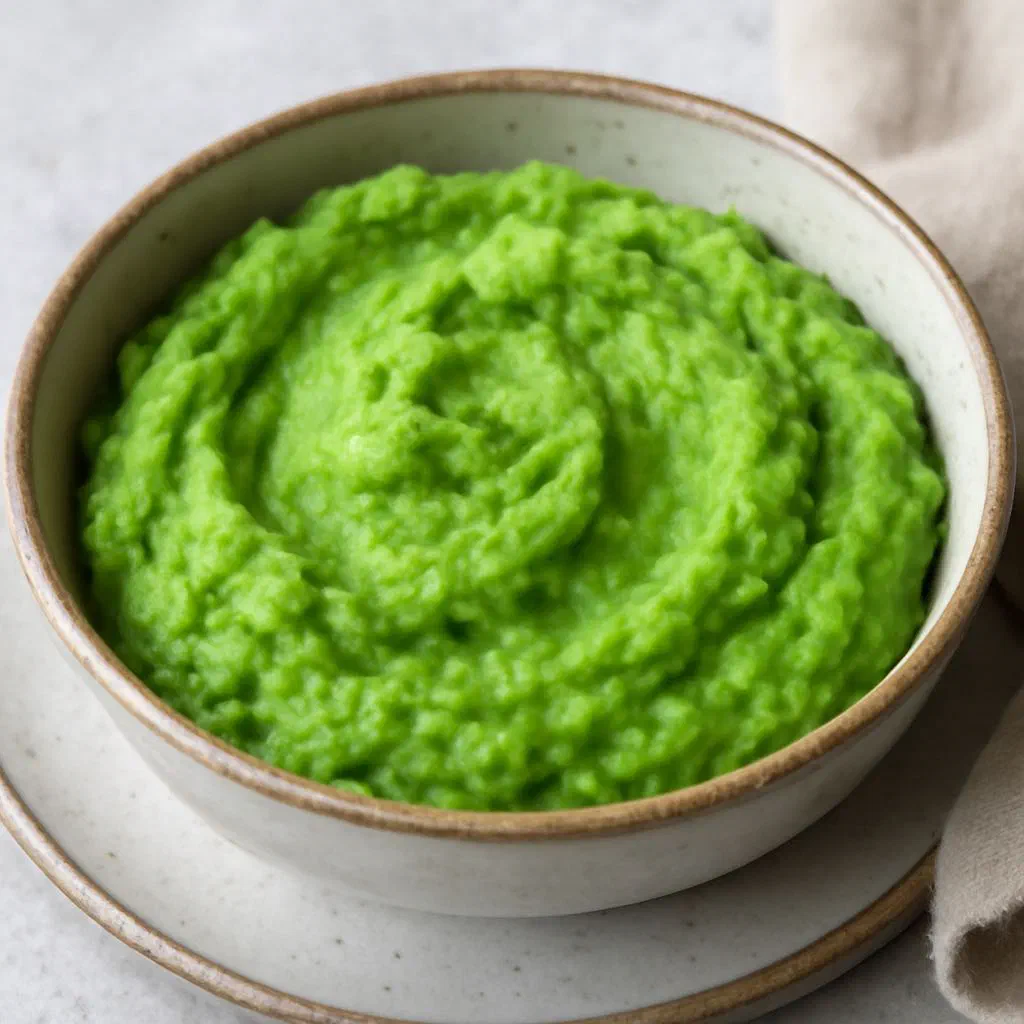
There is something deeply reassuring about a bowl of pea purée, a homely classic that traces its roots to the East German kitchen. With little more than dried peas, an onion and a handful of pantry seasonings, it turns out wonderfully creamy and full of savoury warmth. It was the kind of dependable, budget-friendly supper that filled the table on a cold evening, and it reheats beautifully the next day. Bring this nostalgic taste of old-fashioned home cooking straight to your own stove.
About Pea Purée
Pea purée is one of those dishes that rewards very little effort with a remarkably smooth, hearty result. In countless households it was a reliable everyday meal because it is filling, inexpensive and easy to reheat. The hallmark is the combination of a mild pea flavour, a creamy texture and a savoury edge, often coaxed out by onions, herbs or a little mustard. It is happily served with robust accompaniments such as sausages or sauerkraut, yet it also makes a comforting meal entirely on its own.
Ingredients (serves 1–2)
- 200 g dried split peas (or 300–350 g frozen peas for a quicker version)
- 1 small onion
- 1 small potato (for extra binding, optional)
- 600–700 ml water or vegetable stock
- 1 bay leaf (optional)
- 1–2 tablespoons butter or margarine
- Salt, pepper and a pinch of marjoram (the traditional seasoning)
- 1 teaspoon mustard (optional, for extra savour)
Shopping for the ingredients
For an authentic result it is well worth seeking out dried split peas, as they break down beautifully during cooking and naturally thicken the purée. When shopping, look for an even colour and undamaged peas, both signs of good quality and a consistent cooking time. If you are short on time, frozen peas make a handy alternative, though the texture tends to come out finer and the flavour a little fresher rather than earthy and savoury. Onions, potatoes and spices are available all year round, and a good vegetable stock can lend the purée more depth with very little effort.
Preparing the dish
If you are working with dried peas, soaking is not strictly necessary, but it can shorten the cooking time considerably and help the peas cook more evenly. Rinse the peas thoroughly until the water runs clearer, which removes loose starch and dust. Finely dice the onion so it distributes its flavour well later and does not dominate the purée in coarse chunks. A small potato, peeled and diced, adds extra creaminess and stability, which is handy if you plan to reheat the purée afterwards.
Step-by-step instructions
- Put the peas (soaked or simply rinsed) into a pan with water or stock and heat slowly.
- Add the diced onion and, if using, the diced potato, drop in the bay leaf and let everything simmer gently.
- For dried peas, cook at a gentle simmer for about 45–70 minutes, stirring now and then and topping up with liquid as needed.
- Remove the bay leaf, then mash with a potato masher or blend with a stick blender to your preferred consistency.
- Stir in the butter or margarine and season with salt, pepper, marjoram and, if you like, mustard.
- Let it stand for another 2–3 minutes so the seasoning melds, then serve piping hot.
Gluten-free / lactose-free version
The basic recipe is usually gluten-free, as long as you avoid gluten-containing extras and keep an eye on hidden ingredients in stock or spice blends. Shop-bought stock in particular is worth checking, since some products can contain wheat components or traces. For a lactose-free version, simply swap the butter for a lactose-free butter or a neutral plant-based margarine. If you want the purée extra creamy, use a little more potato in place of dairy, or stir in a splash of oat or soya cuisine (certified gluten-free where needed) at the end.
Tips for vegans and vegetarians
Pea purée is naturally vegetarian and just as easy to make vegan, as long as you stick to plant-based fats throughout. Many people like a savoury edge, which you can build up using smoked paprika, crispy fried onions or a touch of mustard. To replace the hearty character of classic accompaniments, fried mushrooms or crisply pan-fried smoked tofu pair very well. With ready-made seasonings, check that they contain no animal ingredients, as flavourings of animal origin can crop up especially in stocks.
More tips and tricks
A particularly good flavour develops if you sweat the onions briefly in a little fat first and only then add them to the peas, as this creates lovely roasted notes. Stir regularly during cooking, since peas tend to settle and can stick to the base of the pan, which spoils the texture and taste. A masher is fine for a rustic finish, while a stick blender is ideal for a smoother purée, and you can control the consistency beautifully with liquid. If the purée turns out too thin, a short uncovered reduction helps, as does a little extra potato, which thickens further as it warms.
Adapting the recipe to your taste
You can vary the seasoning freely without losing the dish’s signature character: marjoram is the classic choice, while caraway or thyme strike a slightly different but equally savoury note. If you like it bolder, add a little mustard or a pinch of smoked paprika, whereas a milder version with less pepper often suits children better. The consistency is just as easy to adjust, from thick and spoonable to creamy and soft, depending on how much liquid you add. As a filling extra, small amounts of oat cuisine or a splash of oil work alongside potato to make the purée especially smooth and rounded.
Ingredient substitutions
If you cannot get dried split peas, frozen peas or tinned peas make a quick fix, in which case you usually need less cooking time and tend to blend at the end. The potato is optional: leave it out and the purée becomes a touch lighter, though dried peas usually still bind well thanks to their natural starch. Onions can be swapped for the green part of a leek or a small pinch of asafoetida if you have an intolerance, while still achieving a savoury base note. Instead of butter you can use neutral rapeseed oil or vegan margarine, and plain water plus good spices works fine in place of stock if you prefer to keep the flavour pure.
Drink pairing ideas
A hearty pea purée pairs well with drinks that either bring freshness or round out its savoury notes. A mild beer or an alcohol-free malt drink is the classic match, supporting the hearty character without overpowering it. If you prefer something lighter, a sparkling mineral water with lemon or an unsweetened herbal tea is a good choice, as both cleanse the palate and make the meal feel less heavy. Cloudy apple spritzer also works nicely, its gentle sweetness offering a pleasant contrast to the earthy pea.
Serving and presentation ideas
Pea purée looks especially inviting when shaped into a quenelle with a spoon or set in a small hollow on the plate. A knob of margarine or butter on top adds a glossy sheen and brings an extra aromatic finish as it is served. For colour, finely chopped herbs such as parsley or chives lend the dish a fresh accent. If you serve accompaniments, place them deliberately alongside rather than on top, so the creamy texture stays visible and the plate looks neat.
A bit of history
Pea dishes have a long tradition in Germany, as pulses were once valued as an important source of protein and sustenance and kept well in storage. In the GDR the focus fell on simple, dependable ingredients that could be sourced regardless of season, which is why peas, onions and potatoes were used so often. The purée was especially popular because it gets by on just a few components yet still makes a robust, warming meal well suited to families. It also reheats wonderfully the next day, as a thicker side or the base for a soup, which suited the thrifty rhythm of everyday cooking, a thread that runs through much of German cuisine.
More recipe ideas
Summary: Pea Purée
Pea purée is an uncomplicated, nourishing dish that delivers a savoury, creamy flavour from just a few ingredients. Dried split peas give you a particularly smooth consistency, while frozen peas make for a quick everyday version. With small tweaks to the fat, stock and seasoning, the recipe is easily made gluten-free, lactose-free or vegan without losing its signature character. Anyone who cooks in advance will appreciate that the purée reheats well and often tastes even better the following day.