National Dish Germany: Pfefferpotthast (Recipe)
In this article
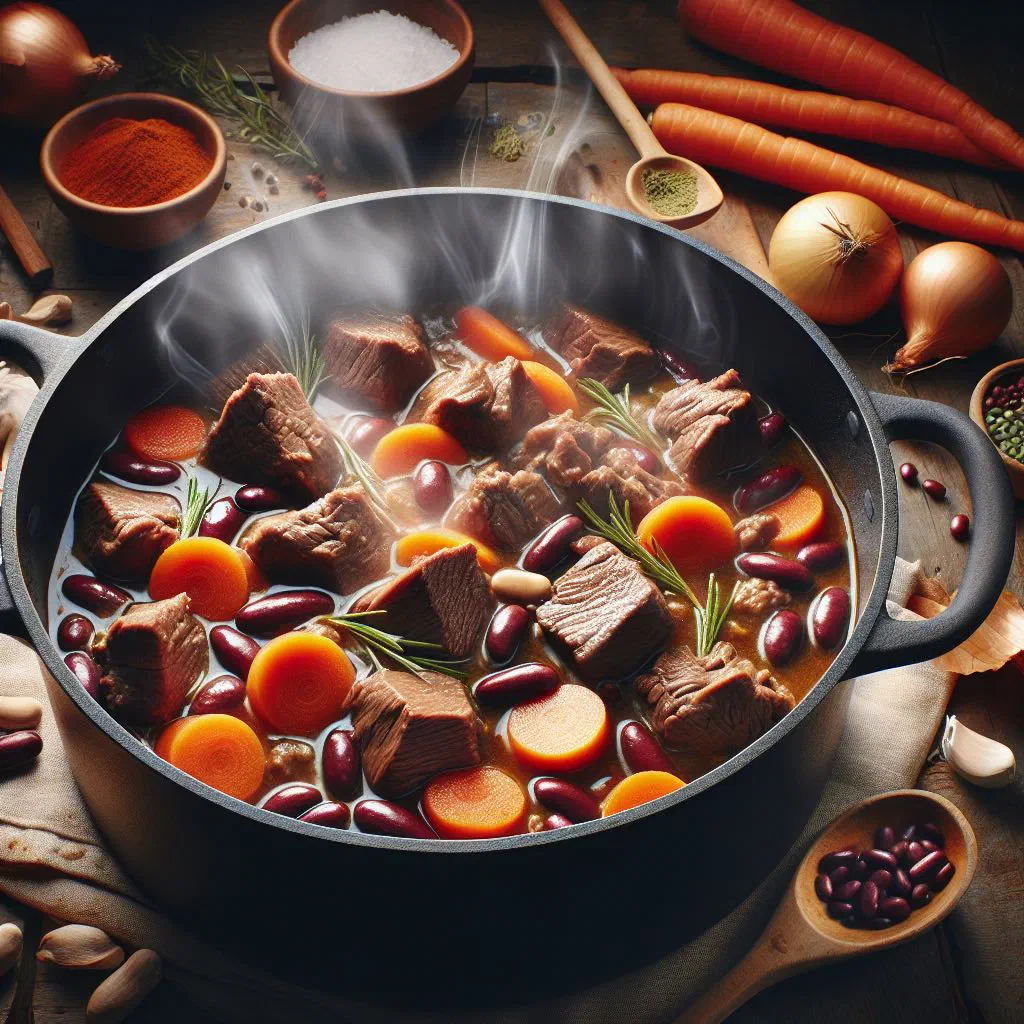
Discover Pfefferpotthast, a traditional Westphalian beef stew that has been warming German kitchens for centuries. This is honest, slow-cooked comfort food: tender chunks of beef simmered for hours with peppercorns, bay and root vegetables until everything turns meltingly soft and deeply savoury. Perfect for chilly days, it carries the unmistakable taste of home and proves that a handful of humble ingredients and a little patience can deliver a truly memorable meal.
About Pfefferpotthast
Pfefferpotthast is a traditional Westphalian dish that has been enjoyed for centuries. It is famous for its hearty, peppery character, which makes it especially popular during the colder months of the year. Beef is the star ingredient, cooked slowly over several hours to reach the perfect tenderness. The combination of meat, spices and a few supporting ingredients ensures that every bowl is a genuine culinary experience, much like the Saxon Pot Roast so beloved further east.
Ingredients (serves 1–2)
- 500g beef (e.g. braising beef or chuck)
- 2 onions
- 2 cloves of garlic
- 2 carrots
- 1–2 tablespoons whole peppercorns
- 500ml beef stock
- 2 bay leaves
- Salt and pepper
- 1 tablespoon oil
Shopping for the ingredients
For the perfect Pfefferpotthast, the quality of the ingredients makes all the difference. Buy fresh beef from a butcher you trust, and look for meat that is nicely marbled, as the fat keeps it juicy through the long cook. The fresh vegetables, onions, carrots and garlic, are equally important and give the dish its unmistakable depth of flavour. A good supermarket will have everything you need, though a local market often offers the best produce.
Preparing the dish
Before you start cooking, gather and prepare all your ingredients. Cut the beef into bite-sized pieces and dice the onions. Peel and finely chop the carrots and garlic. This mise en place makes the cooking process far easier and lets you work calmly and without stress, so nothing catches while you scramble to chop the next ingredient.
Step-by-step instructions
- Heat the oil in a large pot and sear the beef over high heat until well browned on all sides.
- Add the diced onions and cook until golden brown.
- Stir in the chopped garlic and carrots and fry everything for a further 2–3 minutes.
- Add the peppercorns and bay leaves and stir well to combine.
- Pour in the beef stock and let everything simmer gently over low heat for about 2 hours, until the meat is tender.
- Season to taste with salt and pepper and serve piping hot.
Gluten-free / lactose-free version
The traditional Pfefferpotthast recipe is naturally gluten-free, as it contains no wheat products. Do make sure, however, that the beef stock you use is also gluten-free, since some shop-bought varieties include thickeners. The dish contains no dairy at all, so no adjustments are needed for anyone who is lactose-intolerant. It suits these diets beautifully without changing a thing.
Tips for vegans and vegetarians
For a vegan or vegetarian version of Pfefferpotthast, you can replace the beef with tofu or seitan, both of which hold up well to the long cooking time. Swap the beef stock for a robust vegetable stock, and keep the remaining ingredients and spices exactly as they are to preserve that typical peppery flavour. The result is a hearty stew that any plant-based eater can enjoy.
More tips and tricks
A few insider tips can take your Pfefferpotthast to the next level. Let the dish rest for a few minutes after cooking so the flavours can develop fully. Fresh herbs such as thyme or rosemary work wonderfully for finishing, lending a fragrant lift. A splash of red wine added during the simmer brings extra aroma and depth, rounding out the savoury notes of the beef.
Adapting the recipe to your taste
The Pfefferpotthast recipe is easy to adapt to your own preferences. If you like things spicier, add more peppercorns or a little hot paprika. For a touch of natural sweetness, you can include root vegetables such as parsnips or sweet potatoes. Don’t be afraid to experiment with different ingredients to create your own perfect version of this classic stew.
Ingredient substitutions
If you don’t have some of the traditional ingredients to hand, there are good alternatives. Instead of beef you could use pork, which gives a slightly milder, sweeter result, the same swap that works well in a Pfannenschlag Pork Stew. The carrots can also be replaced with other root vegetables. Feel free to be creative and shape the dish to your own taste, or pair it with a slice of Westphalian Potthucke.
Drink pairing ideas
A hearty Pfefferpotthast goes especially well with a robust red wine such as a Merlot or a Cabernet Sauvignon. An amber-coloured bock beer also complements the flavours of the dish wonderfully, echoing the malty richness of the beef. For those who prefer to stay alcohol-free, a strong cloudy apple juice is an excellent choice that holds its own against the peppery seasoning.
Serving and presentation ideas
Presentation can heighten the pleasure of a good Pfefferpotthast. Serve the stew in a rustic bowl and garnish it with freshly chopped herbs such as parsley or chives. A crusty baguette or some baked potatoes make ideal side dishes for mopping up the sauce. Pay a little attention to the table setting, too, to round off the whole experience and do this homely classic justice.
A bit of history
Pfefferpotthast has a long tradition and originally comes from the Westphalian region of Germany. It was first mentioned as far back as the 14th century and was particularly popular among hunters. The name derives from the peppercorns used in the dish and from “Pott”, the Westphalian word for a large cooking pot. Historically the stew was served at great feasts and celebrations, a proud example of Germany’s regional cuisine that still endures today.
More recipe ideas
Summary: Pfefferpotthast
Pfefferpotthast is a traditional, hearty dish from Westphalia. With just a few ingredients and a long, gentle cook, humble beef is transformed into a delicate and deeply flavoured meal. The many ways to adapt it, along with a handful of clever tips, mean anyone can prepare this stew to suit their own taste. Give it a go and enjoy a genuine piece of Westphalian cooking, comfort in a bowl that never goes out of style.