National Dish Germany: Pickled Gherkins (Recipe)
In this article
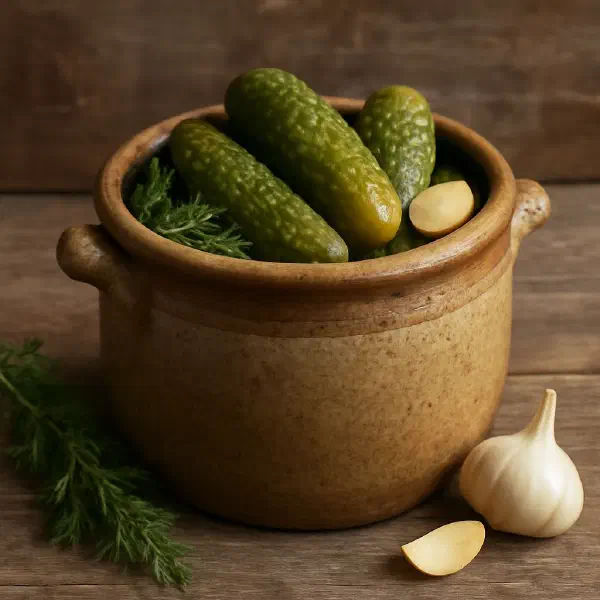
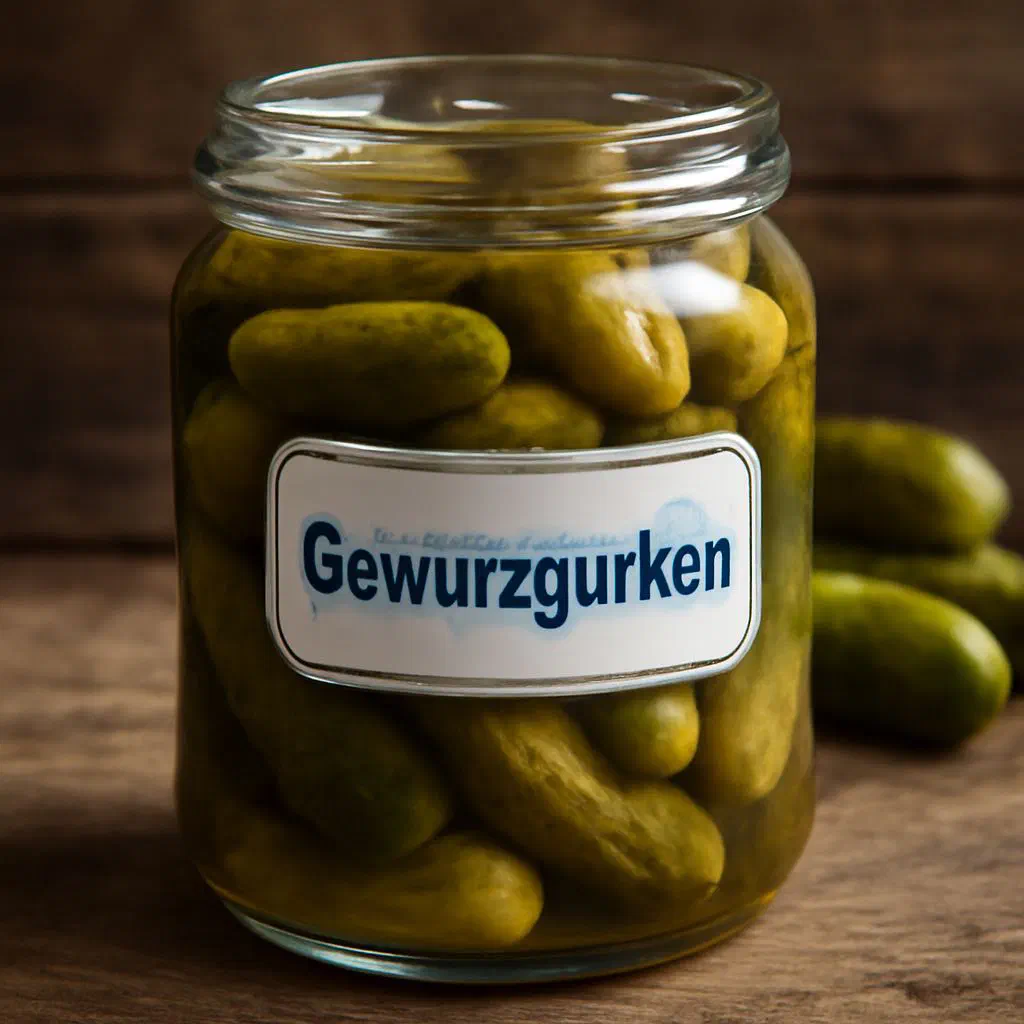
Few things capture the spirit of the German larder quite like a jar of pickled gherkins put up the old-fashioned way. This much-loved GDR-era recipe brings together a tangy vinegar brine, fragrant dill and the gentle warmth of mustard seeds, balanced with just enough sweetness to keep every gherkin satisfyingly crisp. Pickle a batch yourself and you can dial the flavour and the crunch in exactly as you like, ending up with a jar that earns its place in the pantry for weeks to come.
About Pickled Gherkins
Pickled gherkins are among the best-loved classics of German home preserving, and as a GDR recipe they remain a fond memory for many to this day. That unmistakable flavour comes from the combination of a sharp vinegar brine, dill, mustard seeds and a well-judged hint of sweetness that keeps the gherkins pleasantly crunchy. They slot easily into everyday life as a side for a cold supper, an accompaniment to warm dishes, or simply as a little snack straight from the jar. Pickle them yourself and you have complete control over taste and bite, and a result that keeps the pantry happy for a long time.
Ingredients (serves 1–2)
- 300–400 g pickling gherkins (small, firm and as fresh as possible)
- 150 ml water
- 150 ml table vinegar (5% acidity)
- 1–1.5 tbsp sugar (to taste)
- 1–1.5 tsp salt
- 1 tsp mustard seeds
- 4–6 peppercorns
- 1 small bay leaf
- 1–2 garlic cloves (optional)
- 1 small piece of horseradish or 1 tsp grated horseradish (optional, for extra heat)
- 1 small sprig of dill or 1 tsp dill (fresh or dried)
- 1 small onion (optional, cut into rings)
Shopping for the ingredients
When buying your gherkins, make sure they are firm with a smooth, undamaged skin, as this is what gives you that all-important crunch later on. Small pickling gherkins are especially good, since they take up the brine more evenly and look attractive in the jar. Vinegar with 5% acidity is a reliable standard, keeping the flavour classic without making the brine too aggressive. Spices such as mustard seeds, peppercorns and bay leaf are usually easy to find in the spice aisle, and fresh dill is well worth seeking out, especially in season.
Preparing the dish
Wash the gherkins thoroughly and trim the ends thinly, since they can harbour bitter notes and the texture there is sometimes softer. If you want to go fully traditional, soak the gherkins in cold water for 1–2 hours before pickling, which helps preserve their crisp bite. Jars and lids should be scrupulously clean; rinsing them briefly with hot water or boiling them is ideal, so the pickles stay stable for longer. Prepare the onion, garlic and horseradish in advance so that filling the jar goes quickly and the gherkins are not left exposed to the air for any longer than necessary.
Step-by-step instructions
- Clean a jar (about 500 ml) and its lid thoroughly and rinse with hot water.
- Wash the gherkins, trim the ends closely and, depending on size, leave them whole or halve them.
- Heat the water, vinegar, sugar and salt in a pan until the sugar and salt have fully dissolved.
- Add the mustard seeds, peppercorns, bay leaf and dill, plus the optional onion, garlic and horseradish, to the jar.
- Pack the gherkins tightly into the jar without crushing them, so they stay crunchy.
- Carefully pour in the hot brine to just below the rim, making sure everything is covered.
- Seal the jar at once and stand it upside down for 10 minutes, or briefly pasteurise it in a water bath instead.
- Leave to infuse for at least 24–48 hours; for full flavour, wait 5–7 days.
Gluten-free / lactose-free version
This recipe is naturally very well suited to anyone eating gluten-free and lactose-free, since it needs no flour-based products and no dairy at all. The only thing to watch is the ingredient list on spice blends or ready-made pickling aids, where anti-caking agents or flavourings can sometimes hide. Stick to plain vinegar, sugar, salt and individual spices and everything stays straightforward. Serving is just as easy: pair the gherkins with gluten-free bread alternatives or as a fresh side to potato dishes.
Tips for vegans and vegetarians
Pickled gherkins are a rewarding choice for vegan and vegetarian eaters, as they contain no animal products whatsoever. Just check that the sugar you use has not been refined with bone char if you follow a strict vegan diet; unrefined cane sugar or organic sugar is then a safe bet. For more depth, lean on horseradish or a little extra dill rather than more sweetness, which gives the flavour real character. They are a wonderful addition to vegan potato salads, sandwiches, or as a sharp contrast to hearty plant-based spreads.
More tips and tricks
The single most important factor for properly good pickled gherkins is temperature: the brine should go in hot so the spices release their aroma and the jar stays hygienic. At the same time, avoid boiling the gherkins for too long, as this turns them soft; they only need to cook through minimally in the hot brine. If you want extra crunch, a small piece of horseradish or a very fresh batch of gherkins helps, since older ones tend to lose water. After cooling, store the jars somewhere cool and dark, because light and warmth break down the aroma and can alter the colour.
Adapting the recipe to your taste
If you prefer things sweeter, increase the sugar gradually, since even half a tablespoon shifts the balance noticeably. For a sharper tang, reduce the water relative to the vinegar, but bear in mind that too much acidity quickly overpowers the spices. If you love it spicier, add allspice or a pinch of coriander seed without losing the dish’s typical character. The infusing time is another dial to play with: after two days the gherkins are fresh and light, while after one to two weeks they are noticeably rounder and more intense.
Ingredient substitutions
If you would rather not use table vinegar, cider vinegar is a mild alternative that brings a fruity note and pairs well with dill. You can swap the sugar for honey alternatives such as agave syrup, though the sweetness spreads differently and the brine may taste a touch softer. Dill can be replaced at a pinch with fennel fronds, which come close aromatically but lean a little more towards aniseed. Horseradish is optional, but if you want a substitute, a small piece of ginger delivers a different yet intriguing heat. The same spirit of clever swaps shines in Wine Sauerkraut, another preserved classic.
Drink pairing ideas
Pickled gherkins go best with drinks that balance the acidity or pick up the spice, such as a cool pilsner or a mild lager. If you prefer something non-alcoholic, sparkling mineral water is a fine choice, as it refreshes the palate and keeps the spice notes lively. Unsweetened herbal tea, peppermint or chamomile, say, is surprisingly harmonious too, since it does not amplify the acidity. For a cold supper, apple spritzer or a light malt drink also work well, underlining that sweet-and-sour balance.
Serving and presentation ideas
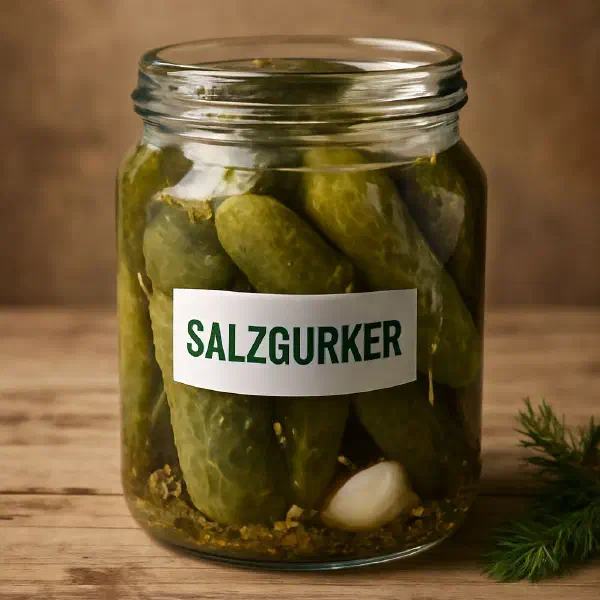
Gherkins look particularly appealing in the jar when you arrange sprigs of dill and onion rings visibly against the glass, which gives an instantly “homemade” impression. For a platter, slice them and drizzle over a little brine so they glisten rather than dry out. Pair them with dark bread, mustard and cheese or veggie alternatives for a well-rounded cold-supper spread. If you have guests, serve small skewers of gherkin, potato and a dab of horseradish cream, easy to do, yet still rather special.
A bit of history
Pickling gherkins has a long tradition in Germany, as it was a simple way to preserve a glut of the harvest. In the GDR, pickled cucumbers were a typical part of stocking the larder, since many households shopped seasonally and processed a great deal themselves. Characteristic of the style was a clear vinegar brine with spices such as mustard seed and dill, cheap, reliable and consistent in flavour. To this day, many people associate this taste with childhood, gardening, and the comforting sense that a well-stocked pantry is a small piece of everyday security. It is a thread that runs through much of German cuisine.
More recipe ideas
- Wine Sauerkraut
- Eggs in Mustard Sauce
- Frankfurt Green Herb Sauce
- Holstein Turnip Mash
- Bamberg Potato Salad
Summary: Pickled Gherkins
With this GDR recipe you can make pickled gherkins that win you over with balanced acidity, gentle sweetness and classic spicing. The keys are fresh, firm gherkins, clean jars and a brine poured in hot, so that both flavour and shelf life are spot on. After just a few days of infusing they develop their characteristic aroma and partner beautifully with cold suppers, warm dishes, or simply as a snack. Adjust the sweetness, acidity and spices to your liking and you end up with a jar that tastes exactly the way you love it best.