National Dish Germany: Plum Butter Cake (Recipe)
In this article
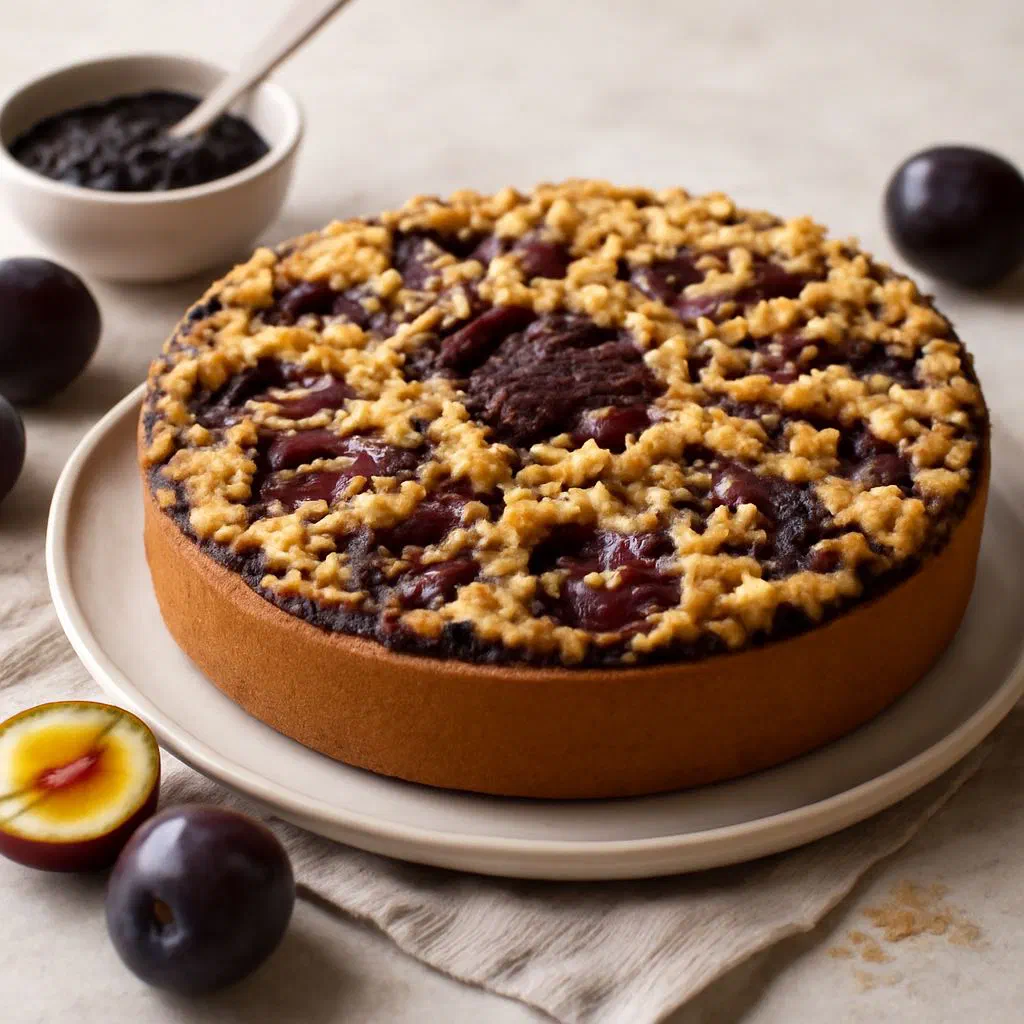
There is something wonderfully nostalgic about an East German plum butter cake, the kind of bake that brings back memories of childhood and lazy Sunday afternoons over coffee. A simple, buttery base meets a generous layer of dark, fruity plum butter that turns gently caramelised in the oven. It needs no fancy techniques, comes together in minutes and stays beautifully moist for days, making it a perfect everyday treat to bake and share.
About Plum Butter Cake
Plum Butter Cake, an old GDR-era classic, is a humble tray bake that tastes of childhood, Sunday coffee and honest home cooking. The charm lies in the contrast between a simple, buttery dough and a hearty layer of plum butter that becomes pleasantly caramelised as it bakes. Because the recipe calls for no complicated steps, it works reliably even for first-time bakers and is ideal when you are short on time. It also keeps well, staying moist for several days, which makes it a brilliant choice for taking along to gatherings.
Ingredients (serves 1–2)
- Flour (about 120 g)
- Butter or margarine (about 60 g, softened)
- Sugar (about 40 g)
- 1 egg (medium)
- 1 tsp baking powder
- 1 pinch of salt
- Plum butter (about 150–200 g, depending on how thick you like it)
- Optional: 1 tsp cinnamon or vanilla sugar
The quantities are deliberately small so you can bake the cake in a little tin, such as a loaf tin, a small baking dish or a mini tray. An aromatic plum butter matters most here, as it provides the main flavour and that signature dark, fruity note. If your plum butter is already very sweet, you can hold back a little on the sugar in the dough so the result is not cloying. A touch of optional cinnamon works beautifully, as it lifts the plum flavour and makes this GDR favourite feel even warmer.
Shopping for the ingredients
When shopping, it pays to look closely at the plum butter: a spread with a high fruit content tastes more intense and brings real depth to the cake. Check whether you are buying genuine plum butter or plum jam, since jam is often more set and sweeter, which can change the texture. An ordinary wheat flour is fine for the dough, but if you fancy a more rustic note you can swap part of it for spelt. Butter gives the best aroma, though margarine also works well and is often the easy choice when the cake is a spur-of-the-moment idea.
Preparing the dish
Before you begin, choose your tin carefully, as a small tin is essential for these modest quantities so the cake does not turn out too flat. Preheat the oven in good time so the dough bakes in even heat and rises nicely. Line the tin with baking paper or grease it thoroughly so the cake releases cleanly later on. Weigh out and lay out all your ingredients in advance, as a quick, briskly mixed dough usually gives the best texture.
Step-by-step instructions
- Preheat the oven to 180°C (top and bottom heat), or 160°C fan, and grease or line a small tin with baking paper.
- Cream the softened butter with the sugar and a pinch of salt, then beat in the egg.
- Mix the flour with the baking powder and stir it in briefly until you have a smooth, spreadable dough.
- Spoon the dough into the tin and spread it out evenly, smoothing the top with the back of a spoon if needed.
- Spread the plum butter over the top and smooth it gently, without working it too much into the dough.
- Optionally dust with cinnamon and bake for about 25–35 minutes (depending on the depth of the tin) until the edges are golden.
- Let it cool a little, lift it from the tin, then rest it for at least 10–15 minutes before slicing so the layer firms up.
The baking time depends very much on how deep the cake sits in your tin, so it is worth a quick check towards the end. The edges should take on visible colour while the plum butter layer stays darker and turns slightly glossy. If you cut the cake too soon, the layer can still be very soft, which is delicious but gives less tidy slices. Once cooled, plum butter cake often tastes even better, as the dough and fruit come together more fully in flavour.
Gluten-free / lactose-free version
For a gluten-free version, you can replace the wheat flour with a gluten-free baking blend, ideally one already suited to cakes. Make sure the baking powder is also labelled gluten-free if you need to be especially strict. The cake turns out lactose-free if you use lactose-free butter or switch to a plant-based alternative that creams well. It is worth checking the ingredient list on the plum butter too, as some products contain additives or flavourings you may prefer to avoid.
Tips for vegans and vegetarians
The cake is vegetarian as it stands, but it becomes vegan with just a few tweaks: replace the butter with plant-based margarine or a vegan baking fat that whips up well. You can swap the egg for a flax “egg” (ground flaxseed mixed with water) so the dough still binds and does not crumble. Check that your plum butter contains no animal-derived additives, which is rare but can occur in some speciality products. The flavour stays very close to the original, since the plum butter remains the star of the show.
More tips and tricks
If you want a particularly aromatic result, stir a small pinch of cinnamon or a little vanilla straight into the dough, not just over the spread on top. For more bite, you can scatter a thin layer of chopped nuts, such as hazelnuts, between the dough and the plum butter, if you like. A common mistake is too much spread at once: applied too thickly it can bubble at the edges and overflow, so spread it evenly and in moderation. It is best to slice the cake with a slightly dampened knife so the plum butter layer stays neat.
Adapting the recipe to your taste
You can adjust this cake easily by making the dough thicker or thinner, depending on whether you prefer it more cake-like or more fruity. If you like it less sweet, reduce the sugar in the dough and choose a plum butter without heavy sweetening so the flavour comes through more naturally. For an autumnal twist, a very small amount of gingerbread spice suits it well, as it supports the plum without overpowering it. If you want it especially moist, let the cake rest after baking and slice it later, as the moisture spreads more evenly. The same gentle, fruit-forward spirit runs through a Silesian Streusel Cake.
Ingredient substitutions
If you have no plum butter, you can use damson butter as a substitute, which is very similar in flavour and usually bakes just as well. At a pinch, apple sauce works too, though the cake then turns out distinctly milder and less dark in flavour, so a hint of cinnamon is especially welcome. Instead of butter you can use more neutral fats, though butter generally gives the best aroma and the loveliest crumb. Spelt can be a good alternative to wheat flour, but take care not to overwork the dough so it stays tender. For another fruit-led idea, a Rhubarb Cake offers a tangier seasonal alternative.
Drink pairing ideas
Classic hot drinks pair particularly well with plum butter cake, as they balance the fruity sweetness and bring out the spice notes. A black coffee or a strong filter coffee is ideal if you like it traditional and would rather not over-sweeten the cake. If you prefer tea, go for black tea or a mild fruit tea, with black tea showing off the caramel notes more beautifully. For an alcohol-free alternative, a sparkling apple drink works nicely, as its acidity gives the spread a fresh edge.
Serving and presentation ideas
Even a simple cake can look festive if you portion it neatly and add small touches that match the flavour. Dust the slices sparingly with icing sugar, but only once the surface has cooled properly so the sugar does not melt straight away. A dollop of whipped cream or a lactose-free alternative makes the whole thing creamier and harmonises wonderfully with the dense plum layer. Serve the cake on a plain plate and add a few thin plum slices or toasted nuts to add structure and colour.
A bit of history
Recipes like plum butter cake are closely tied to a kitchen tradition built on keeping a well-stocked larder and relying on dependable ingredients. Plum butter was a typical pantry staple in many places, keeping for a long time and so ideal for baking all year round. In times when people wanted to coax plenty of flavour from simple means, cakes like this were popular because they needed no exotic ingredients yet still tasted of something. To this day the cake is fondly baked, as it is uncomplicated, easy to share and instantly familiar thanks to its bold fruit aroma, a comforting corner of German cuisine.
More recipe ideas
Summary: Plum Butter Cake
Plum Butter Cake wins you over with few ingredients, simple preparation and an intense, fruity flavour. With an aromatic plum butter and a quickly mixed dough, you get a cake that tastes superb both freshly baked and the next day. Thanks to small adjustments it is also easy to make gluten-free, lactose-free or vegan without losing its character. If you are after a dependable classic that comes together with no fuss yet still feels special, this recipe is an excellent choice.