National Dish Germany: Plum Butter (Recipe)
In this article
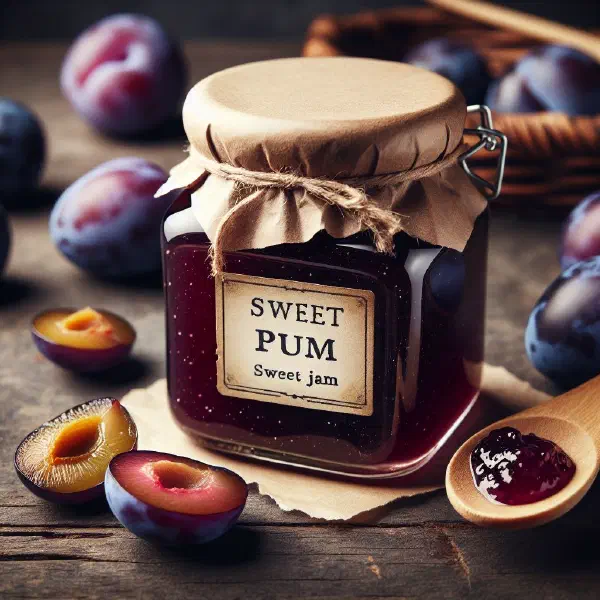
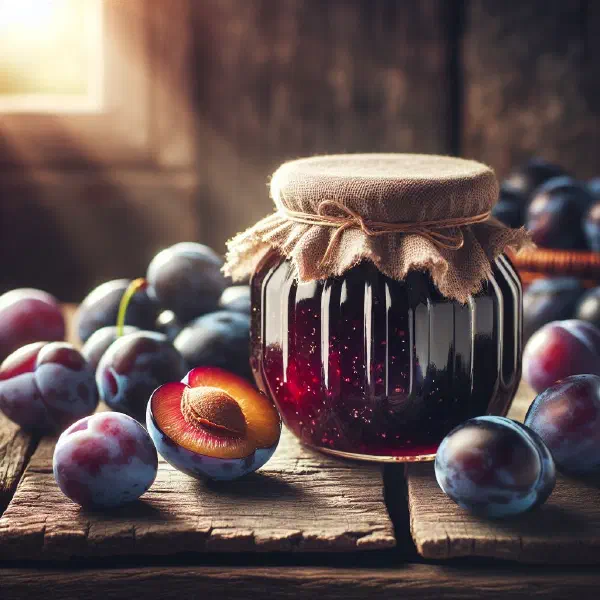
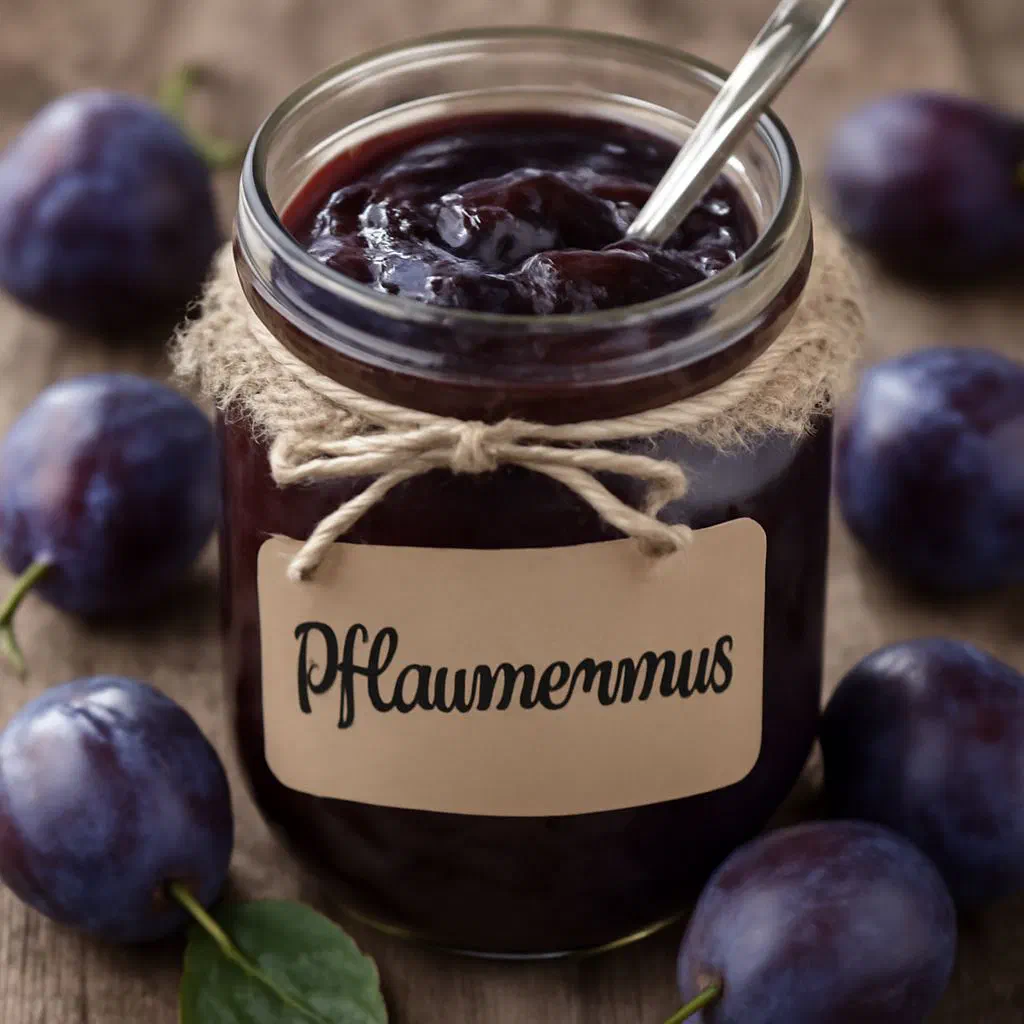
Few preserves capture the comfort of a German autumn quite like plum butter, a timeless classic that filled the pantries of countless GDR households. Slowly simmered until dark, glossy and very thick, it carries an intense plum flavour that lifts everything from a humble slice of bread to a showstopping dessert. Best of all, this old-fashioned spread keeps beautifully, making it the perfect way to capture the harvest and enjoy it long into the winter months.
About Plum Butter
Plum butter is one of the timeless classics of German cuisine and was a fixture in the larders of many GDR homes. What sets it apart is its intense plum flavour, its deep, dark colour and the thick, silky consistency that comes from long, gentle simmering. The spread is far more than a topping for bread: used thoughtfully, it enriches desserts, bakes and even savoury dishes. Best of all, when made properly it keeps remarkably well, making it ideal for building up a store cupboard.
Ingredients (serves 1–2)
- 500 g plums (ripe, stoned; or use damsons)
- 50–80 g sugar (depending on the sweetness of the fruit and your taste)
- 1 tsp lemon juice (for freshness and better setting)
- 1 pinch of cinnamon (optional, for classic warmth)
- 1 tbsp water (only to start things off, if the plums are very dry)
Shopping for the ingredients
The success of any plum butter rests on ripe, fragrant plums, since they bring both sweetness and depth without the need for much sugar. Look for fruit that gives slightly under gentle pressure but shows no bruises or mould, as these affect both flavour and shelf life. Damsons are an especially good choice because they hold less water and therefore cook down to a thick consistency more quickly. Shopping in season, from late summer into early autumn, usually rewards you with the finest aroma and often the best price too.
Preparing the dish
Wash the plums thoroughly and remove the stalks along with any damaged patches, so the finished butter is clean and well rounded in flavour. Halve the fruit and stone it; with very large plums you can quarter them as well, so they cook more evenly. If you prefer a particularly smooth texture, you can purée the plums later or pass them through a sieve, though a slightly chunky butter is often felt to be the more traditional option. Just as important is the right pan: a wide, heavy-based pan reduces the risk of catching and ensures even cooking.
Step-by-step instructions
- Put the plums into a pan with the sugar, lemon juice and, if using, the cinnamon, and mix well.
- Warm everything slowly over a medium heat; add 1 tbsp water if needed so nothing catches.
- Once it comes to a gentle simmer, lower the heat and let the butter reduce gently for 30–45 minutes, stirring regularly.
- For a finer consistency, purée to taste; for more depth, let it bubble away for another 5–10 minutes.
- Check the seasoning and adjust the sugar or cinnamon if needed, then leave to cool briefly before serving.
Gluten-free / lactose-free version
This plum butter is naturally gluten-free and lactose-free, as it is made entirely from fruit and a handful of basic ingredients. If you are very sensitive or need to be strict, simply check that any extras such as cinnamon or sugar carry no unexpected trace warnings. The accompaniment is what makes the difference at the table: classic bread should be swapped for gluten-free bread, and quark or yogurt for lactose-free alternatives. That way the pleasure stays simple, with no real changes needed to the recipe itself.
Tips for vegans and vegetarians
Plum butter is already vegan and vegetarian at its core, which makes it a wonderfully everyday recipe. If you want to serve it as a dessert, it pairs beautifully with plant-based yogurt, plant-based semolina pudding or as a topping for porridge. With any add-ons such as waffles or pancakes, take care that these are made without egg or milk if you want to keep things strictly vegan. A pinch of cinnamon or a little vanilla can also lend a dessert-like note without the need for any animal products.
More tips and tricks
The single most important thing when cooking down plum butter is patience, because the signature thickness comes from slow reduction rather than fierce heat. Stir regularly and, especially towards the end, watch that nothing catches on the base of the pan, as this can quickly turn bitter. If you prefer a very smooth butter, purée it only at the very end, so there are fewer splatters and you keep better control of the consistency. A simple test helps: drop a spoonful onto a cold plate, and if it holds firm after a moment, the butter is ready to serve.
Adapting the recipe to your taste
You can steer the sweetness very flexibly by reducing the sugar or replacing it with other sweeteners, in which case the fruit flavour comes more to the fore. For a spicier version, clove, vanilla or a tiny pinch of cardamom add depth without masking the plum. If you like it fruitier, simmer the butter a little less so it stays juicier and works well as a dessert sauce. For an especially dark, robust result, cook it longer and use very ripe plums. That way the flavour turns caramel-like and intense.
Ingredient substitutions
If you would rather not use ordinary household sugar, you can work with unrefined cane sugar, which lends a faintly malty note. Apple juice concentrate can also serve as a sweetener, though you should then keep an eye on the liquid so the butter does not turn too thin. Lemon juice can be replaced with lime juice, which brings a slightly fresher, more exotic acidity. If plums are not available, damsons work very well too, the key is fruit that is aromatic rather than watery, much as you would choose for a good Elderflower Jelly.
Drink pairing ideas
Plum butter goes especially well with warm drinks, as they bring out its spiced, fruity notes. A black tea or a mild herbal tea harmonises with the natural sweetness and feels pleasantly balancing. If you are serving the butter with a dessert, coffee or a cappuccino also suits it nicely, since roasted aromas and plum are a classic match. For an alcohol-free option with more fruit, cloudy apple juice or a light grape juice both work without overpowering the flavour.
Serving and presentation ideas
Plum butter looks especially appetising served in a small dish and finished with a pinch of cinnamon or a few fine slices of fresh plum. On bread or a roll, a thin, even layer works best. Not spread too thickly, so the texture stays pleasant. As a dessert you can layer it with yogurt or semolina pudding in a glass, creating a lovely interplay of colour between light and dark. Give the butter a quick stir before serving so it looks silky and is easy to portion.
A bit of history
Plum butter has a long tradition in Germany, because plums grow well in many regions and lend themselves beautifully to preserving by boiling down. In the GDR, bottling and preserving played an important part in everyday life, where stockpiling food was both practical and widespread. Many families used the harvest season to put up fruit in jars and keep it available right through the winter. Plum butter was a particular favourite, since it calls for few ingredients, is endlessly versatile and develops an intense, deep flavour through its long cooking. It sits comfortably among traditional German preserves such as Apple Red Cabbage and the hearty bakes of the country’s regional kitchens.
More recipe ideas
- Rice Pudding with Cinnamon
- Potato Pancakes with Apple Sauce
- Hamburg Red Berry Pudding
- Rhubarb Cake
- Yeast Dumplings with Vanilla Sauce
Summary: Plum Butter
Plum butter is a fuss-free, aromatic spread that calls for only a few ingredients and owes its signature dense consistency to slow simmering. With ripe plums, a little sugar and a squeeze of lemon, you can make a butter that is just as good eaten on its own as it is with bread, bakes or desserts. Small adjustments to the sweetness and spices let you tune the flavour to your own taste without losing its character. The result is a recipe steeped in tradition and full of versatility. Every bit as satisfying for an everyday breakfast as it is as a special accompaniment.