National Dish Germany: Plum Cake (Recipe)
In this article
There are few things more comforting than a slice of warm German plum cake when the autumn air turns crisp. This much-loved seasonal bake brings together juicy damson plums, a tender base and a gentle whisper of cinnamon, filling the whole kitchen with a fragrance that signals the start of harvest time. For generations of German families it has been the centrepiece of the afternoon coffee table, humble, fruity and impossible to resist.
About Plum Cake
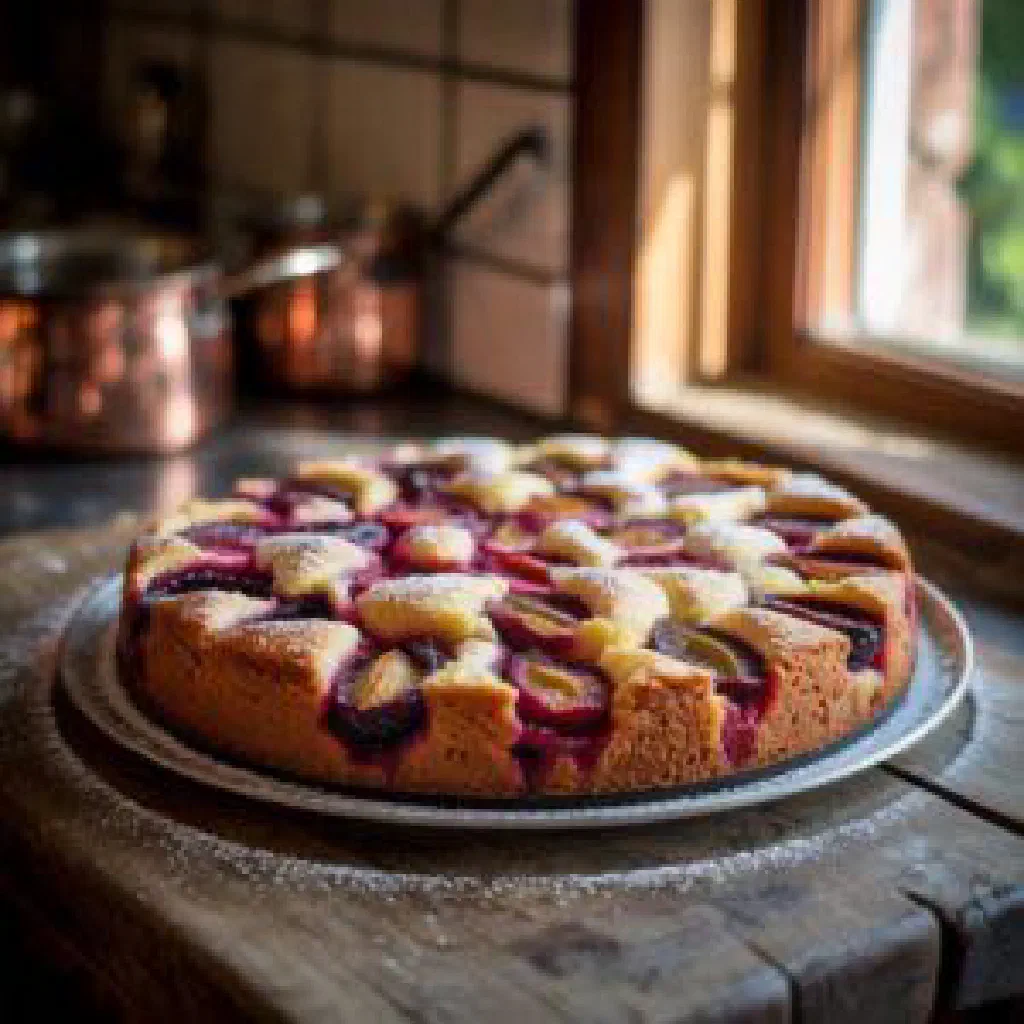
Plum cake is a treasured part of German baking, especially in autumn when the damson harvest is at its peak. At its heart lies a simple, tender base topped with rows of ripe damson plums and finished with a touch of cinnamon and sugar. The combination of sweet, slightly tart fruit and soft pastry makes for a deeply satisfying bake that carries real emotional weight — the smell of it fresh from the oven is, for many, the very scent of home. Enjoyed warm or at room temperature, it turns an ordinary afternoon into something to look forward to.
Ingredients (serves 1–2)
- 250 g plain flour
- 125 g butter
- 80 g sugar
- 1 egg
- 500 g fresh damson plums
- 1 tsp cinnamon
- 1 tsp baking powder
- A pinch of salt
Shopping for the ingredients
The ingredients for plum cake are easy to find in any well-stocked supermarket. When choosing your damson plums, look for fruit that is ripe but still firm, as this gives the best texture and flavour once baked. Fresh produce makes all the difference to the finished cake. Pay attention to the butter too, opting for an unsalted, good-quality variety to keep the base rich and tender.
Preparing the dish
Begin by preparing the plums, wash them, remove the stones and cut them into quarters so they cook evenly and look attractive on top. While you are at it, measure out all the remaining ingredients and have them ready to hand. A tidy, well-organised work surface lets the whole process come together calmly and without fuss.
Step-by-step instructions
- Preheat the oven to 180°C and grease a baking tin.
- Combine the flour, baking powder, sugar, cinnamon and salt in a bowl.
- Add the softened butter and the egg, then knead everything into a smooth dough.
- Press the dough evenly into the tin, forming a small raised edge.
- Arrange the prepared damson plums over the base and scatter a little sugar on top.
- Bake the cake for 35–40 minutes, or until golden brown.
- Once baked, let the cake cool briefly and serve warm or at room temperature.
Gluten-free / lactose-free version
Anyone avoiding gluten or lactose can still enjoy this plum cake with a few easy swaps. Use a blend of gluten-free flour or ground almonds in place of wheat flour to achieve a similar texture. The butter can be replaced with a plant-based oil or margarine for a lactose-free result. With these adjustments the cake keeps all of its lovely flavour. Ideal for anyone who needs to keep an eye on their diet. Those who enjoy fruit-forward bakes might also like our Rhubarb Cake.
Tips for vegans and vegetarians
To make plum cake vegan, simply leave out the egg and use an egg replacer or a mixture of ground psyllium husk and water instead. These alternatives help bind the dough and keep the crumb soft. Be sure to reach for plant-based butter or coconut oil in place of dairy butter. The result is every bit as moist and flavourful, making it a perfect treat for those following a plant-based diet.
More tips and tricks
To take the flavour of your plum cake even further, try folding ground nuts or a little chocolate into the base. These additions bring extra aroma and an interesting texture to the bake. For a deeper, spicier note, add a pinch of nutmeg, which works beautifully alongside the damson plums. Don’t be afraid to experiment and find your own signature take on this traditional recipe.
Adapting the recipe to your taste
Everyone has their own idea of the perfect pudding, so this recipe is easy to tailor to suit you. Prefer things sweeter? Add a little more sugar or a drizzle of honey. Fancy a fruitier result? Combine the damsons with other fruit such as apples or pears. With small tweaks like these, plum cake becomes a personalised highlight that everyone at the table will love. It sits happily on a spread alongside something creamy like Bavarian Cream.
Ingredient substitutions
Sometimes you may need to swap an ingredient, and that is perfectly simple here. Raw cane sugar, for instance, can stand in for ordinary sugar to give a different sweetness and a darker colour. Choosing spelt flour instead of wheat flour is another option that makes for a slightly more wholesome bake. Substitutions like these not only introduce new flavours but can also make the cake a little more nutritious.
Drink pairing ideas
Plum cake pairs wonderfully with a range of drinks. A good coffee or a fragrant cup of black tea brings out its flavours and makes for a lovely afternoon gathering. A glass of fresh apple cider or a lightly sparkling fizzy water is another excellent choice to accompany each slice. These pairings round off the experience and let the cake shine. For something more local, a cup of East Frisian tea makes a memorable match.
Serving and presentation ideas
To make your plum cake even more inviting, dust it with icing sugar before serving or garnish it with a sprig of fresh mint. An attractive cake stand and well-chosen crockery add to the overall effect. You might also plate individual portions on pretty dessert plates to give your guests a real visual treat. Little touches like these make a big difference and turn any coffee table into something special.
A bit of history
Plum cake has a long tradition in Germany and is especially beloved in autumn, when the damson season begins. Different regions have their own versions, often experimenting with assorted spices and toppings. In many German families the recipe is treated as a kind of heirloom, passed down from one generation to the next. This culinary tradition is more than a sign of attachment to home. It is an expression of creative, shared enjoyment that runs right through German cuisine.
More recipe ideas
Summary: Plum Cake
German plum cake wins everyone over with its fruity sweetness and the marriage of tender base and aromatic spice. Easy to make, it can be varied endlessly and adapted to personal taste. This cake remains a firm favourite. Bake yourself a little piece of home and savour the wonderful flavours of autumn.