National Dish Germany: Pomeranian Goose Leg (Recipe)
In this article
Meet Pomeranian Goose Leg, a treasured roast from the north-eastern reaches of Germany that turns any winter gathering into a feast. Tender goose leg is slow-roasted with apples, onion and warming spices until the meat falls from the bone and the skin crisps to a deep gold. Served with ruby-red cabbage and golden potatoes, it is the kind of hearty, celebratory dish that has graced German festive tables for generations. Bring a little Pomeranian tradition into your own kitchen.
About Pomeranian Goose Leg
Pomeranian Goose Leg is a culinary masterpiece that appears through the cold months and at festive occasions throughout the year. This tender dish wins people over with its deep, savoury flavour and the marriage of succulent goose meat and aromatic spices. The preparation follows the traditional regional style, which guarantees that every aroma comes through at its very best. Let the German cuisine of the north work its magic and taste the love of quality ingredients in every single bite.
Ingredients (serves 1–2)
- 2 goose legs
- 2 apples
- 1 onion
- 1 tsp caraway seeds
- 1 tsp thyme
- 300 ml goose stock
- Salt and pepper, to taste
- 700 g potatoes
- 400 g red cabbage
Shopping for the ingredients
When shopping for the ingredients for Pomeranian Goose Leg, it pays to look for high-quality produce, especially when it comes to the goose legs themselves. Make sure the legs are fresh and of good quality so you get the very best eating experience. Local markets are an excellent place to track down fresh, regional ingredients, and you will often find helpful tips from experienced stallholders who can point you towards the best products on offer.
Preparing the dish
The preparation of Pomeranian Goose Leg is crucial for the flavour the finished dish will have. Begin by rinsing the goose legs well and then patting them dry with a piece of kitchen paper. Next, distribute the spices, such as caraway and thyme, evenly across the legs. To round out the dish, it is a good idea to slice the apples and onions thinly and set them aside, ready to be added to the goose later on.
Step-by-step instructions
- Preheat the oven to 180 °C.
- Place the goose legs in a roasting tin and season with salt, pepper, caraway and thyme.
- Scatter the onion and apples around the legs in the tin.
- Add the goose stock and put the tin in the oven for about 1.5 hours.
- Meanwhile, peel and boil the potatoes, then fry them off until crisp.
- Prepare the red cabbage according to your preferred recipe.
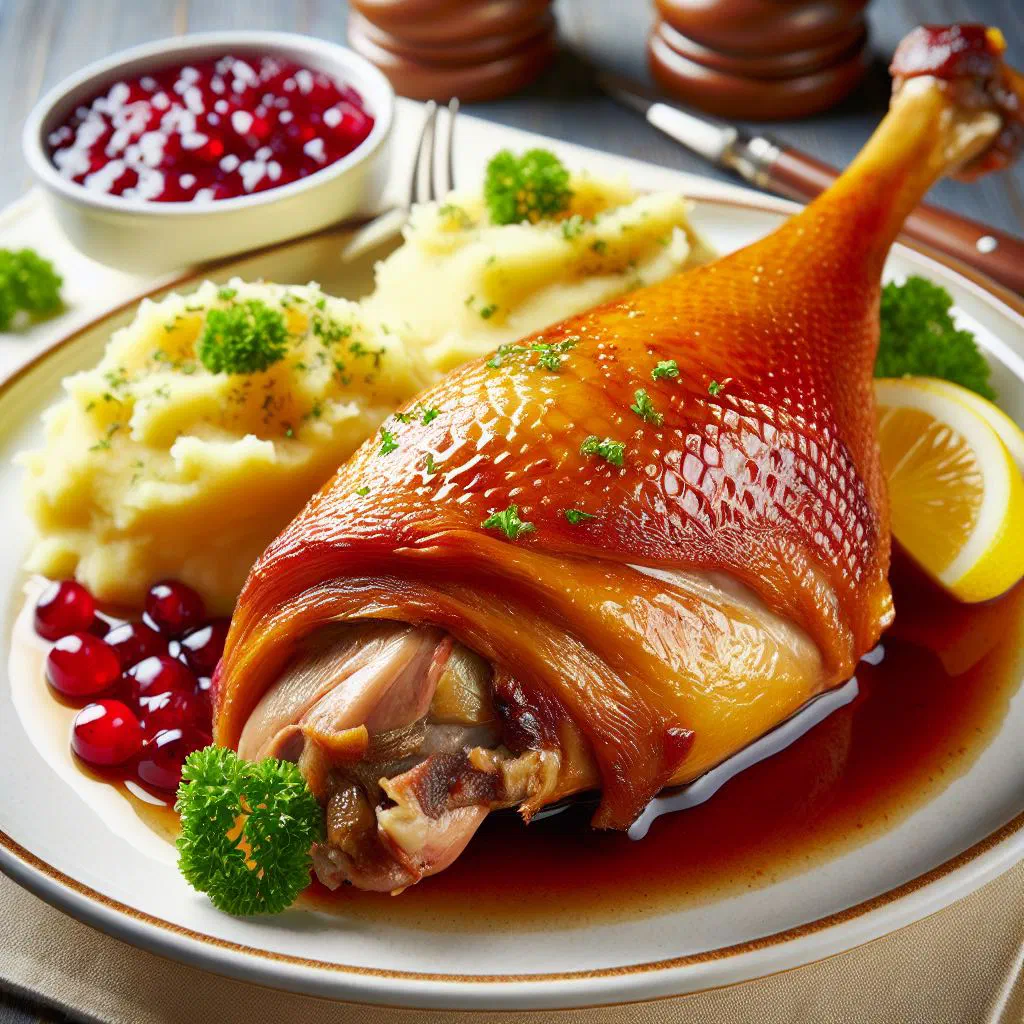
- Once the cooking time is up, serve the goose legs arranged with the potatoes and red cabbage.
Gluten-free / lactose-free version
The preparation of Pomeranian Goose Leg is naturally gluten-free and lactose-free, which makes it a suitable choice for a great many people. All you really need to do is check the ingredients you use, such as the stock. Make sure that everything you add meets the relevant requirements. That way nothing stands between you and carefree enjoyment, and you can tuck into this traditional recipe without a second thought.
Tips for vegans and vegetarians
For those who live a vegan lifestyle, there are ways to adapt the recipe to a plant-based diet. Instead of goose legs you might work with vegetarian alternatives such as a hearty seitan roast or a mushroom filling. These options can be cooked using a similar roasting method and deliver a full, rounded flavour. Take care that the side dishes and spices contain no animal products either, so the whole meal stays completely vegan.
More tips and tricks
To turn your Pomeranian Goose Leg into a truly perfect dish, there are a few tips and tricks worth bearing in mind. A special marinade with a little honey can create a lovely crust, while cooking at a low temperature over a longer period boosts the tenderness of the meat. Basting the legs now and then with their own juices during cooking also helps keep the meat moist. Finally, fresh herbs such as rosemary or sage add an extra note of flavour that refines the dish even further.
Adapting the recipe to your taste
The preparation of Pomeranian Goose Leg is easy to tailor to all sorts of personal preferences. If you prefer a slightly sweeter note, for instance, you can add more apples or even a touch of honey to the sauce. Anyone who loves sharper, bolder flavours can experiment with chilli powder or fresh chillies among the spices. The recipe leaves plenty of room for individual flair, so every diner can have it just the way they like.
Ingredient substitutions
If you fancy cooking Pomeranian Goose Leg at home, a whole range of substitutions is open to you, depending on what is available or what you prefer. In place of goose stock you can also use vegetable stock to make the dish a little lighter. With the spices, feel free to experiment with other herbs to vary the taste, much as you would when tweaking a comforting bowl of Pomeranian Potato Soup. The main thing is to keep the balance of flavours so the dish never becomes one-dimensional.
Drink pairing ideas
A festive Pomeranian Goose Leg pairs beautifully with Christmassy drinks. A full-bodied red wine, such as a robust Merlot or a fruity Pinot Noir, sits well with the savoury goose and rounds off the flavour. For those who lean more towards beer, a malty dark ale or a seasonal craft beer could be just the thing. A homemade mulled wine is another fine choice, underlining the heart-warming character of the dish.
Serving and presentation ideas
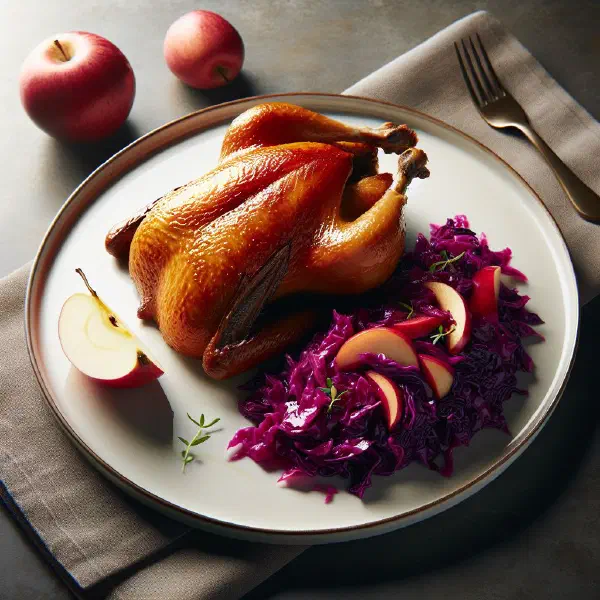
An attractive presentation of Pomeranian Goose Leg can lift the whole dining experience. Use colourful sides such as red cabbage and golden, pan-fried potatoes to create an appealing play of colours on the plate. Arrange the goose legs with fresh herbs as a garnish to give the dish an elegant touch. A handsome plate or a rustic serving platter completes the picture and helps you present the celebratory meal with real style, a fitting flourish for German cuisine.
A bit of history
Pomeranian Goose Leg has its roots in German tradition and is enjoyed above all through the winter months. Historically, goose was a festive dish, often served on special occasions, since it was regarded as something of a feast. The use of regional ingredients, such as apples and spices, is typical of German cooking and reflects the culture and eating habits of the region. This tradition has endured to the present day and is passed down from generation to generation to preserve the country’s culinary variety.
More recipe ideas
- Saxon Pot Roast
- Duck with Apple Red Cabbage
- Swabian Onion Roast Beef
- Authentic Thuringian Dumplings
- Apple Red Cabbage
Summary: Pomeranian Goose Leg
Pomeranian Goose Leg is a festive dish of German cuisine that wins admirers with its savoury flavour and tender texture. With careful preparation and a thoughtful choice of ingredients, this dish becomes the highlight of any celebration. The combination of a traditional recipe and creative scope for adaptation makes it a genuine delicacy. Let it inspire you and bring a piece of German tradition to your own table.