National Dish Germany: Poppy Seed Stollen (Recipe)
In this article
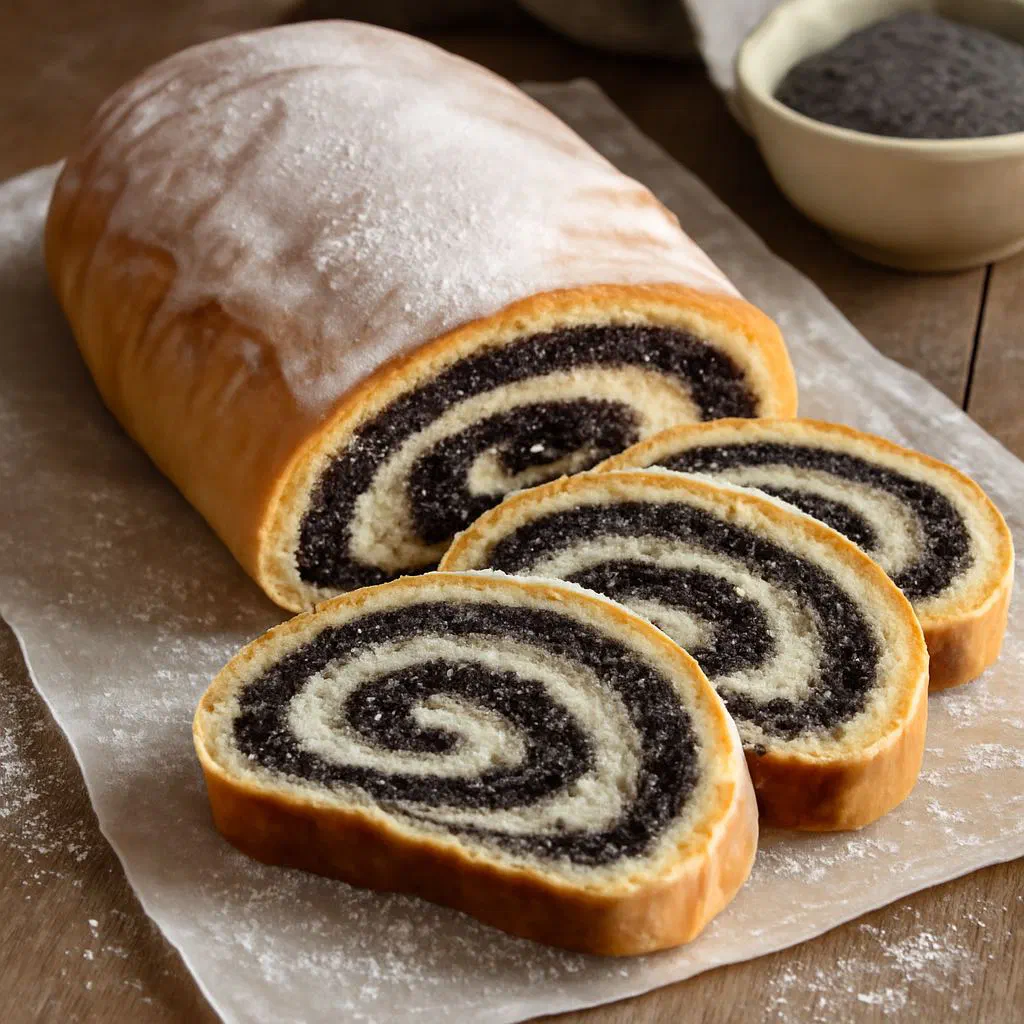
There is something deeply comforting about a slice of Poppy Seed Stollen, especially when the days turn cold and the kitchen fills with the warm scent of butter and vanilla. This sweet yeast loaf, made to a tried-and-tested GDR recipe, hides a generous swirl of intensely flavoured poppy seed filling inside a tender, moist crumb. Reliable with simple, everyday ingredients and lovely to keep for days, it makes a wonderful treat to serve alongside an afternoon coffee or to nibble whenever a sweet craving strikes.
About Poppy Seed Stollen
Poppy Seed Stollen is a traditional sweet yeast pastry that brings warmth and cosiness to the colder months, all wrapped around a deep, intense poppy seed flavour. The hallmarks are a moist, juicy crumb, an aromatic filling and a buttery, gently vanilla-scented note that unfolds the moment you cut into it. In many households the recipe has been adapted so that it succeeds reliably with humble ingredients and stays fresh for a good while. Anyone who loves poppy seeds will find a bake here that works beautifully as a coffee-time treat or as a small indulgence in between.
Ingredients (serves 1–2)
For a small quantity, ideal for a trial run or a smaller household, you can keep the quantities compact and still bake a proper, satisfying stollen. When shopping, pay particular attention to fresh poppy seeds or a good-quality poppy seed filling, because the aroma is what makes or breaks this bake. If you use whole poppy seeds, it is well worth grinding them so the filling turns out creamy rather than dry. The amounts below are chosen to give you a small but wonderfully aromatic result.
- 250 g plain flour
- 4 g dried yeast, or 1/2 cube of fresh yeast
- 125 ml milk, lukewarm
- 40 g sugar
- 50 g butter, softened, plus a little extra for brushing
- 1 egg
- 1 pinch of salt
- 120 g ground poppy seeds, or ready-made poppy seed filling
- 20 g honey or sugar, for the filling
- 1 sachet vanilla sugar, or vanilla
- 1 teaspoon lemon zest (optional, for freshness)
- Icing sugar, for dusting
Shopping for the ingredients
When shopping, it pays to focus on poppy seed quality and freshness, since rancid fats quickly spoil the aroma. Ground poppy seeds should be as fresh as possible or come from a trusted source, as their large surface area means they lose flavour more swiftly than most ingredients. If you opt for a ready-made poppy seed filling, check the label: some products are already heavily sweetened, so you may want to scale back the sugar later. For a particularly rounded flavour, real butter rather than margarine is recommended, as it supports the classic stollen character. The same care over good butter pays off in a richer relative such as Butter Stollen.
Preparing the dish
So that the dough rises well, the milk and butter should be neither too cold nor too hot, keeping the yeast lively and active. Lay out all your ingredients and weigh them as accurately as you can, because with yeast bakes small deviations can quickly leave the texture sticky or too firm. For the poppy seed filling, a creamy, spreadable consistency is ideal, so the stollen rolls and shapes neatly later on. Build in time for the proving stages too, as these are what give the loaf its volume, lightness and fine mouthfeel.
Step-by-step instructions
- Make the yeast dough: Combine the flour, yeast, sugar and salt. Add the lukewarm milk, egg and softened butter, then knead for 8–10 minutes until the dough is smooth.
- Let the dough rise: Cover and prove in a warm place for 45–60 minutes, until it has noticeably increased in volume.
- Prepare the poppy seed filling: Mix the ground poppy seeds with honey or sugar, vanilla and the optional lemon zest. If needed, add a small splash of milk to create a spreadable paste.
- Roll out and fill: Roll the dough into a rectangle, spread the filling evenly over it and leave a 1–2 cm border clear around the edges.
- Shape: Carefully roll the dough up, or fold it in the classic way, to create the typical stollen shape. Press the seam firmly to seal.
- Second prove: Rest for a further 20–30 minutes so the stollen rises beautifully in the oven.
- Bake: Bake at 175–180 °C (conventional heat) for about 25–35 minutes, until golden. If it browns too quickly, cover with baking paper.
- Finish: Brush with butter straight after baking, then dust with icing sugar once cooled.
Gluten-free / lactose-free version
For a gluten-free version you can use a gluten-free flour suited to yeast dough, ideally a blend containing binders such as psyllium husk or xanthan gum so the dough does not fall apart. Since gluten-free doughs are often softer, a loaf tin is helpful to give the stollen stability and hold its shape. A lactose-free result is easy to achieve by using lactose-free milk and lactose-free butter, or a suitable alternative, without greatly altering the flavour. If you use a ready-made poppy seed filling, check whether it contains milk ingredients and choose a lactose-free variety where necessary.
Tips for vegans and vegetarians
The recipe is already straightforwardly vegetarian, and it turns vegan with just a few tweaks. Replace the egg with around 2 tablespoons of apple purée or a flax egg, so the dough keeps its moisture and binding. The butter can be swapped for a good-quality vegan margarine or vegan butter, though the aroma will vary slightly depending on the product. Use a plant-based drink such as oat or soya as well, taking care to choose unsweetened versions so the sweetness stays under your control.
More tips and tricks
If you are after a particularly intense aroma, toast whole poppy seeds briefly in a dry pan and grind them fresh, as this brings out the nutty flavour noticeably. For extra juiciness, brush the stollen with butter twice after baking and only then dust it generously, so the sugar clings well. Let the stollen cool completely before slicing, otherwise the crumb is still settling and can seem more crumbly. Stored in baking paper inside a tin, it stays pleasantly fresh and aromatic for several days.
Adapting the recipe to your taste
You can control the sweetness nicely by reducing the sugar in the dough a little and instead boosting the flavour of the filling, perhaps with vanilla or a hint of cinnamon. If you prefer a fruitier note, add finely chopped raisins or candied orange peel to the poppy seed mixture, but make sure they are evenly distributed. The texture can be varied too: more butter makes the dough more tender, while a little less butter gives a more bread-like structure. If you like your stollen especially compact, roll it more tightly; for airier layers, shape it a touch more loosely before proving.
Ingredient substitutions
If ground poppy seeds are unavailable, you can use whole poppy seeds and grind them fresh so the filling does not stay gritty and binds better. Honey can be replaced with sugar-beet syrup or maple syrup, which can lend the aroma a gently malty note. In place of lemon zest, orange zest also works and pairs especially well with poppy seeds, making the filling taste rounder. For the milk, both cow’s milk and plant-based drinks are fine, with oat drink often bringing a pleasant, mild sweetness.
Drink pairing ideas
Warm drinks suit poppy seed stollen particularly well, as they highlight the buttery, nutty notes. A classic coffee or a mild café au lait harmonises with the sweetness without overpowering the poppy seed aromas. If you prefer tea, a black tea or a light spiced tea is a good choice, as these varieties give the bake structure and cleanse the palate. A hot milk (or plant-based drink) with vanilla is another lovely option when you want something especially mild and rounded. For something more distinctly local, a cup of East Frisian Tea with Rock Sugar and Cream makes a charming companion.
Serving and presentation ideas
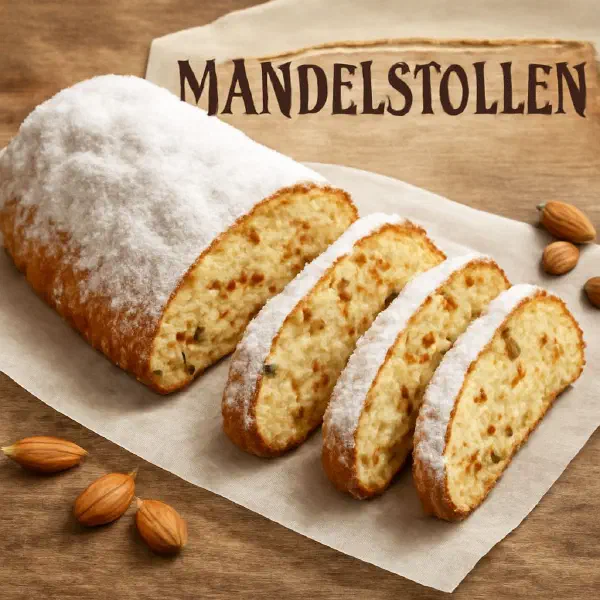
A poppy seed stollen looks especially inviting if you dust it freshly with icing sugar just before serving and present it in thicker slices on a wooden board. A small contrast comes from accompaniments such as apple slices or a spoonful of fruit compote, which lighten the look and add a fresh note. If you have guests, arrange the slices slightly overlapping so the poppy seed layer is clearly visible and whets the appetite. For a clean cut, a sharp bread knife wiped briefly between slices works wonders.
A bit of history
Poppy seed bakes have a long tradition in Central Europe, because poppy was available locally and its aroma could lift even the plainest of doughs. In many homes, stollen was baked for the holidays and as a keeping bake that tastes good for several days and stores well. The GDR recipe often stands for practical preparation, dependable results and ingredients you can get hold of without much fuss. It is precisely for this reason that poppy seed stollen is still happily baked today, since it tastes familiar while at the same time bringing a genuine festive feeling into the kitchen, a hallmark of much-loved German cuisine.
More recipe ideas
- Butter Stollen
- Dresden Christmas Stollen
- Thuringian Poppy Seed Cake
- Silesian Streusel Cake
- Stuttgart Fruit Bread
Summary: Poppy Seed Stollen
Poppy Seed Stollen is an aromatic yeast pastry that wins you over with a moist poppy seed filling and a buttery finish. With just a few well-chosen ingredients it succeeds even in small quantities and adapts flexibly to gluten-free, lactose-free or vegan needs. If you pay attention to the right dough consistency, allow enough proving time and keep the filling nicely spreadable, the result is especially light and well balanced. Served with coffee or tea and cleanly sliced, it is an uncomplicated classic that brings lasting pleasure.