National Dish Germany: Pork Dripping with Crackling (Recipe)
In this article
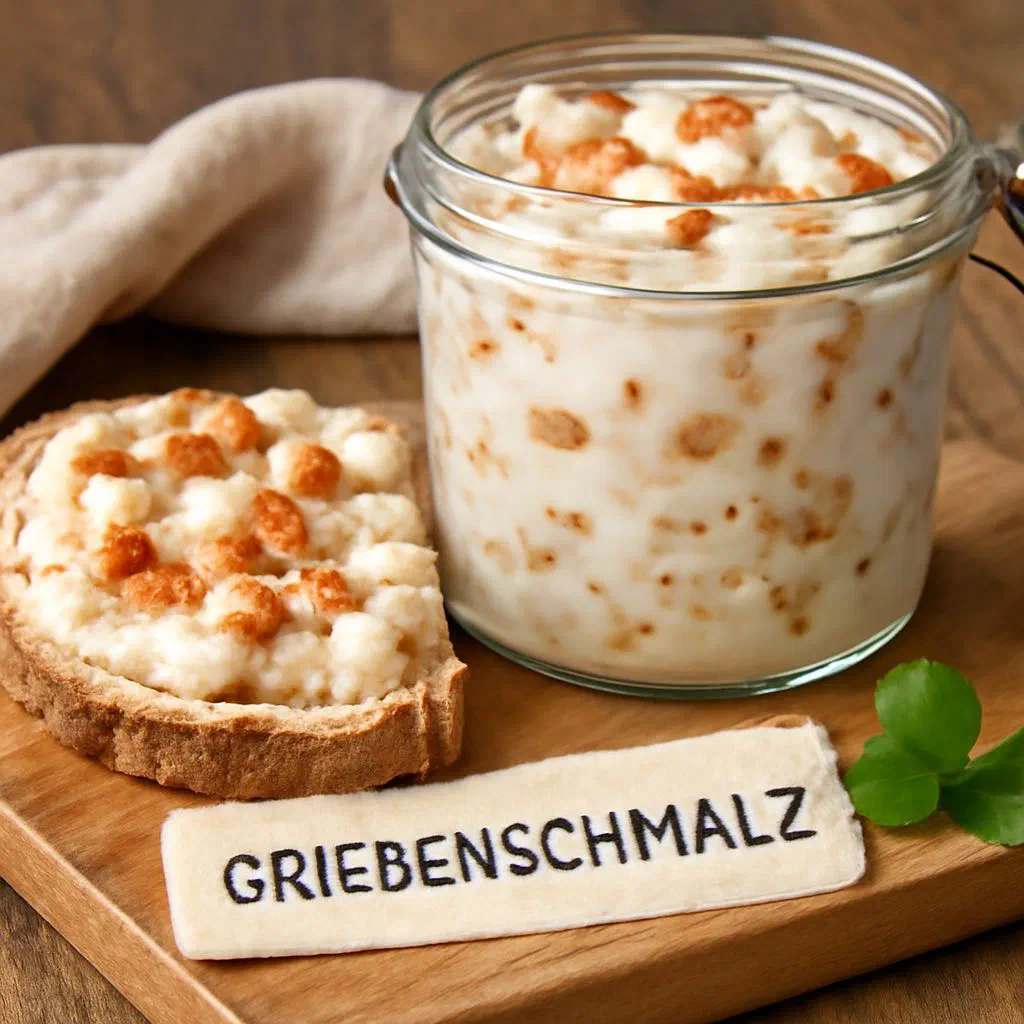
Few spreads carry the comforting weight of nostalgia quite like pork dripping with crackling, a hearty staple closely tied to the home cooking of the former GDR. Savoury, satisfying and surprisingly aromatic, it brings together gently rendered pork fat, crisp golden crackling and softly braised onions, often rounded off with a little apple and marjoram. Traditionally spread thickly on fresh farmhouse bread or robust rye, it rewards a patient hand at the stove, because here, texture is everything.
About Pork Dripping with Crackling
Pork dripping with crackling ranks among those rustic classics that so many people associate with the kitchens of the former GDR: rich, filling and unexpectedly full of flavour. The hallmark is the combination of carefully rendered pork fat, crisp crackling and slowly softened onions, frequently lifted with apple and marjoram. It is served the traditional way as a bread spread, particularly on fresh farmhouse loaves or hearty rye. Anyone hoping to nail the flavour should take their time with the rendering, because the texture is what makes or breaks the result.
Ingredients (serves 1–2)
- 200–250 g pork fat (e.g. back fat or leaf lard, ideally unseasoned)
- 1 small onion
- 1/2 small apple (optional, but typical for a gentle sweetness)
- 1/2 tsp marjoram (or to taste)
- Salt
- Black pepper
- 1 pinch of caraway (optional)
For a truly convincing result, the quality of the fat is decisive: fresh fat without a strong smoky note lets the seasonings shine. The onion provides a savoury base, while the apple makes the whole thing rounder and easier to spread. Marjoram is a classic herb that reinforces that “home cooking” character and pairs beautifully with pork. Salt and pepper are best fine-tuned at the very end, as the flavours intensify during rendering.
Shopping for the ingredients
The best place to find suitable fat is your local butcher, where you can ask specifically for leaf lard or unseasoned back fat. The supermarket works too, but look for the shortest possible ingredients list and steer clear of heavily cured or strongly smoked products, since they can overpower the flavour. Onions should be firm and dry, because watery onions lengthen the cooking time and can make the fat spit more during rendering. If you use apple, slightly tart varieties (such as Bramley) work well, as they offer a good counterpoint to the richness, much like the fruity note in a classic Apple Red Cabbage.
Preparing the dish
Cut the pork fat into small cubes so it renders evenly and you end up with crisp crackling. Finely dice the onion so it softens in the fat and later distributes well through the spread. Peel the apple if you like and cut it into very small cubes too; that way it cooks down faster and lends a mild sweetness. Have a clean screw-top jar ready as well, because hot dripping is most safely poured straight into a heatproof container.
Step-by-step instructions
- Place the cubes of fat in a pan and warm slowly over low to medium heat so the fat is released and nothing scorches.
- Stir regularly and render patiently until the cubes shrink and golden crackling forms.
- Once the crackling begins to crisp up, add the diced onion and let it braise gently for a few minutes.
- Optionally stir in the apple cubes and cook briefly until they soften and release their aroma.
- Take the pan off the heat, season with marjoram, salt, pepper and optional caraway, then stir well once more.
- Pour hot into a clean jar, leave to cool a little, then let it set firm in the fridge.
The most important rule is to keep the heat low, because excessive temperatures quickly turn crackling bitter. Give it time and the dripping turns clearer while the crackling crisps evenly, instead of going dark outside and chewy within. The onions should become translucent to lightly golden rather than deeply browned, otherwise they develop a roasted, dominant flavour. Once decanted, the dripping firms up as it cools and takes on that characteristic spreadable consistency.
Gluten-free / lactose-free version
The base recipe is naturally gluten-free and lactose-free, since neither flour nor dairy is required. What matters most is what you serve alongside it: with gluten-free bread or gluten-free crispbread alternatives the whole dish stays gluten-free. With spice mixes it is worth quickly checking for additives, even though marjoram, salt, pepper and caraway in their pure form are perfectly safe. If you are making the dripping for guests, it helps to use separate knives and boards to avoid cross-contamination from breadcrumbs.
Tips for vegans and vegetarians
A similar spread can be made without pork fat if you lean on plant-based fats and recreate the roasted aromas. For a vegetarian version, butter can play a role, though of course it is not vegan and contains dairy. A vegan result works well with a blend of rapeseed oil and coconut fat, or with purely plant-based margarine, enhanced by roasted onions and smoked paprika for a savoury edge. For a “crackling” character, crisply fried smoked tofu cubes or well-seasoned sunflower seeds give a satisfying, nutty texture as the fat cools.
More tips and tricks
If you want especially crisp crackling, pour off the rendered fat briefly, leave the crackling in the pan a moment longer, then stir it back in. That keeps it from softening. A small splash of water at the start can help the fat warm more slowly and prevent scorching; the water cooks off completely later on. Take care to keep the jar truly clean, because hygiene has a noticeable effect on shelf life. In the fridge, pork dripping usually keeps for several days up to around two weeks, depending on how cleanly you worked and whether any breadcrumbs found their way in.
Adapting the recipe to your taste
If you like it more robust, increase the proportion of onions or add a pinch of garlic, but keep it restrained so the spread does not become overpowering. For a finer, milder version you can lift out some of the crackling after rendering or chop it coarsely, so the texture turns more uniform. If you enjoy bolder seasoning, smoked paprika or a knife-tip of mustard powder add depth to the dripping. The balance of salt and marjoram is easy to adjust too: marjoram quickly becomes intense, so it is better to season little by little.
Ingredient substitutions
Instead of apple you can use a very small amount of pear if you would like an even gentler sweetness, or leave out the fruit entirely for a purely savoury version. Marjoram can be swapped for thyme at a push, though the flavour then turns more Mediterranean and less traditional. If you cannot get leaf lard, other unseasoned fat works too, although the dripping may then taste a touch stronger. Caraway is optional, but a good alternative is a tiny amount of ground coriander, which delivers a warm spice without tasting of caraway.
Drink pairing ideas
With hearty bread and pork dripping, the best drinks are those that balance the richness, for example black tea or a bracing herbal tea. For the classic approach, reach for a light beer or a Pilsner, as the bitterness works well against the rich texture. Apple spritzer also pairs surprisingly well, especially if you worked apple into the dripping, because the acidity refreshes the palate. For alcohol-free alternatives, sparkling water with lemon or a slightly tart blackcurrant juice make a good choice.
Serving and presentation ideas
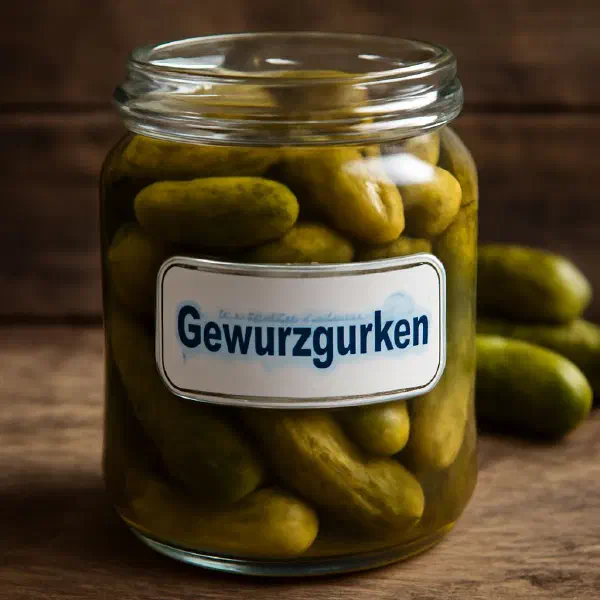
Pork dripping is best served in a small bowl or straight from the jar, so the pieces of crackling show and the rustic look comes through. A topping of finely sliced onion, a little freshly ground pepper or a pinch of marjoram makes it instantly more appetising. A side of gherkins or slices of pickled cucumber is very popular, because the acidity sets up a lovely contrast. On a wooden board with dark bread, a few radishes and some cucumber, the whole thing looks like a proper German spread, in the best tradition of German cuisine.
A bit of history
Dripping and dripping-style spreads have a long tradition in Germany, because preserving fat and meat was once an important part of stocking the larder. In many households nothing was wasted after slaughtering, and rendering fat yielded both cooking fat and crisp crackling as a “bonus”. Versions with onions and the occasional apple are common across regions and reflect the idea of creating plenty of flavour from very few ingredients. In GDR cooking especially, the emphasis was on a practical, filling everyday cuisine, in which bread spreads like this one made a simple, uncomplicated meal possible.
More recipe ideas
If you enjoy putting together a spread of cold cuts and spreads, it pays to combine several so that both hearty and fresh components share the table. A creamy spread offsets crisp or very salty partners, while tart salads cleanse the palate. When planning, take care not to serve too many strongly seasoned elements at once, so each one comes into its own. With one or two spreads and a fresh side salad, a varied meal soon takes shape.
Summary: Pork Dripping with Crackling
Pork dripping with crackling is a traditional, savoury bread spread that delivers a remarkably intense flavour from very few ingredients. The keys are slow rendering, controlled heat and the right timing for the onions and optional apple, so the crackling stays crisp. The recipe is naturally gluten-free and lactose-free, as long as you choose suitable accompaniments such as the right bread. With small tweaks to the seasoning and texture, you can easily tailor the dripping to your own taste and serve it the classic way as part of a hearty spread.