National Dish Germany: Pork Ribs (Recipe)
In this article
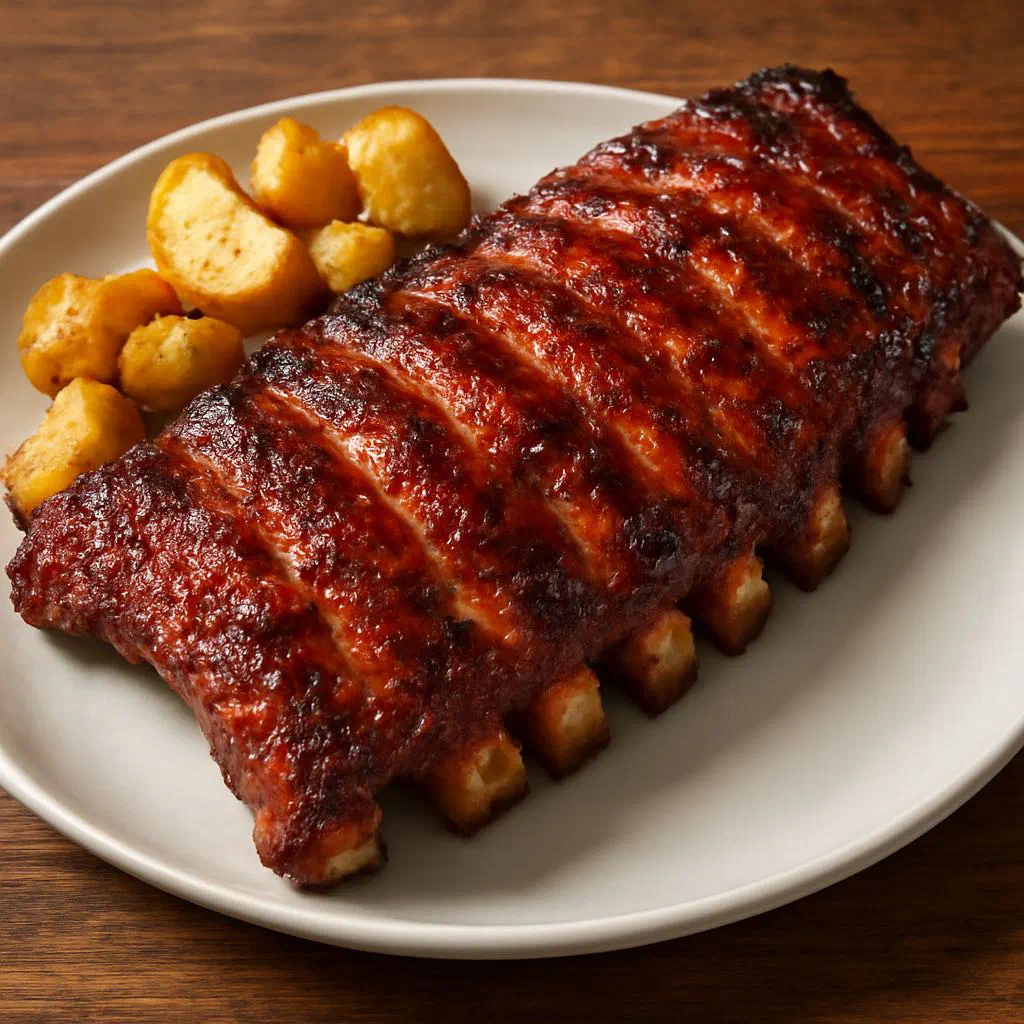
There is something deeply comforting about Pork Ribs cooked the old East German way, honest, hearty fare that coaxes plenty of flavour from a handful of humble ingredients. The trick lies in gently coaxing the meat to tenderness before searing it hard for those deep, savoury notes. With mustard, onions and a good ladle of stock, this is the kind of rustic plateful that fills a kitchen with warmth and a table with happy faces. It is filling, frugal and gloriously old-fashioned.
About Pork Ribs
Pork ribs in the GDR style stand for proper home cooking, the sort that delivers a great deal of flavour from very little fuss. The classic approach is to cook the ribs gently first and then sear or braise them hard, so they pick up rich roasting aromas on the outside while staying meltingly tender within. In countless kitchens they were prepared with onions, mustard and a simple seasoning, because that combination is reliable and genuinely satisfying. This is a dish that comes into its own when you are planning a hearty lunch or a rustic supper, and it scales up beautifully for a crowd.
Ingredients (serves 1–2)
- 600–800 g pork ribs (whole or cut into portions)
- 1–2 onions, sliced into rings or diced
- 2 tsp medium-hot mustard
- 1–2 tbsp oil or lard for frying
- 250–400 ml stock (vegetable or meat stock)
- 1–2 cloves of garlic (optional, finely chopped)
- 1 tsp marjoram or caraway (optional, but classically hearty)
- Salt and black pepper
- 1–2 bay leaves (optional)
The quantities are pitched so that, depending on appetite, you end up with either one generous serving or two regular ones. Above all, the quality of the ribs matters: with a good meat-to-fat ratio they turn out juicier and more flavourful as they cook. Mustard and onions are the central flavour building blocks here, forming a savoury seasoning base without any complication. If you like things especially rustic, add marjoram or a pinch of caraway, as both pair wonderfully with pork.
Shopping for the ingredients
When shopping, it pays to buy your ribs from a butcher or the fresh meat counter, where you usually get the better meat quality and can ask for them to be trimmed to size. Look for meat that is not too lean, as a little fat keeps the ribs tender and tasty during braising. For the stock you can use a good shop-bought version or quickly make your own, though a not-too-salty stock gives you far more control when you come to season at the end. Onions and mustard are straightforward, but for the mustard a medium-hot style suits the dish best, seasoning it without dominating.
Preparing the dish
Before you start cooking, give the ribs a quick rinse and pat them thoroughly dry, so they develop lovely roasting aromas when seared. Remove any loose bone splinters if needed and cut the piece so it fits neatly into your pot or roasting dish. Next, rub the ribs with salt, pepper and mustard, which seasons the meat right from the outset. Have the onions prepped and ready, as they often go straight into the pot after searing and form the base for a robust braising liquid.
Step-by-step instructions
- Rub the ribs with salt, pepper and mustard and leave to sit for 10–15 minutes.
- Heat the oil or lard in a heavy pot or roasting dish and sear the ribs all over until well browned.
- Add the onions (and the garlic, if using) and let them colour gently for 2–3 minutes.
- Pour in the stock, add the bay leaf and the marjoram or caraway if using, and bring everything to the boil once.
- Reduce the heat, put on the lid and braise the ribs over a low heat for 60–90 minutes until tender (depending on thickness).
- Take off the lid and let the sauce reduce for 5–10 minutes; season to taste and rest the ribs briefly before serving.
The searing is decisive, because it delivers the characteristic roasting aromas that deepen the flavour noticeably. During braising, the collagen in the meat turns to gelatine, which makes the ribs wonderfully tender so they slip easily off the bone. If you want a thicker sauce, you can reduce it harder at the end or let the onions break down a little, which binds it quite naturally. Keep an eye on the liquid as it cooks so nothing catches, and the result stays beautifully juicy.
Gluten-free / lactose-free version
This dish is very easy to cook gluten-free, as it works without any flour when you simply thicken the sauce by reducing it. That said, do check the labels on the stock and the mustard, as some products can contain traces of gluten or be made with gluten-containing additives. For a lactose-free version the same applies: meat, onions and spices are no trouble, but ready-made stock can occasionally contain milk derivatives. If you want to be completely sure, use a clear, certified stock or make a simple one yourself from vegetables and spices.
Tips for vegans and vegetarians
Although ribs are classically meat, you can reinterpret the basic principle as a hearty braise that is entirely vegetarian. Seitan ribs or generously marinated oyster mushrooms work very well, as they take on roasting aromas and offer a “meaty” texture. Swap the stock for a robust vegetable stock and lean on mustard, onions, marjoram and pepper to capture that signature rustic flavour. If you want it especially savoury, a small splash of soy sauce (choose gluten-free if needed) or a little smoked paprika adds a smoky note. The same trick works a treat in a meat-free Green Bean Stew.
More tips and tricks
For especially tender ribs it is worth braising a little longer over a gentle heat, as patience is a genuine quality factor here. If you like, you can briefly brown the ribs in a hot oven after braising to achieve a crisper surface. Seasoning at the end matters: mustard brings the bite, but a hint of acidity (a splash of vinegar, say) can “wake up” the sauce. It also helps to rest the meat for 5 minutes before serving, so the meat juices redistribute properly.
Adapting the recipe to your taste
If you like things on the spicier side, work in more mustard or add a pinch of hot paprika without losing the dish’s basic character. For a milder version, hold back on the mustard and lean more on onions, bay and marjoram, which makes the sauce rounder. Anyone who prefers a darker, more intense sauce can brown the onions more deeply as they fry, since that brings deep roasting aromas. The sides are easy to adapt too: from potatoes to sauerkraut, almost anything works as long as it supports the hearty style. A spoonful of Wine Sauerkraut alongside is a lovely choice.
Ingredient substitutions
If you cannot get pork ribs, pork belly in strips or pork neck also work as braising cuts, though the cooking time and fat content shift slightly. Onions are central, but at a pinch part of them can be replaced with leek, which likewise lends sweetness and savour to the sauce. Mustard can be swapped for a mixture of horseradish and a little honey if you are after a different note of heat, though the result will vary somewhat. For the stock you can fall back on water in an emergency, but you should then be more careful with the spices and salt so the sauce does not taste flat.
Drink pairing ideas
Pork ribs in the GDR style suit drinks that stand up nicely to fat and roasting aromas, such as a bitter beer or a mild pilsner. If you prefer wine, a fruity red with moderate tannins is often more pleasant than something very heavy, as it supports the seasoning without overwhelming it. For an alcohol-free pairing, malt beer or a slightly tart spritzer refreshes the palate between bites. Just make sure the drink is not too sweet, as the combination of sweetness and rich meat quickly becomes overpowering.
Serving and presentation ideas
Serve the ribs on warmed plates so the meat and sauce stay hot for longer and release their full aroma. A spoonful of the reduced onion sauce over the meat adds flavour and an appetising sheen. For visual contrast, fresh herbs such as parsley work well, even if they are not strictly classic, because they brighten the dish. If you are serving sides such as potatoes or cabbage, place them clearly apart so the ribs take centre stage and the plate does not look cluttered.
A bit of history
Hearty braised dishes held a firm place in the GDR, because they got by with simple ingredients and were still very filling. Meat was often prepared so that even “humbler” cuts became tender and aromatic through long cooking. Mustard, onions and stock made up a reliable base that was available in many households and pairs well with pork. Recipes like these still stand today for everyday practicality, gathering round the table and the principle of making something genuinely good from very little, a hallmark of German cuisine.
More recipe ideas
Summary: Pork Ribs
Pork ribs in the GDR style turn out especially well when you commit to hard searing followed by gentle braising, so aroma and tenderness come together. With onions, mustard and a good stock you create a robust sauce that needs no complicated ingredients yet delivers plenty of flavour. The recipe is easy to adapt, through spices, cooking time or sides, and is simple to keep low in gluten and lactose if you choose your products accordingly. The result is a rounded, down-to-earth dish that satisfies, tastes of home and is ideal for a rustic meal.