National Dish Germany: Pork Schnitzel (Recipe)
In this article
Few dishes say German comfort food quite like a pork schnitzel, a tender cutlet wrapped in a golden, crackling crust and fried until very crisp. Loved across the country in countless regional guises, it works beautifully as a hearty main with classic sides or simply as a quick bite on its own. Bring this beloved staple of German cuisine to your own table and discover why it has been a national favourite for generations.
About Pork Schnitzel
The pork schnitzel is a much-loved and time-honoured dish in Germany. It is defined by its crispy coating and the juicy flavour of the pork beneath. The dish comes in many variations and can be tailored to suit different regions and personal tastes. The pork schnitzel never fails to please.
Ingredients (serves 1–2)
- 2 pork cutlets (about 150g each)
- 2 eggs
- 100g plain flour
- 100g breadcrumbs
- Salt and pepper
- Oil, for frying
- Lemon, to garnish
Shopping for the ingredients
For a truly successful pork schnitzel, it is worth using good-quality ingredients. Look out for fresh, well-sourced pork cutlets, a trusted butcher is an excellent place to find them. Breadcrumbs made from day-old rolls give the schnitzel an especially crisp coating, so it is well worth seeking them out or making your own.
Preparing the dish
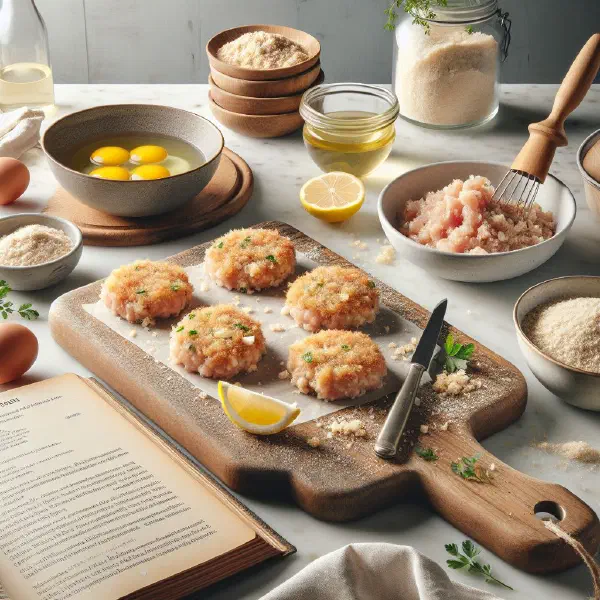
Before you start cooking, make sure all the ingredients are ready to go. The pork cutlets may need to be lightly pounded to an even thickness so they cook uniformly. Set out the eggs, flour and breadcrumbs in separate shallow bowls. Seasonings such as salt and pepper can be mixed straight into the flour to make the whole coating process simpler.
Step-by-step instructions
- Lightly pound the pork cutlets until they are about 0.5cm thick.
- Season generously with salt and pepper.
- Dredge each cutlet first in flour, then in beaten egg, and finally in breadcrumbs, pressing gently until fully coated.
- Heat the oil in a frying pan and fry the schnitzel over medium heat until golden brown on both sides.
- Drain the finished schnitzel on kitchen paper and garnish with a slice of lemon.
Gluten-free / lactose-free version
For a gluten-free version, simply use gluten-free breadcrumbs and gluten-free flour. To keep things lactose-free, fry the schnitzel in vegetable oil or lactose-free butter rather than ordinary butter. It is important to choose your ingredients carefully to avoid any allergic reactions. Happily, gluten-free and lactose-free alternatives are now widely available in most supermarkets.
Tips for vegans and vegetarians
There is no need for vegans to miss out on this treat. Alternatives such as seitan or soya cutlets make an excellent base for a meat-free schnitzel. Instead of egg, use a mixture of water and cornflour, or a little plant-based milk, to help the coating stick. Vegan breadcrumbs made entirely from plant-based ingredients are another great finishing touch.
More tips and tricks
A handy trick for an especially crisp schnitzel is to press the breadcrumbs on gently, without using too much force. If you are frying several schnitzels at once, keep the cooked ones warm in the oven at around 80°C, which helps them stay crunchy. Pork schnitzel is at its very best when served straight away while the crust is still crackling.
Adapting the recipe to your taste
This recipe is easy to vary to suit your own preferences. If you like a little more punch, try adding paprika or garlic powder to the flour. Herbs such as thyme or oregano lend a Mediterranean note. Experiment with seasonings to create your own perfect pork schnitzel, much as you might play with the spicing in a hearty Onion Steak.
Ingredient substitutions
A classic like the pork schnitzel is wonderfully easy to adapt. Veal or chicken breast both work beautifully in place of pork, chicken in particular gives you a leaner version much like a lighter Swabian Onion Roast Beef. For something a little more special, coat the cutlet in Parmesan breadcrumbs, which lend the dish an indulgent, savoury edge.
Drink pairing ideas
A range of drinks pairs beautifully with a classic pork schnitzel. A cold beer or a glass of crisp white wine complements the flavours of the dish very well. For an alcohol-free option, a refreshing apple spritzer is a lovely choice. Sparkling water with a slice of lemon makes for an equally refreshing accompaniment.
Serving and presentation ideas
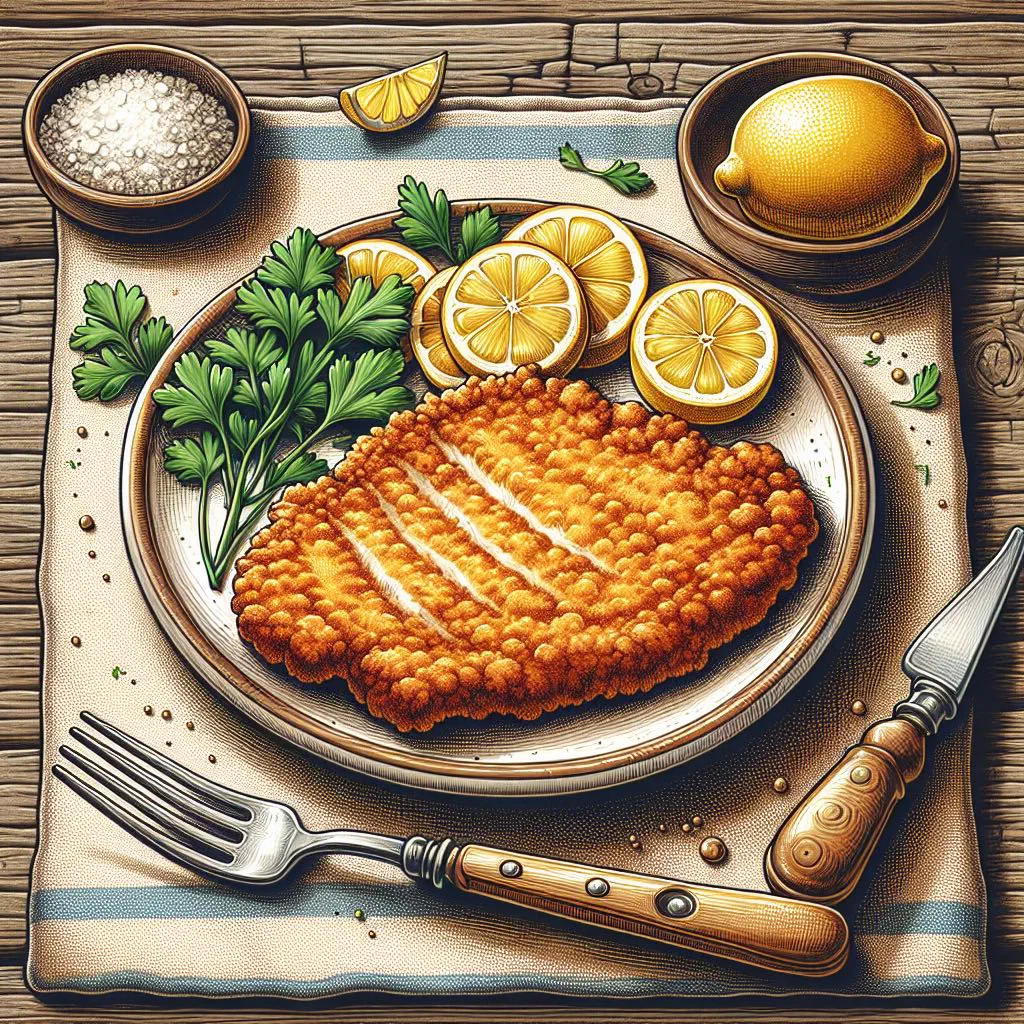
Presentation is the finishing touch for a successful schnitzel. Arrange the cutlet on a large plate and garnish it with a slice of lemon and fresh herbs such as parsley. Chips or a creamy Bamberg Potato Salad make ideal side dishes, while a colourful salad rounds the meal off perfectly.
A bit of history
The pork schnitzel has a long tradition and is deeply rooted in German cooking. Its origins, however, lie in Italy, where it is known as Cotoletta alla Milanese. Over time it grew popular in Germany and evolved into the dish we know and love today. The schnitzel is now firmly established as a symbol of German culinary craft, sitting comfortably alongside other meaty favourites like the Bavarian Meatloaf.
More recipe ideas
Summary: Pork Schnitzel
The pork schnitzel is a true classic of German cooking. With its crisp golden coating and juicy interior, it enjoys enormous popularity right across the country. It is easy to vary and to adapt to different dietary needs, making it a dish for everyone. Give this recipe a try and savour a genuine taste of German cuisine.