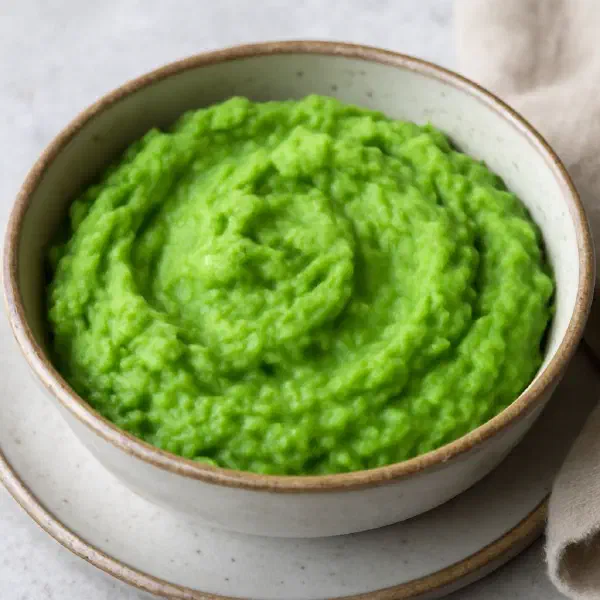
National Dish Germany: Pottsuse (Recipe)

In this article
Meet Pottsuse, a hearty, spreadable pork delicacy that became a firm favourite in the kitchens of the former East Germany and still has a devoted following today. Slow-cooked meat is teased into a wonderfully creamy, spreadable consistency, then seasoned generously and left to set firm in the fridge. Pile it onto a slab of dark bread with a few gherkins and a smear of mustard, and you have the kind of honest, no-fuss food that tastes of a simpler time.
About Pottsuse
Pottsuse is a traditional bread spread best known from GDR-era German cooking, and it has kept its fans for good reason. What sets it apart is its creamy, spreadable consistency, which comes from long-cooked meat and a confident hand with the seasoning. It is most often made from pork, and once chilled it firms up beautifully so it holds its shape on a slice of bread or a roll. Served with gherkins, mustard or raw onion, the savoury depth of the spread really comes into its own.
Ingredients (serves 1–2)
- 250 g pork (such as shoulder or belly, or a mix of both)
- 1 small onion
- 1 garlic clove (optional)
- 1 bay leaf
- 2–3 allspice berries or 4–5 peppercorns
- 1 tsp marjoram (or to taste)
- 1 tsp mustard (medium-hot)
- 1–2 tbsp lard or butter (for the characteristic binding)
- Salt and pepper
- Optional: 1–2 tbsp stock or cooking liquor to adjust the consistency
Shopping for the ingredients
For a successful Pottsuse it pays to look for slightly marbled cuts of meat, as the fat is what gives both flavour and spreadability later on. Pork shoulder is an excellent choice, because once cooked it falls apart tenderly and never turns dry. Onions, marjoram, bay and allspice are easy to find in any supermarket, but with the spices, good quality makes a noticeable difference. If you do not use lard regularly, buy a small jar, the remainder keeps well in the fridge and is handy for other savoury dishes, much as it is in a classic Dripping Bread with Onions.
Preparing the dish
Cut the meat into rough cubes so it cooks evenly and is easier to crush or shred later on. Dice the onion finely, as it then blends more readily into the meat mixture and gives a rounder flavour. Have the bay leaf and allspice to hand so you do not forget them during cooking and can fish them out again at the end. If you want a particularly fine spread, it helps to decide now whether you will shred it coarsely or purée it at the end.
Step-by-step instructions
- Put the meat in a pan, just cover with water, add the bay leaf and allspice, and slowly bring to the boil.
- Reduce the heat and let the meat simmer gently for 60–90 minutes until it is very tender.
- Lift out the meat, remove the spices and keep the cooking liquor; sweat the onion (and optional garlic) in a little lard until translucent.
- Shred the meat finely with two forks, or purée it briefly, then combine with the onion, marjoram and mustard.
- Season boldly with salt and pepper, working in 1–2 tablespoons of cooking liquor if needed until the spread reaches the consistency you want.
- Transfer the Pottsuse to a clean container, leave to cool, and chill in the fridge for at least 2 hours so the flavours can settle.
Gluten-free / lactose-free version
Classic Pottsuse is often naturally gluten-free, as long as you avoid gluten-containing additions and the mustard carries no traces you need to steer clear of. When buying mustard and stock, look for a gluten-free label if you are very sensitive. For a lactose-free version, simply swap the butter for lard or a lactose-free product, with no real loss of flavour or texture. Then serve the spread with gluten-free bread or potato waffles so the whole dish stays consistently easy to tolerate.
Tips for vegans and vegetarians
The idea behind Pottsuse can be recreated nicely without meat, as long as you keep the focus on savoury seasoning and a spreadable texture. For vegetarians, chopped, pan-fried mushrooms (such as button or oyster mushrooms) work well alongside fried onions and a little butter or plant-based fat as a base. Vegans can reach for smoked tofu or lentils, add marjoram, mustard and plenty of pepper, and bind the mixture with a little plant-based fat or a splash of oil. Most important of all is the resting time in the fridge, because only then does the aroma develop with the same intensity as the original.
More tips and tricks
For a particularly aromatic result, it pays not to let the meat boil hard but to keep it at a quiet simmer so it stays juicy and tender. If the Pottsuse is too firm after chilling, you can stir it loose again with a teaspoon of cooking liquor or a little melted lard. Conversely, if the consistency is too soft, a touch more lard and a longer chilling time will help the spread hold its shape better. A hint of nutmeg or a pinch of caraway is also very popular if you like things a little more aromatic.
Adapting the recipe to your taste
If you prefer your Pottsuse milder, hold back on the pepper and lean instead on marjoram and a gentler onion note. For a punchier version, a small spoonful of hot mustard or a little paprika makes the spread noticeably bolder. The texture is easy to vary too: coarsely shredded it feels more rustic, while a quick blitz in the blender gives a finer, smoother spread. Anyone who likes it especially rich can fold in a small amount of smoked meat, but should then go easy on the salt.
Ingredient substitutions
If you would rather not use lard, butter or a neutral plant-based fat will also work, though lard usually delivers the most classic flavour. Instead of pork shoulder you can use neck or belly; the key is that some fat is present, or the mixture turns dry. At a pinch, marjoram can be replaced with thyme, but the aroma changes noticeably, as marjoram brings that typical home-cooking note. If you would prefer not to use cooking liquor, take a small amount of stock, but make sure it does not become too dominant.
Drink pairing ideas
Pottsuse pairs well with drinks that balance the seasoning and keep the palate fresh. A light beer or a mild pils is very fitting, as the gentle bitterness harmonises nicely with the fat and mustard. If you prefer something alcohol-free, apple spritzer or a tart herbal tea hits the mark, since the light acidity or herbal note balances the richness. A dry white wine can work too, provided it is not too fruity and leans towards freshness.
Serving and presentation ideas
Serve Pottsuse in a small bowl and scatter a few fine onion cubes or a little freshly ground pepper over the top so it looks immediately appetising. Very classic is the pairing with gherkins, sliced and arranged alongside, as their acidity offers a wonderful contrast. On a rustic wooden board with dark bread, mustard and a few herbs, the whole thing looks like a proper little spread, ideal for guests too. If you use small jars, you can prepare the Pottsuse well in advance and simply serve it cold later, which is especially handy for everyday meals.
A bit of history
Pottsuse is a symbol of a cuisine that draws maximum flavour from just a few ingredients and puts leftovers to good use. The name is often linked to the Pott (pot), because the meat is cooked long and slow in the pot before being worked into a spread. In many households this kind of savoury bread topping was a favourite, because it is filling, can be made ahead and keeps well for several days in the fridge. It is also said that regional versions can vary widely, whether in the seasoning, the choice of meat or the question of whether it is processed coarse or fine, much like the broader sweep of German cuisine.
More recipe ideas
Summary: Pottsuse
Pottsuse is a robust, traditional bread spread that wins you over with tender slow-cooked meat, aromatic spices and a good binding. With just a few ingredients and a little patience at the simmer, you end up with a spreadable mixture that tastes even better once chilled. Through small adjustments to seasoning, texture and fat content, you can easily tailor the recipe to your own taste without losing its characteristic personality. Served with dark bread, mustard and gherkins, it becomes a simple but deeply satisfying meal.