National Dish Germany: Pretzel (Recipe)

In this article
Discover the Pretzel, one of Germany’s most iconic baked treats. With its glossy, deep-golden crust and soft, pillowy crumb, this twisted bread is far more than a simple snack. It is a cultural emblem found in bakeries and beer gardens across the country. Enjoy it plain, brushed with butter or topped with something savoury, and bring a slice of German Gemütlichkeit into your own kitchen with this easy recipe.
About the Pretzel
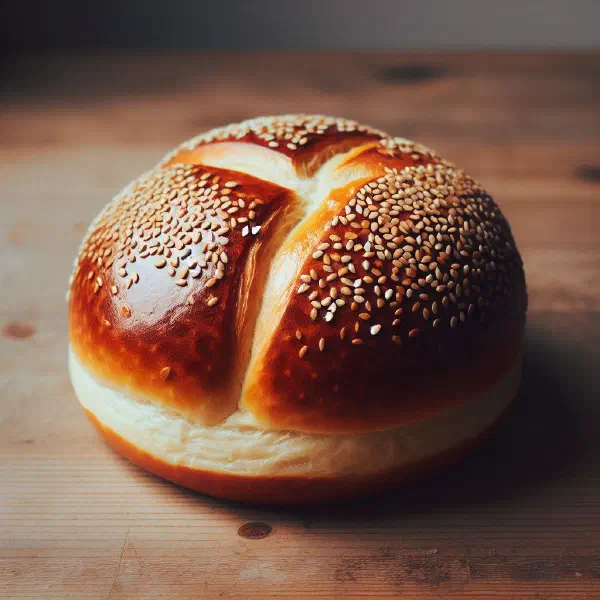
The pretzel is a genuine cultural icon in Germany. This quintessentially German speciality is famous for its appealing aroma and very good flavour, and its winning contrast of a crisp, burnished crust and a soft, tender interior makes it a firm favourite among baked goods. Spread with a little butter or piled high with a hearty topping, the possibilities are practically endless, a true cornerstone of German cuisine.
Ingredients (serves 1–2)
- 250 g plain wheat flour
- 150 ml water
- 1 tsp salt
- 1 tsp sugar
- 10 g fresh yeast or 4 g dried yeast
- Bicarbonate of soda, for the lye bath
- Coarse salt, for sprinkling
Shopping for the ingredients
To make pretzels at home, you will want fresh, good-quality ingredients. Ideally choose a strong wheat flour (Type 550 or a similar bread flour), as it works beautifully with the yeast and the lye treatment. It is also worth using fresh yeast where you can, for the best possible rise. The other staples, bicarbonate of soda and coarse salt, are just as essential to achieving that unmistakable pretzel flavour. Most of these are easy to find in a regular supermarket, and a good baking aisle will cover the rest.
Preparing the dish
Success with pretzels often comes down to good preparation. Make sure all your ingredients are at room temperature before you start baking, as this helps the yeast work at its best and gives you a light, airy result. It also pays to flour your work surface well before you begin kneading the dough, so it stays easy to handle and the shaping goes smoothly.
Step-by-step instructions
- Dissolve the yeast in the warm water with the sugar and leave it to activate briefly.
- Put the flour and salt in a bowl, then pour in the yeast-and-water mixture.
- Knead everything together thoroughly until you have a smooth, supple dough.
- Cover the dough and leave it to rise in a warm place for about 30 minutes.
- Once risen, divide the dough into equal portions and roll each one into a long rope.
- Shape the ropes into pretzels and arrange them on a baking tray lined with greaseproof paper.
- Make a lye solution by adding bicarbonate of soda to boiling water, then briefly dip each pretzel in it.
- Sprinkle the pretzels with coarse salt and bake at 220 °C for about 15 minutes.
Gluten-free / lactose-free version
For a gluten-free pretzel, you can use a gluten-free flour blend suitable for baking. Bear in mind that you may need to adjust the amount of water, as gluten-free flours often absorb liquid differently. Since the basic dough contains no dairy, the recipe is naturally lactose-free, and any lactose-free products can be used without changes if you plan to add toppings or fillings. These tweaks let you enjoy delicious pretzels while still catering for allergies.
Tips for vegans and vegetarians
A vegan pretzel is simple: just leave out the butter when serving, or reach for a plant-based alternative. The core ingredients, flour, water, salt and yeast, are already vegan, so the dough itself needs no changes at all. If you fancy adding fillings or toppings, simply opt for plant-based choices. Many classic accompaniments swap effortlessly for vegan products, much as they do in a comforting bowl of Cheese and Leek Soup made with dairy-free cheese.
More tips and tricks
One key tip when baking pretzels is to preheat the oven thoroughly, which is essential for a perfect crust. A tray of water placed in the oven creates steam and helps you achieve that desirable crispness. You can also experiment with the baking time to find the ideal texture for your taste. Just remember that a pretzel is at its very best straight from the oven, warm, fragrant and freshly baked.
Adapting the recipe to your taste
The wonderful thing about the pretzel is how easily it can be tailored to you. Work tasty herbs, cheese or spices into the dough to create your own twist. You can vary the size and shape too, make them large and generous, or roll out tiny snack-sized pretzels for a party.
Ingredient substitutions
If you cannot get hold of fresh yeast, dried yeast works just as well and is widely available. Should you find yourself without bicarbonate of soda, a dedicated pretzel salt or baking lye can help you capture that signature flavour. You might also try alternative flours such as spelt or rye, which lend interesting, more rustic notes, the same earthy character that defines a hearty Rye Bread. Substitutions like these help you adapt the recipe to what you have to hand.
Drink pairing ideas
Both soft drinks and something stronger pair wonderfully with a freshly baked pretzel. A classic beer, ideally a Helles lager or a wheat beer, harmonises perfectly with the savoury, salty flavours. For an alcohol-free option, apple spritzer or a good grape juice work a treat. And for special occasions, a glass of sparkling wine lends the moment a more refined, celebratory feel.
Serving and presentation ideas
How you present your pretzels can make a real impression. Serve them on rustic wooden boards or in baskets to create a cosy, welcoming atmosphere. A neatly arranged mound of pretzels in the centre of the table invites everyone to dig in. For a splash of colour and variety, offer a selection of dips or spreads in small bowls alongside. Perfect for a relaxed spread with a slice of Dripping Bread with Onions.
A bit of history
The story of the pretzel stretches back to the Middle Ages and is wrapped in myth and legend. It began as a simple yet satisfying food for bakers and farm workers alike. The name is thought to derive from the Latin bracellarium, meaning “little arms”, a nod to the distinctive crossed-arm shape of the pretzel. To this day it remains a significant part of German food culture and enjoys huge popularity around the world.
More recipe ideas
Summary: Pretzel
The pretzel is a unique and versatile bake that is as delicious as it is endlessly adaptable. With just a handful of ingredients you can easily recreate this traditional recipe at home while putting your own creative spin on it. The possibilities are practically limitless. Let it inspire you and bring a little piece of German Gemütlichkeit into your kitchen.