National Dish Germany: Pumpernickel (Recipe)
In this article
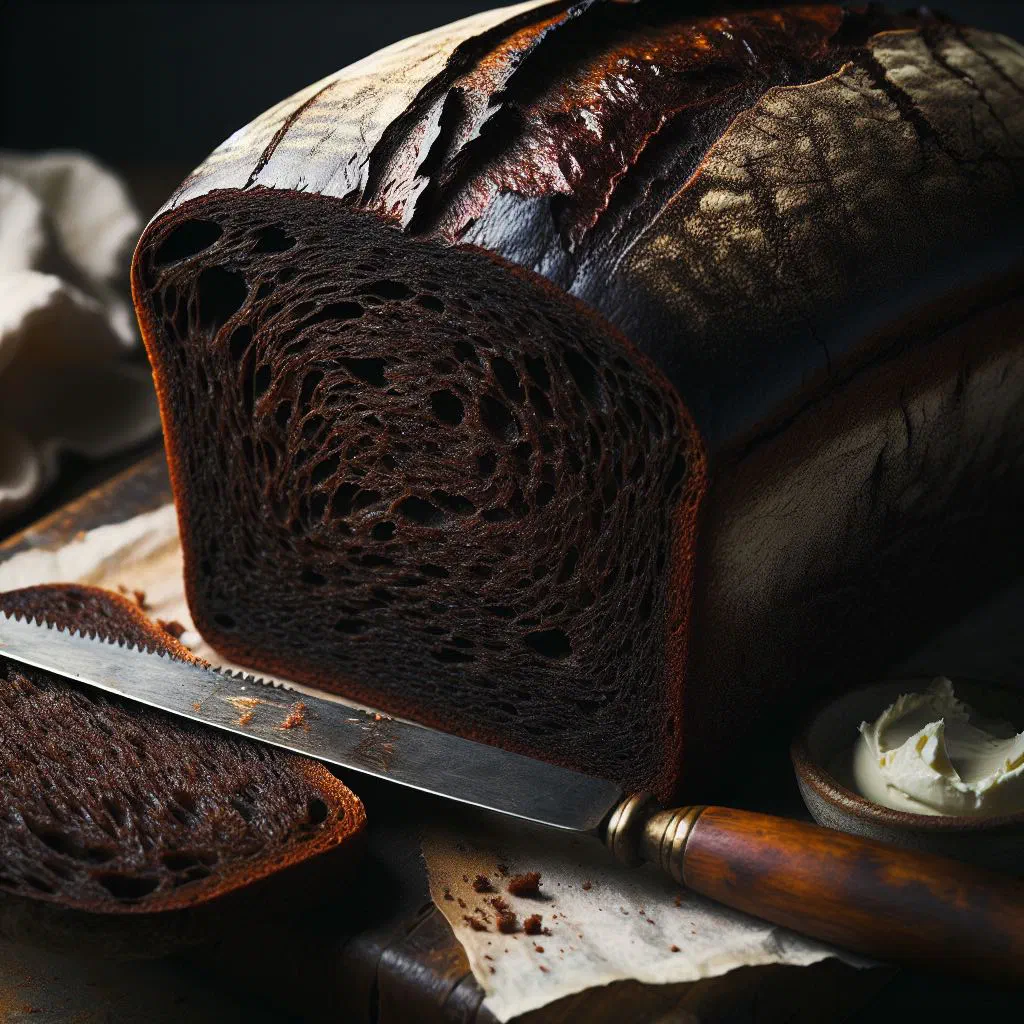
Discover Westphalian pumpernickel, a true icon of German baking and one of the country’s most distinctive breads. Almost black in colour, dense and faintly sweet, it owes its deep, malty character to an extraordinarily long, gentle bake. With just a handful of honest ingredients and a good measure of patience, you can bring this rustic loaf to life in your own kitchen. Slice it thinly, top it generously, and enjoy a genuine taste of German tradition.
About Pumpernickel
Westphalian pumpernickel is an one-of-a-kind German bread celebrated for its deep, malty flavour and dark, almost ebony colour. The loaf has a long and proud history and remains a fixture of German cuisine. Its unmistakable method and famously slow bake set it apart from everyday breads and make it a speciality well worth trying at least once. In this article we show you how to recreate this remarkable loaf at home, step by step.
Ingredients (serves 1–2)
- 500 g wholegrain rye meal (coarse rye)
- 250 ml water
- 20 ml malt extract
- 10 g salt
- 1 tablespoon sugar beet syrup
Shopping for the ingredients
To find the best ingredients for your pumpernickel, head to a health-food shop or a well-stocked supermarket. Make sure the rye meal is of good quality, as it forms the very foundation of the loaf. The malt extract and sugar beet syrup can usually be found in the baking aisle; both contribute to the bread’s signature flavour and dark colour. If you enjoy hearty bakes like this, you may also like the equally rustic Black Bread.
Preparing the dish
Before you start baking, it is important to prepare and weigh out all your ingredients. Combine the rye meal with the water, malt extract, salt and sugar beet syrup in a large bowl and mix thoroughly. Let the mixture rest for around 30 minutes so the grain can swell properly. This short soak gives the finished bread a better flavour and a finer, more even texture.
Step-by-step instructions
- Preheat your oven to 120°C.
- Lightly grease a loaf tin and spoon in the bread mixture.
- Cover the tin with aluminium foil so the loaf does not darken too much.
- Bake for around 16 hours, keeping the loaf covered for the entire time.
- Remove from the oven and let the bread cool completely before turning it out of the tin.
Gluten-free / lactose-free version
For a gluten-free version you can use buckwheat flour in place of the rye meal. It produces a slightly different result, but it is a sound alternative for anyone with a gluten intolerance. Since the recipe contains no dairy at all, it is already lactose-free, so there is no need to make any further adjustments if you are lactose intolerant.
Tips for vegans and vegetarians
This recipe for pumpernickel is naturally vegan, as it contains no animal products whatsoever. Do take care that everything you use, the malt extract in particular, is genuinely vegan. Some products can contain hidden animal-derived ingredients, so it is always wise to read the labels carefully before you bake.
More tips and tricks
Make sure the loaf stays covered throughout the entire bake. This stops it from becoming too dark or too hard on the outside. Allow the bread to cool completely before slicing, and for the very best texture it is well worth waiting until the following day to cut into it. A little patience really does pay off with this loaf.
Adapting the recipe to your taste
If you prefer a milder flavour, simply reduce the amount of malt extract. Those who like a sweeter loaf can increase the sugar beet syrup or add a touch more sugar. You might also experiment with spices such as caraway or coriander to give the bread a personal twist that is all your own.
Ingredient substitutions
If you cannot find rye meal, wholegrain rye flour will work too, though it will give the loaf a finer crumb. In place of sugar beet syrup you can use molasses or maple syrup to achieve a similar sweetness and consistency. The malt extract, meanwhile, can be replaced with a small splash of malt beer for a comparable depth of flavour.
Drink pairing ideas
Westphalian pumpernickel goes wonderfully with coffee or black tea in the afternoon. With savoury toppings such as ham or cheese, a good German beer or a robust red wine makes an excellent match. Those who love dairy can pour a glass of cold milk alongside, which brings out the bread’s gentle sweet notes beautifully.
Serving and presentation ideas
To present pumpernickel at its best, cut it into thin slices and arrange them on a rustic wooden board. Dress the board with fresh herbs and seasonal fruit for a touch of colour. Spreads such as butter, cream cheese or even a little honey work splendidly and offer a pleasing contrast to the loaf’s deep, malty character.
A bit of history
Westphalian pumpernickel has its roots in the western part of Germany and was first recorded in the 16th century. Originally it was a simple, long-keeping bread for farming communities. Today it is regarded as one of the region’s culinary treasures and is a symbol of the rich cultural heritage of Westphalia, much like the hearty Westphalian Pickert and the savoury Westphalian Potthucke.
More recipe ideas
Summary: Pumpernickel
Westphalian pumpernickel is a traditional German bread that draws its unique flavour from a marathon bake and a few well-chosen ingredients. With minimal fuss and a little patience, you can make this loaf at home and enjoy it for days. It suits people with gluten or lactose intolerances as well as vegans, making it a wonderfully inclusive bake. Give it a try and savour a slice of genuine German tradition.