National Dish Germany: Rhenish Bean Soup (Recipe)

In this article
Warm up with Rhenish Bean Soup, a soul-soothing dish straight from Germany’s Rhineland. This rustic classic brings together tender white beans, fresh vegetables and a fragrant handful of herbs for a bowlful of pure comfort. With its gentle warmth and homely aroma, it is the kind of dish that comes into its own on grey, cold days. Bring a little corner of the Rhine to your own kitchen and let this hearty soup do the rest.
About Rhenish Bean Soup
Rhenish Bean Soup is a true national dish of Germany and a classic that countless households still love to make. It brings together tender beans, fresh vegetables and a generous mix of aromatic spices to create an unmistakable flavour. This hearty soup offers a wonderful aroma and a comforting warmth that makes it the ideal choice for cold days. Let this recipe inspire you and enjoy a little piece of the Rhineland in your own kitchen.
Ingredients (serves 1–2)
- 150 g dried white beans
- 1 large onion
- 2 carrots
- 1 stick of celery
- 2 cloves of garlic
- 1 litre vegetable or meat stock
- 1 teaspoon thyme
- 2 tablespoons olive oil
- Salt and pepper, to taste
Shopping for the ingredients
To make a proper Rhenish Bean Soup, gather your ingredients from a well-stocked supermarket or, better still, the weekly market. Take care to pick out fresh, good-quality produce, particularly when it comes to the vegetables and herbs. The dried beans are usually found in the dried-goods aisle. A careful choice of ingredients is key to the full, rounded flavour of this traditional soup.
Preparing the dish
Good preparation is the secret to a delicious Rhenish bean soup. First, soak the dried beans in water overnight so they can rehydrate. The next day, rinse and drain them well. Then prepare the vegetables by finely chopping the onion, carrots and celery; this ensures even cooking and a lovely harmony of flavours throughout the soup.
Step-by-step instructions
- Heat the olive oil in a large pot and sweat the onion and garlic until translucent.
- Add the carrots and celery and fry everything for about 5 minutes.
- Tip in the soaked beans and deglaze with the stock.
- Add the thyme, salt and pepper and bring the soup to the boil.
- Reduce the heat and let the soup simmer for 1 to 1.5 hours, until the beans are tender.
- Purée the soup if you like a smooth finish, or leave it chunky. Serve hot.
Gluten-free / lactose-free version
Rhenish Bean Soup is naturally gluten-free and lactose-free, as long as you make sure the stock contains no relevant additives. You can also make your own stock from fresh vegetables to stay fully in control of the ingredients. This simple adjustment makes the dish suitable for many people and keeps it a healthy, tasty meal. It pays to read the labels carefully while shopping to be sure no unwanted ingredients slip in.
Tips for vegans and vegetarians
Vegans can enjoy Rhenish Bean Soup with ease simply by using a plant-based stock. Instead of meat stock, try a blend of water and vegetables or a few dried mushrooms to deepen that savoury umami note. You can also stir in extra plant-based proteins such as lentils or chickpeas to make the soup even more nourishing, much like the pulses that star in a hearty Swabian Lentil Stew. These alternatives keep the dish filling and full of flavour.
More tips and tricks
To make your Rhenish Bean Soup even tastier, experiment with different seasonings such as bay leaves or paprika. A squeeze of lemon juice just before serving can brighten the flavours and highlight the freshness of the ingredients. The soup is even better left to rest overnight in the fridge; the next day the flavour is often more intense. Serve it with fresh bread to round the meal off nicely.
Adapting the recipe to your taste
Rhenish Bean Soup is wonderfully adaptable and easy to vary to your liking. Add leafy greens such as spinach or kale, for example, to fold in extra nutrients. If you prefer things spicier, a pinch of chilli or paprika powder lends the soup a gentle kick. That way every potful brings a fresh flavour experience, tailored exactly to your taste.
Ingredient substitutions
If you do not have dried beans to hand, tinned beans work just as well; simply rinse them thoroughly first. Instead of the classic mix of root vegetables you could swap in other root vegetables for a different flavour direction, in the spirit of a comforting Pomeranian Potato Soup. You might also use coconut oil in place of olive oil for a slightly sweeter note. This variety of ingredients lets you put together a unique, personal dish that surprises every time.
Drink pairing ideas
A hearty Rhenish Bean Soup goes beautifully with a good, lighter beer. If you prefer wine, choose a light white or a delicate rosé to underline the soup’s flavours. For alcohol-free options, sparkling mineral water or fresh, lively fruit juices fit the bill nicely. These drinks help keep your meal balanced and well matched.
Serving and presentation ideas
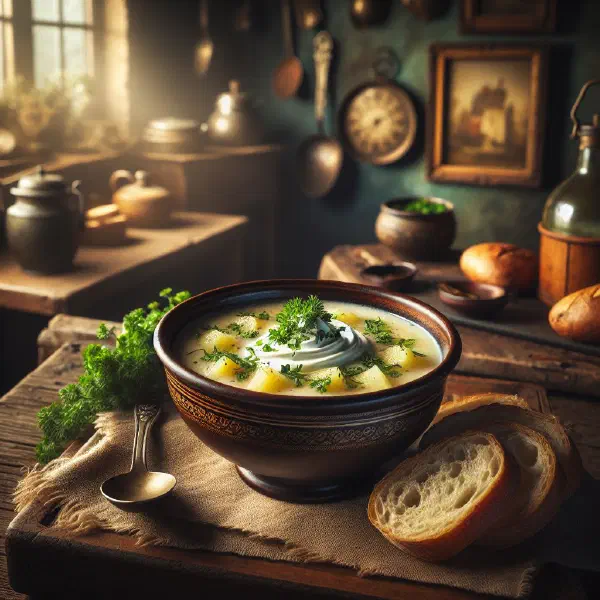
The presentation of Rhenish Bean Soup can be lifted with a few simple touches. Serve the soup in well-insulating ceramic bowls that hold the heat. Scatter freshly chopped herbs such as parsley or chives over the top for a splash of colour. A slice of oven-fresh bread beside the bowl makes the dish tastier and makes for a more inviting spread.
A bit of history
Rhenish Bean Soup has its origins in the rural cooking of the Rhineland, where beans were an important staple. The soup was originally a simple dish that could be put together quickly and that fed many mouths. Over the years the recipe has evolved and become part of Rhenish tradition, a fine example of the homely, frugal spirit of regional Germany cuisine. Today it is a classic dish and a symbol of what the region has to offer.
More recipe ideas
Summary: Rhenish Bean Soup
Rhenish Bean Soup is more than just a simple dish; it is a warm hug in a bowl. With its combination of fresh ingredients and savoury aromas, it is perfect for cold days and offers a lovely way to experience the tradition of Rhenish cooking. It brings a taste of home to the table. Let this recipe inspire you and savour its delicious flavours.