National Dish Germany: Rice Stew (Recipe)
In this article
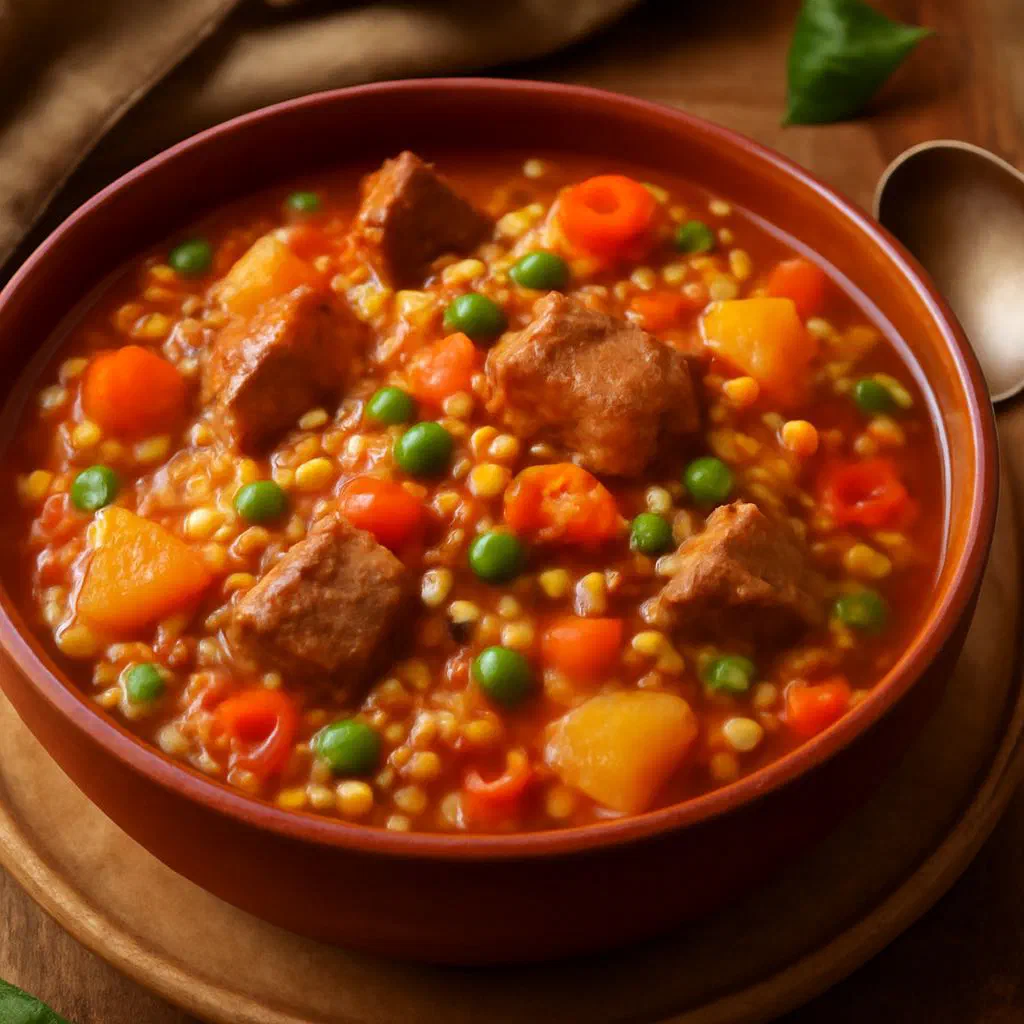
Few dishes capture the spirit of homely GDR cooking quite like a steaming bowl of Rice Stew. Built around rice, vegetables and, in its classic form, a little sausage, it is the kind of warming, one-pot meal that asks for nothing more than a single pan and a relaxed afternoon. It comes together easily, keeps beautifully for the next day, and welcomes whatever you happen to have in the cupboard, comfort food at its most reassuring and unfussy.
About Rice Stew
Rice Stew is one of those classic, filling dishes that many people associate with GDR cooking and honest, down-to-earth home cooking. It brings together rice, vegetables and, depending on the version, sausage or meat into a warm, satisfying meal that suits both everyday eating and a well-stocked larder. What makes it so practical is that the whole thing cooks in a single pot and can be prepared ahead when you know the next day will be busier. Thanks to its mild, gently spiced base, it is also a dish that adapts readily to your own taste without ever losing its familiar, comforting character.
Ingredients (serves 1–2)
- 80–100 g rice (long-grain or parboiled)
- 1 small onion, finely diced
- 1 carrot, sliced or cut into small cubes
- 1 small potato (optional, for extra body), diced
- 120–150 g bockwurst or jagdwurst, sliced (optional)
- 600–700 ml stock (vegetable or meat)
- 1–2 tablespoons tomato purée
- 1 bay leaf (optional, but aromatic)
- 1 teaspoon paprika (sweet)
- Salt and pepper
- 1 tablespoon oil or lard, for frying
- Optional: peas (a handful), celery or marjoram
Shopping for the ingredients
When you go shopping, it pays to choose a rice and a stock you can rely on, varieties that hold their shape and do not turn to mush too quickly, because the finished stew should be silky rather than stodgy. For the classic flavour, sausage is often used; here you can pick between bockwurst, jagdwurst or a mild krakauer, depending on what you prefer. If you are buying tomato purée, a small tube is ideal, as it is easy to measure out cleanly and keeps well in the fridge. Feel free to vary the vegetables with the seasons, all that really matters is a solid base of onion and carrot, since these provide the underlying aroma.
Preparing the dish
Good preparation makes all the difference, because the stew then cooks evenly and the flavours have a chance to come together. Give the rice a quick rinse if you want less starch in the pot; for a thicker bind, you can leave it unrinsed. Chop the onions finely so they soften quickly during frying and form an aromatic foundation. Try to cut the vegetable cubes to a similar size, so everything cooks at the same rate and you avoid stray hard pieces in the finished stew.
Step-by-step instructions
- Sweat the onion in oil or lard over medium heat for 2–3 minutes until translucent.
- Add the carrot and, if using, the potato, and let them cook for another 2 minutes.
- Stir in the tomato purée and fry briefly until fragrant (about 30 seconds), then deglaze with a splash of stock.
- Pour in the remaining stock, add the paprika and the optional bay leaf, and bring to the boil.
- Scatter in the rice, stir, then leave to simmer gently over low heat for 15–18 minutes, stirring now and then.
- Add the sausage in the final 5 minutes so it heats through without drying out.
- Season with salt and pepper, let it rest for 3–5 minutes, then give it a final stir.
Gluten-free / lactose-free version
Rice is naturally gluten-free, which makes Rice Stew a forgiving dish for a gluten-free kitchen. Do keep an eye on the stock, sausage and spice blends, though, watching for additives such as wheat starch or flavour carriers, as this is where gluten most often hides. For a lactose-free version, the main thing to check is whether the sausage or ready-made stock contains any milk components; many varieties manage without, but a glance at the ingredients list is worthwhile. If you want to be completely sure, use a homemade stock or a certified gluten- and lactose-free shop-bought one.
Tips for vegans and vegetarians
Rice Stew works especially well vegetarian: simply leave out the sausage and build the flavour instead with smoked paprika or a little marjoram. To make the dish vegan, use a robust vegetable stock and, if you like, add fried mushrooms or lentils for extra umami. A handful of peas or beans contributes protein and makes the portion more filling without losing that classic stew feeling. If you opt for plant-based sausage alternatives, add them very late so the texture and seasoning stay stable.
More tips and tricks
For a particularly pleasant consistency, stir regularly while the stew simmers so the rice does not stick to the bottom and binds evenly. For more depth, it really helps to fry the tomato purée briefly, as this creates roasted notes that round out the flavour. If the stew turns out too thick at the end, just add stock or hot water a splash at a time and taste again. If it is too thin, let it reduce gently for a few minutes without the lid, or stir in a little more rice and extend the cooking time slightly.
Adapting the recipe to your taste
Rice Stew is easy to make milder or bolder, depending on how you like it. For a spicier note you can work in garlic, caraway or a pinch of chilli, all without the dish losing its familiar base. If you want more vegetables, celery, leek or peppers are excellent choices, as they release aroma during cooking yet keep a good structure. You can vary the rice, too: long-grain stays more separate, while round-grain binds the stew more firmly and makes it creamier.
Ingredient substitutions
If you would rather not use a potato, you can take a little more rice for body, or purée a small portion of the finished stew and stir it back in. In a pinch, tomato purée can be replaced with passata, though you should then reduce it a little longer so the flavour concentrates. Sausage can be swapped for diced ham, leftover beef or vegetarian alternatives, what matters most here is seasoning the stock well. If you find bay leaf too dominant, replace it with marjoram or simply leave it out and let pepper and paprika carry the main aroma. The same swap-as-you-go spirit runs through a hearty Swabian Lentil Stew.
Drink pairing ideas
A hearty Rice Stew goes well with drinks that complement its warm, savoury character without overpowering it. Very classic choices are sparkling water or a light apple spritzer, as they keep the palate fresh and harmonise nicely with the tomato and paprika. If you fancy something warming, an unsweetened herbal tea is a pleasant companion, especially on cold days. For a heartier pairing, a mild beer or an understated white wine also works well, if you would like a little alcohol alongside.
Serving and presentation ideas
Even a down-to-earth stew looks more appetising when you plate it thoughtfully and add a few small contrasts. Serve the Rice Stew in pre-warmed bowls, so it stays hot for longer and the consistency feels more even. A little freshly ground pepper and some chopped parsley or chives on top add colour and a fresh aroma. If you offer bread alongside, a rustic piece of mixed-grain loaf or a roll at the edge of the plate looks good and makes the meal feel noticeably more complete.
A bit of history
Stews held a firm place in many regions of Germany, prized for being inexpensive, filling and cookable from just a few ingredients. In the GDR, dishes like Rice Stew were especially popular because they combined so well with seasonal vegetables and whatever supplies were available. The rice provided energy, while vegetables and sausage delivered flavour and substance, and all in a single pot. To this day the dish stirs memories of family kitchens, canteen classics, and that satisfying principle of making something really good out of simple things. It sits comfortably within the wider tradition of German cuisine.
More recipe ideas
Summary: Rice Stew
Rice Stew is an uncomplicated, warming dish that turns rice, vegetables and optional sausage into a filling meal in next to no time. With just a few simple steps you build roasted aromas and a pleasant bind, especially when you fry the tomato purée and let the stew simmer gently. Thanks to easy adjustments, it works just as well gluten-free, lactose-free, or in a vegetarian and vegan variation. Anyone after a practical recipe for everyday meals, meal prep and cold days will find here a classic that succeeds reliably and tastes good time after time.