National Dish Germany: Rye Bread (Recipe)
In this article
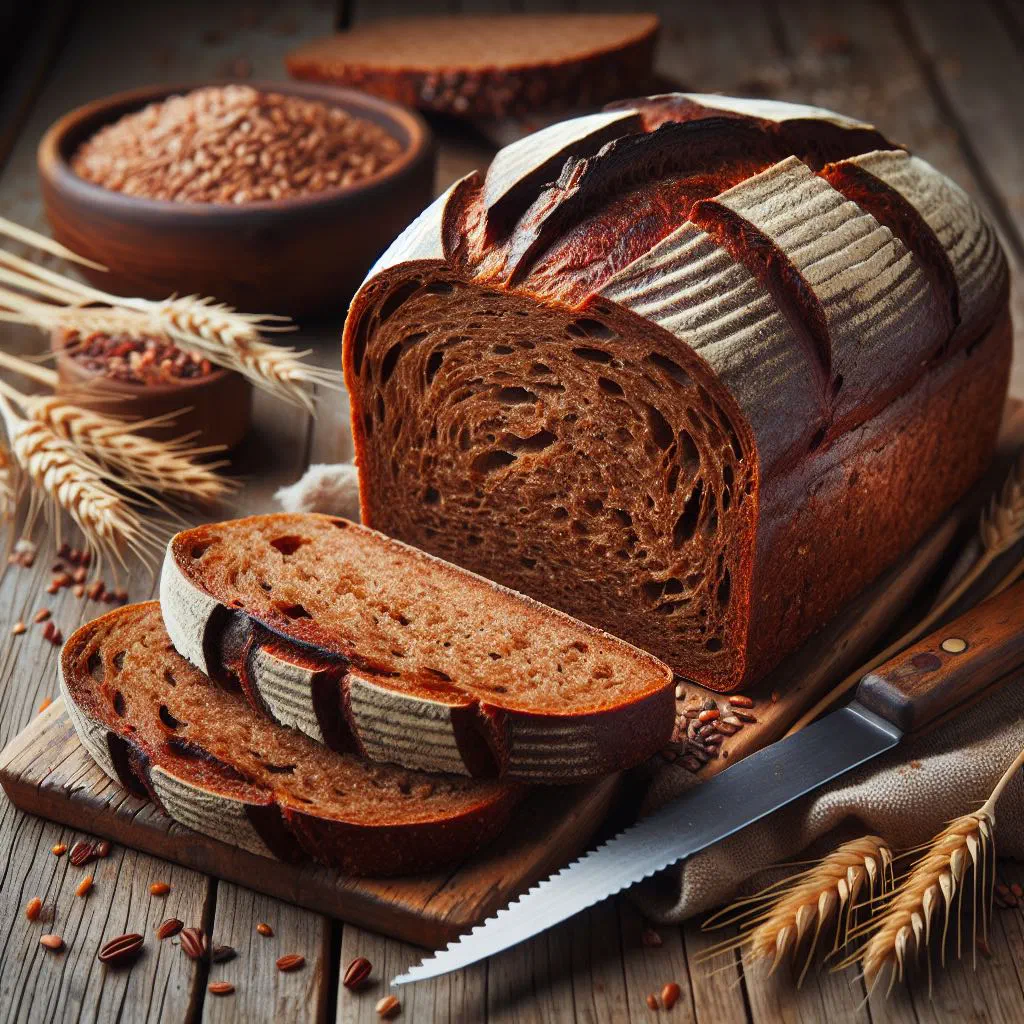
Discover Rye Bread, the hearty loaf at the heart of the German bread tradition. With its robust, earthy flavour and beautifully moist crumb, this is bread with real character, the kind that keeps you going through the morning and stands up to the most generous of toppings. Whether piled high for a sandwich or torn into chunks alongside a steaming stew, baking a proper rye loaf at home is one of the simplest and most rewarding kitchen rituals you can take up.
About Rye Bread
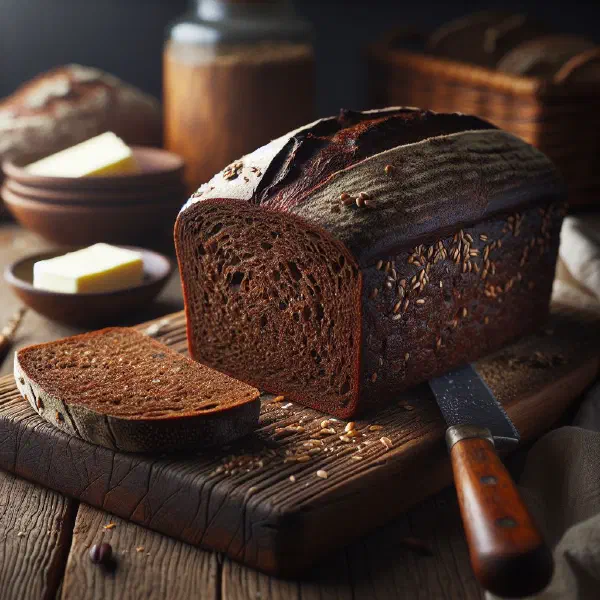
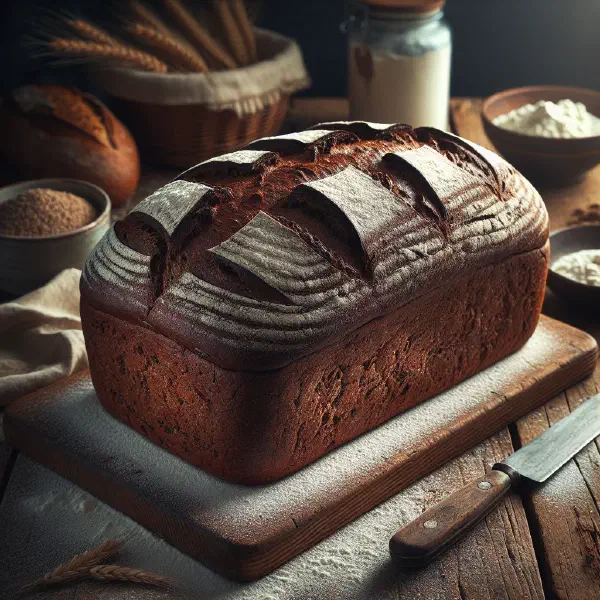
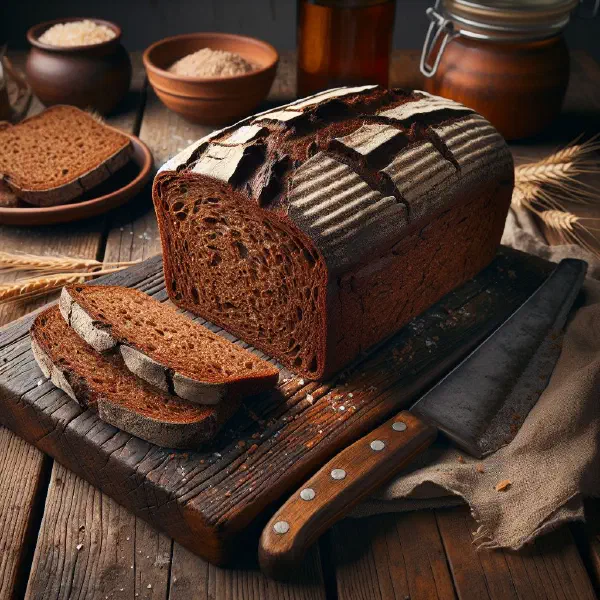
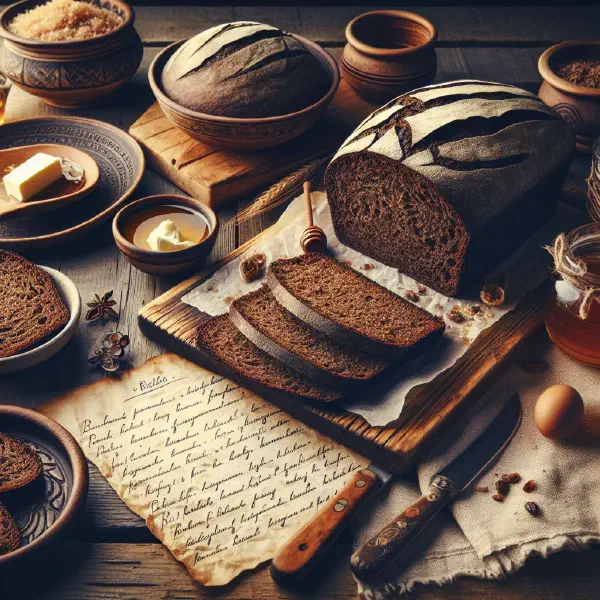
Rye Bread is a traditional German bread celebrated for its robust flavour and its moist, satisfying crumb. Far more than a humble staple, it is a wonderfully versatile loaf that suits countless meals. Its high nutritional value and the long-lasting fullness it gives have made it a firm favourite for generations. From a hearty breakfast to a side at the supper table, Rye Bread earns its place, and it has always been part of a rich tradition of German cuisine.
Ingredients (serves 1–2)
- 250 g rye flour
- 200 ml water
- 1 tsp salt
- 1 tsp honey or sugar
- 1/2 sachet dried yeast
- Optional: spices to taste (e.g. caraway or cumin)
Shopping for the ingredients
The ingredients for Rye Bread are easy to find in most supermarkets. Rye flour is usually stocked in the baking aisle, while water and salt are already to hand in any kitchen. Honey or sugar can also be swapped for other sweeteners according to taste. Do remember to pick up fresh dried yeast, as this makes all the difference to a good rise and the best results.
Preparing the dish
Before you start on the Rye Bread, set yourself up with a clean, tidy work surface. Have all the ingredients you need ready and within easy reach, and give the worktop a good wipe down. It is also worth bringing the water to a pleasantly warm temperature before you mix it with the yeast. This ensures the yeast activates properly and the loaf rises beautifully.
Step-by-step instructions
- In a bowl, stir the dried yeast together with the lukewarm water and the honey, then leave to rest for 10 minutes.
- In a separate bowl, combine the rye flour and the salt.
- Add the yeast mixture to the dry ingredients and knead everything together thoroughly.
- Leave the dough to rest in a warm place for about 1 hour, until it has doubled in size.
- Knead the dough once more and place it in a greased tin or shape it into a loaf.
- Leave to prove again for around 30 minutes.
- Preheat the oven to 200°C and bake the bread for 30–40 minutes.
- Once baked, leave the loaf to cool on a wire rack.
Gluten-free / lactose-free version
To make Rye Bread gluten-free, you can use a blend of gluten-free flours such as rice flour and buckwheat flour. It is also important to choose a gluten-free yeast. For a lactose-free loaf, simply stick to water and pick vegan alternatives for any sweetener. If you have specific dietary needs, it often helps to seek out a recipe that builds these adjustments in from the start, much as you would for a Sourdough Bread.
Tips for vegans and vegetarians
Rye Bread is naturally vegan, as it contains no animal products at all. That said, some recipes call for eggs or milk, so do take care to choose the right ingredients. When sweetening the dough, plant-based sweeteners such as maple syrup or agave nectar work beautifully. Plant-based fats can also be brushed over the bread to improve the flavour and keep the crumb wonderfully moist.
More tips and tricks
To make your Rye Bread especially aromatic, you can add a range of spices such as caraway or fennel seeds. For a particularly crisp crust, place a dish of water in the oven to create steam as the loaf bakes. When the bread is done, always let it cool on a wire rack to stop the base going soggy.
Adapting the recipe to your taste
Rye Bread recipes are highly adaptable and can be varied in all sorts of ways. You might, for example, add different types of flour or seeds to boost the nutritional value. The ratio of water to flour can also be adjusted depending on how dense or open you like the crumb. If you prefer a sweeter loaf, simply add a little extra sweetener to deepen the flavour, the same playful approach you might take with a festive Stuttgart Fruit Bread.
Ingredient substitutions
Instead of rye flour, you can also use wheat flour, though the flavour and texture of the bread will shift slightly towards something lighter. Honey can be replaced with agave nectar or sugar, depending on your preference and diet. If you have no dried yeast to hand, fresh yeast works just as well. Bear in mind, though, that the quantities and method may need adjusting when you make the switch.
Drink pairing ideas
Rye Bread is best matched with hearty drinks. Beers, such as a robust rye beer, amplify the flavour and pair together beautifully. For an alcohol-free option, apple juice or grape juice brings a pleasant fruitiness to the table. A cup of warming, spiced herbal tea also complements the aromas of the bread wonderfully.
Serving and presentation ideas
To present Rye Bread attractively, serve it in a lovely basket to play up the rustic charm of the loaf. Arrange a few fresh herbs or some vegetables alongside to add colour and freshness. A good olive oil or a little balsamic can be set out in a small dish for dipping. A lovingly laid table makes a meal built around Rye Bread all the more inviting. Try it next to a slice of dark Black Bread for a generous bread board.
A bit of history
Rye Bread has a long history in Germany and across other parts of Europe. Rye was originally prized for its hardiness and its reliability as a crop in cooler, poorer soils. It is a symbol of rural nourishment and has been baked across many cultures for centuries. Compared with wheat bread, Rye Bread has a denser texture and is especially nutritious, which made it an ideal choice for farming communities, a heritage it shares with the deeply baked loaf behind Westphalian Pumpernickel Soup.
More recipe ideas
Summary: Rye Bread
Rye Bread is a delicious and nourishing bread that is wonderfully easy to make at home. With its hearty texture and unmistakable aroma, it makes the perfect foundation for countless meals. Thanks to the many ways you can adapt and vary it, everyone can find their own ideal rye loaf. Let it inspire you, and savour the simple joy of baking your own bread.