National Dish Germany: Salt-Brined Pickles (Recipe)
In this article
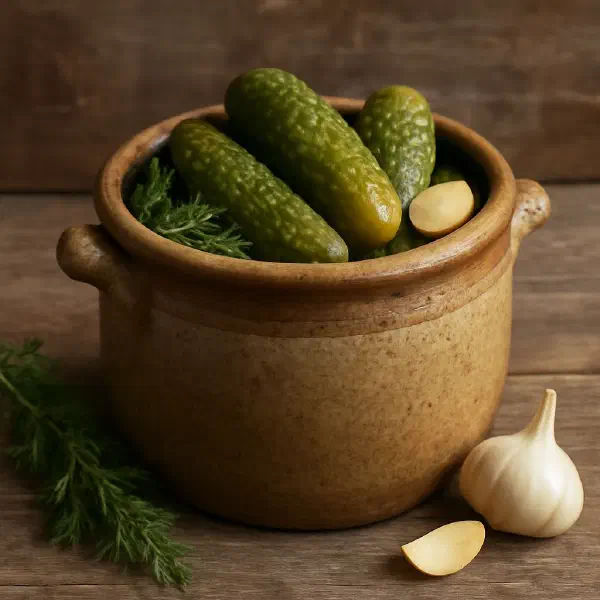
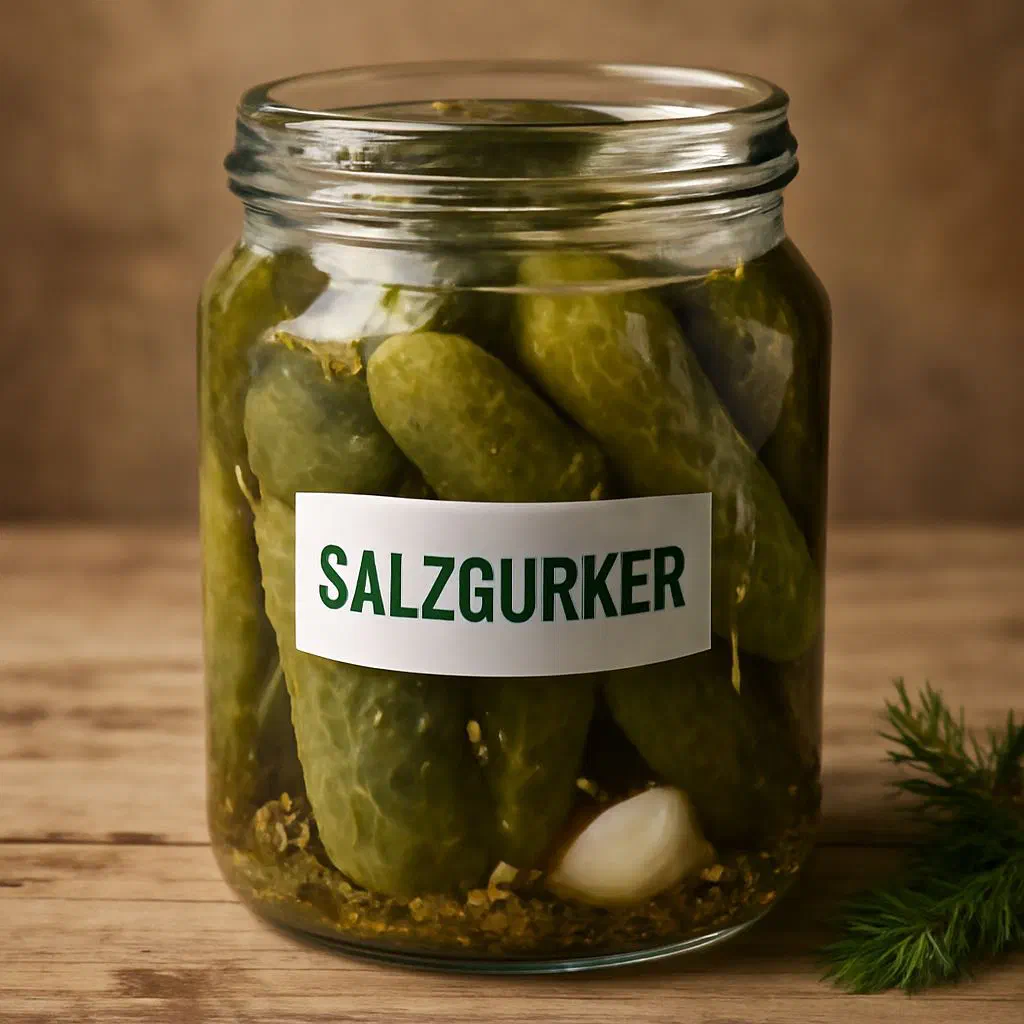
Step back in time with Salt-Brined Pickles, a much-loved staple of East German home cooking. Made with just cucumbers, salt, garlic and a fragrant blend of spices, these tangy beauties capture the no-fuss, make-do spirit of the old GDR kitchen. They keep beautifully in the fridge, add a sharp, savoury lift to potato dishes, and make a moreish snack straight from the jar. If you are chasing the taste of times past, it all comes down to the right cucumbers, a clean jar and a little patience.
About Salt-Brined Pickles
Salt-Brined Pickles are among the best-loved classics of eastern German cooking, prized for their simple larder appeal, robust seasoning and long shelf life. The GDR recipe traditionally relies on cucumbers, salt, spices and an aromatic brine that gives them their signature hearty, sour flavour. They are especially treasured for being just as good as a side dish alongside potatoes as they are as a snack between meals. Anyone hoping to recreate the taste of the old days pays close attention to the right variety of cucumber, scrupulously clean preparation and plenty of time to let them mature.
Ingredients (serves 1–2)
- 300–400 g pickling cucumbers (as small and firm as possible)
- 250 ml water
- 1 heaped tsp salt (about 8–10 g)
- 1 tbsp vinegar (5%, optional, for a little extra sharpness)
- 1–2 garlic cloves
- 1 tsp mustard seeds
- 4–6 peppercorns
- 1 small piece of horseradish or 1–2 slices (optional, for bite)
- 1–2 sprigs of dill (or 1 tsp dill tips)
- 1 small bay leaf (optional)
Shopping for the ingredients
For good salt-brined pickles, fresh pickling cucumbers are the key, as larger salad cucumbers quickly turn soft and release too much water. When shopping, look for a firm skin, even sizing and no bruises, because this noticeably improves how well they keep in the jar. Dill gives the brine its characteristic fragrance, and fresh dill in particular makes a real difference to the flavour. Mustard seeds, pepper and optional horseradish are usually easy to find in any supermarket, though a spice shop often stocks more aromatic qualities.
Preparing the dish
Before pickling, the cucumbers should be washed thoroughly so that no soil or flower remnants cloud the brine or introduce unwanted bacteria. Trim the ends back just slightly, as this is often where bitter compounds sit, which can affect the flavour. Jars and lids should be scrupulously clean; it is best to rinse them in hot water or briefly douse them with boiling water to work hygienically. Crushing the garlic, laying out the dill and measuring the spices means everything goes into the jar swiftly and the cucumbers do not sit around unnecessarily.
Step-by-step instructions
- Heat the water in a small pan and dissolve the salt in it completely so you have a clear brine.
- Stir in the vinegar if you like your salt-brined pickles a little sharper.
- Pack the cucumbers tightly into a clean jar, distributing the dill, garlic, mustard seeds, peppercorns and, if using, horseradish and bay leaf in between.
- Pour the hot brine over the cucumbers until everything is covered; the cucumbers should not poke out of the liquid.
- Seal the jar and let it cool to room temperature, then transfer it to the fridge.
- Leave to steep for at least 24–48 hours; they grow more aromatic after 3–5 days.
Gluten-free / lactose-free version
This recipe is naturally gluten-free and lactose-free, as it uses neither cereal products nor dairy. The only thing to watch is shop-bought ingredients such as vinegar or spice blends, since some products contain carriers or flavourings that could harbour traces. If you are very sensitive, use pure spirit vinegar and unprocessed spices such as mustard seeds and peppercorns. It is also worth checking the label on horseradish if you use a jarred product instead of fresh. Made this way, these pickles slot neatly into any allergy-conscious larder, much like a careful approach to Wine Sauerkraut.
Tips for vegans and vegetarians
Salt-brined pickles fit beautifully into a vegan or vegetarian diet, since they manage without any animal ingredients while still delivering punchy seasoning. They are especially handy as a counterpoint to mild dishes such as mashed potato, rice or lentil dishes, because their acidity and saltiness lift the overall flavour. If you prefer things heartier, you can play with garlic, dill and horseradish to create a wonderfully aromatic side. Just make sure the vinegar you use is genuinely vegan (it usually is) and that no honey additives lurk in any flavoured products.
More tips and tricks
For extra-crunchy cucumbers, it helps to soak them in cold water for 30 minutes before pickling, especially on hot summer days. Make sure the cucumbers are completely covered by the brine, because contact with air can soften the surface and alter the flavour. If you want a more intense seasoning, add a little more dill and a few extra mustard seeds, but do not overdo the pepper and bay leaf, as they quickly dominate. A clean rim on the jar and a tightly fitting lid are important so the brine does not leak and the cucumbers can steep reliably.
Adapting the recipe to your taste
Depending on your taste, you can set up the salt-brined pickles saltier or milder by raising or lowering the salt slightly. For more acidity, an extra splash of vinegar does the trick, while for a softer sourness you can let the brine mature a little longer before you taste. If you like things spicier, add a small pinch of chilli flakes or a piece of ginger; these versions are not classic but work very well. The steeping time is another lever too: after 2 days they are fresh and crisp, while after a week they are noticeably rounder and more intense.
Ingredient substitutions
If you cannot get hold of fresh dill, dried dill tips are a good alternative, though fresh dill usually stays more aromatic. Horseradish can be replaced with a small piece of ginger or an extra garlic clove if you only want a gentle kick of heat. Instead of spirit vinegar, you can use mild apple vinegar, which brings a fruitier note and pairs particularly well with hearty dishes such as Bratkartoffeln. Mustard seeds can be replaced at a pinch with a little mustard powder, although the brine then turns cloudy more quickly and the dose should be kept very sparing.
Drink pairing ideas
Salt-brined pickles go well with drinks that either refresh or accompany their hearty character. Sparkling water with lemon or an unsweetened herbal tea works beautifully, as they do not mask the seasoning and cleanse the palate. For something more traditional, serve them alongside a mild beer or an alcohol-free malt drink, since the gentle sweetness harmonises nicely with the acidity. For a summery option, a homemade spritzer, apple or blackcurrant, say, pleasantly balances out the salty note.
Serving and presentation ideas
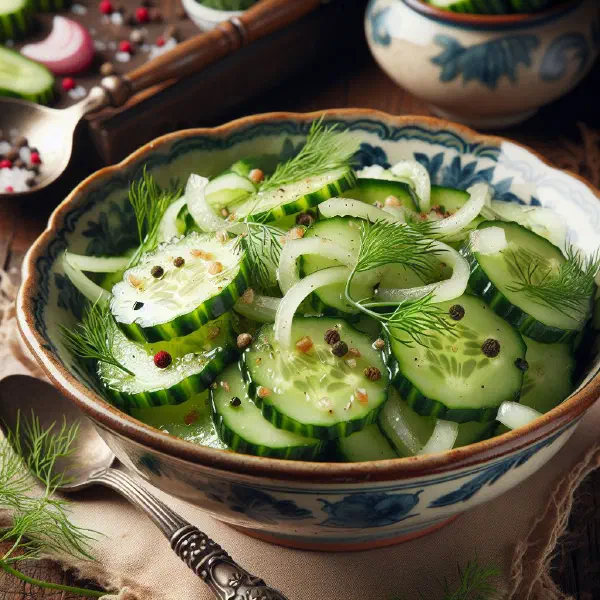
Serve salt-brined pickles well chilled and, depending on the occasion, cut them into slices, batons or halved cucumbers so they are easy to eat. It looks lovely if you scatter over a little fresh dill and a few mustard seeds from the jar, as this instantly shows off the homemade touch. On a small platter, these pickles are superb with bread, potatoes or spreads, especially when paired with onion rings. If you have guests, use a little dish for the brine to dip or drizzle, as the brine carries plenty of flavour and is often underrated.
A bit of history
Pickled cucumbers have a long tradition in Germany, because preserving and fermentation were once important ways of making vegetables available all year round. In the GDR, salt-brined pickles were especially popular, as they needed only a handful of ingredients and were made at home in many households. The typical combination of salt, dill, garlic and spices turns plain cucumbers into a robust, aromatic jar for the larder, the same thrifty spirit you find across much of German cuisine. The details varied by region and family, such as the strength of the salt brine, the use of horseradish, or whether extra vinegar was added for more acidity.
More recipe ideas
- Wine Sauerkraut
- Sauerkraut and Potato Bake
- Bamberg Potato Salad
- Dripping Bread with Onions
- Saxon Potato Soup
Summary: Salt-Brined Pickles
Salt-Brined Pickles in the GDR style are a fuss-free, aromatic side that needs only a few ingredients yet still tastes intense. The keys are firm pickling cucumbers, a meticulously prepared jar and a well-balanced brine of salt, dill, garlic and spices. After a short steeping time the cucumbers are already delicious, but they gain real depth and seasoning after a few days. With small adjustments to salt, vinegar and spices, the recipe is easily tuned to your own taste without losing its classic character.