National Dish Germany: Sand Cake (Recipe)
In this article
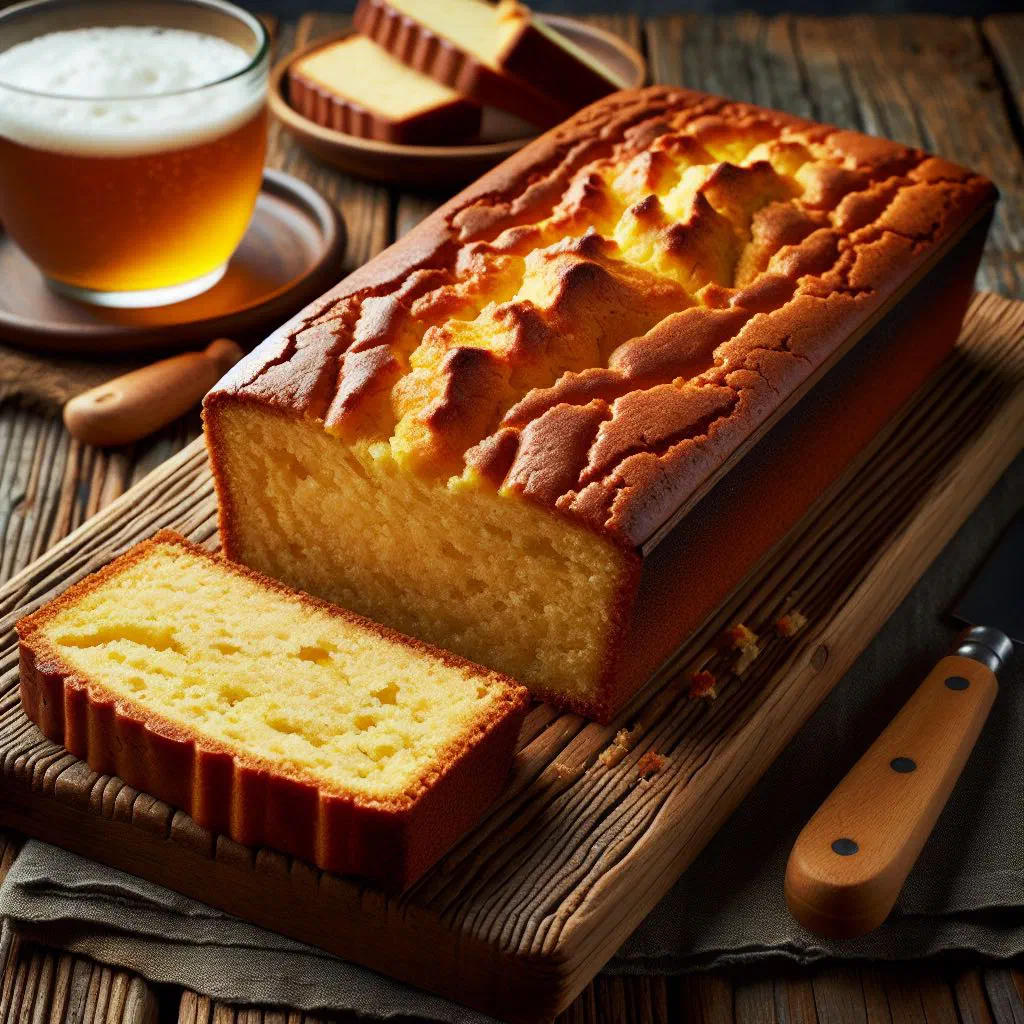
There is something wonderfully nostalgic about a slice of Sand Cake with an afternoon coffee. This classic German loaf takes its name from its fine, slightly crumbly texture, and it has been gracing family coffee tables for generations. With only a handful of everyday ingredients and a few simple steps, it turns out tender, golden and quietly comforting every single time. It is the sort of bake that fills the kitchen with the warm scent of vanilla and brings everyone running.
About Sand Cake
Sand Cake is a traditional German bake, so named for its delicately crumbly yet fine texture. This straightforward recipe is perfect for any occasion, whether for a cosy afternoon coffee gathering or as the highlight of a buffet table. With just a few ingredients and wonderfully simple steps, anyone can conjure up a delicious sand cake in next to no time. It belongs to the great family of German loaf cakes and remains a firm favourite alongside other classics of German cuisine.
Ingredients (serves 1–2)
- 200 g butter or margarine
- 200 g sugar
- 1 sachet vanilla sugar
- 4 eggs
- 200 g flour
- 1 teaspoon baking powder
- 2 tablespoons milk
- Optional: icing sugar, for dusting
Shopping for the ingredients
The ingredients for sand cake are available in any well-stocked supermarket. When buying the butter or margarine, look for good quality, as this has a real influence on the flavour of the cake. The same goes for the eggs, where freshness makes all the difference. Many shops also stock regional products, which often offer noticeably better quality and are well worth seeking out.
Preparing the dish
Before you start baking, all the ingredients should be brought to room temperature so they combine smoothly. This is especially important for the butter or margarine and the eggs. Preheat your oven to 180 degrees Celsius and grease a loaf tin thoroughly. Alternatively, you can line the tin with baking paper for an easy release later on.
Step-by-step instructions
- Beat the butter or margarine until creamy, then gradually add the sugar and vanilla sugar.
- Stir in the eggs one at a time until you have a smooth, homogeneous mixture.
- Mix the flour with the baking powder and fold it into the batter, alternating with the milk.
- Spoon the batter into the prepared loaf tin and smooth the top.
- Bake in the preheated oven for about 60 minutes. Test with a skewer to make sure the cake is baked through.
- Take the cake out of the oven, leave it to cool briefly, then turn it out of the tin.
- Optionally dust with icing sugar and leave to cool completely.
Gluten-free / lactose-free version
For a gluten-free version, you can swap the wheat flour for gluten-free flour, which is widely available in supermarkets and health-food shops. It can help to use a baking powder formulated specifically for gluten-free baking. If you are lactose intolerant, replace the butter or margarine with lactose-free alternatives and use plant-based milk such as soya or almond milk in place of the dairy milk.
Tips for vegans and vegetarians
Sand cake also lends itself beautifully to a vegan version. Replace the butter with vegan margarine and the eggs with plant-based egg substitutes. Apple sauce or mashed banana works wonderfully as an egg replacement, lending moisture and a gentle natural sweetness. Use plant-based milk here too, in place of the dairy milk in the original recipe, and you will have a fully plant-based sand cake in no time at all.
More tips and tricks
To vary the flavour of your sand cake, you can enrich the batter with a few extra touches. A dash of rum, a little lemon zest or a handful of raisins can all give the cake a special character. The dusting of icing sugar can also be swapped for a simple glaze or a scattering of chopped nuts. Experiment with different additions to create your very own favourite sand cake.
Adapting the recipe to your taste
The basic sand cake recipe can be adapted in countless ways. If you like it extra moist, stir a little yoghurt or quark into the batter. Adding dried fruit such as apricots or cranberries gives the sand cake an extra dimension, much like the fruit-studded charm of a Stuttgart Fruit Bread.
Ingredient substitutions
If you would rather leave out certain ingredients, there are plenty of alternatives. Instead of butter you can use margarine or vegetable oils. Sugar can be replaced with alternatives such as coconut blossom sugar, xylitol or erythritol. Some recipes also add ground almonds or hazelnuts to round off the flavour harmoniously and give the crumb a pleasing texture, a trick shared with the much-loved Silesian Streusel Cake.
Drink pairing ideas
Sand cake pairs beautifully with a range of drinks. Traditionally it is served with coffee or tea. A glass of milk or a mug of hot chocolate are also popular companions. If you are entertaining guests, you could even offer a light white wine or a glass of sparkling wine alongside. Fruity drinks such as juice spritzers go particularly well with a moist slice of sand cake.
Serving and presentation ideas
A beautifully presented sand cake makes an even greater impression. Serve it on a pretty cake plate and garnish with fresh berries or edible flowers. Displaying it on a decorative cake stand also looks splendid. If you like, you can slice the cake in advance and finish each plate individually with a little flower or a small chocolate decoration.
A bit of history
Sand cake is one of Germany’s traditional bakes and has a long history. It dates back to a time when baking still took place in hand-fired ovens on farms and in small bakeries. This simple yet delicious cake was often baked for festivals and special occasions. Today it holds its place as a classic of German baking, lovingly made and enjoyed across the generations alongside treats like the Egg Liqueur Cake.
More recipe ideas
Summary: Sand Cake
Sand cake is a simple yet thoroughly delicious bake that suits a whole range of occasions. Thanks to its many possibilities for adaptation, it can be tailored effortlessly to personal preferences and dietary needs. Whether classic, gluten-free, lactose-free or vegan, this recipe delivers a perfect sand cake every time. With just a few ingredients and easy steps, it is an ideal baking project for beginners and seasoned bakers alike.