National Dish Germany: Sauerkraut (Recipe)
In this article
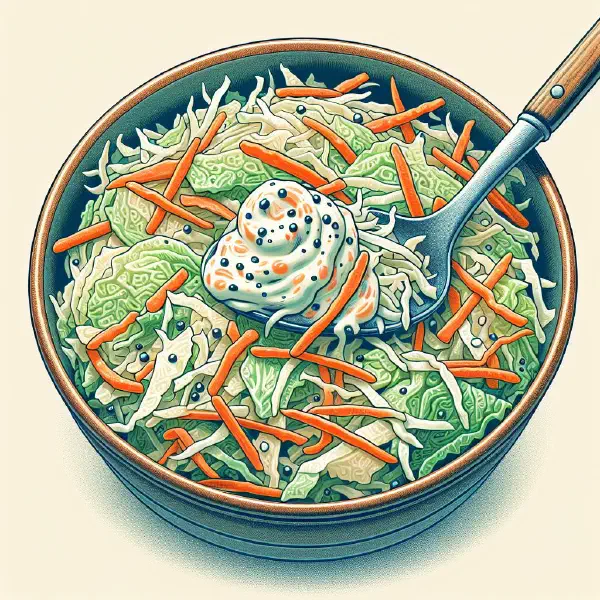
Discover Sauerkraut, one of Germany’s most enduring culinary icons. Made simply from finely shredded white cabbage and salt, this tangy fermented dish carries a deep, savoury bite alongside a host of health benefits. As a naturally probiotic food it has nourished German tables for centuries, and the best news is that you can make it at home with almost nothing in the way of equipment. Let a humble cabbage transform into something genuinely special.
About Sauerkraut
Sauerkraut is a traditional German dish made by fermenting finely shredded white cabbage. It is prized for its distinctive, hearty tang and for its many health benefits. Fermented foods like sauerkraut are rich in probiotics and help support a healthy gut, which is part of why this old-fashioned preserve has stood the test of time. In this article we will show you just how easy it is to make sauerkraut yourself, using only a couple of everyday ingredients and a little patience.
Ingredients (serves 1–2)
- 1 medium head of white cabbage (about 1 kg)
- 20 g salt
- Optional: 1 teaspoon caraway seeds
Shopping for the ingredients
When shopping for the ingredients, take care to choose a fresh, firm head of white cabbage. Fresh cabbage has crisp, green leaves and feels heavy for its size. Salt is available in any supermarket, and you will find caraway seeds in the spice aisle. With these few basics in your basket, you are perfectly set up to make sauerkraut at home.
Preparing the dish
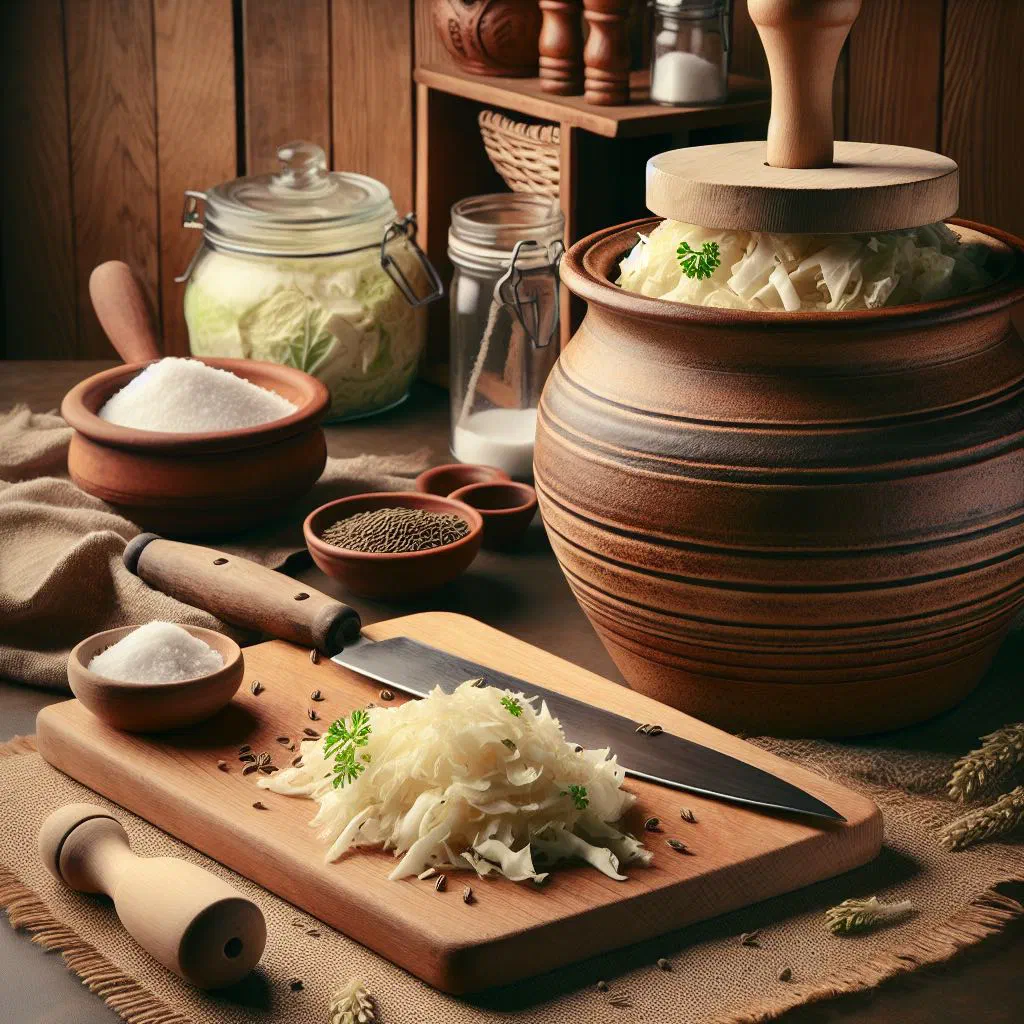
Before you begin, wash the white cabbage thoroughly and remove the outer leaves. Next, shred the cabbage into fine strips using a sharp knife or a vegetable mandoline. Be sure to cut out the core, as it can taste bitter and is too tough to ferment well.
Step-by-step instructions
- Place the finely shredded white cabbage in a large bowl.
- Add the salt and work it in well with your hands. The salt draws the liquid out of the cabbage, which is essential for the fermentation process.
- Keep massaging the cabbage until it softens and releases its own juice.
- If you like, add the caraway seeds and mix them through.
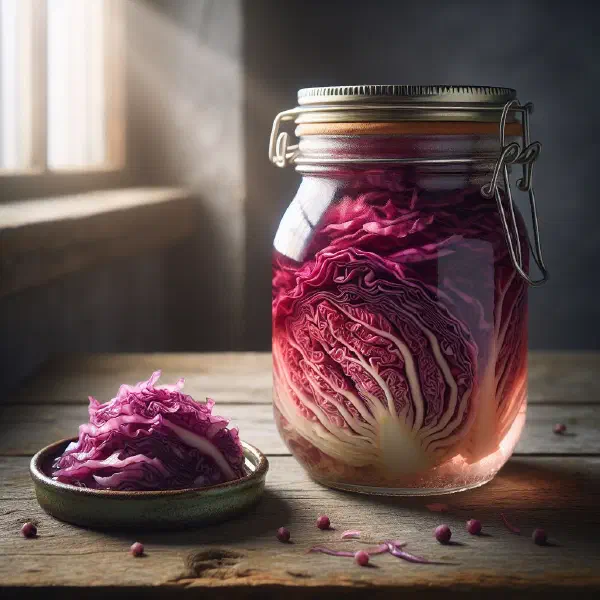
- Pack the cabbage tightly into a preserving jar or other suitable container, so that the liquid completely covers it.
- Weigh the cabbage down with something heavy to keep it submerged under the liquid, then close the jar loosely.
- Set the container in a cool, dark place and let the sauerkraut ferment for 1 to 4 weeks.
- Check on it regularly to make sure it stays covered with liquid, and skim off any mould that forms on the surface.
Gluten-free / lactose-free version
Sauerkraut is naturally gluten-free and lactose-free, which makes it an excellent choice for anyone with these intolerances. The only thing to watch is the spices: when buying caraway or any seasoning, check that it contains no additives that might harbour gluten or lactose. Beyond that, this dish is one of the simplest ways to enjoy a wholesome, fermented food without compromise.
Tips for vegans and vegetarians
Sauerkraut is a thoroughly vegan dish that works beautifully either as a side or as the foundation of a wide range of plant-based meals. Pair it with other fermented foods, or use it as a base for vegan bowls and salads. Its bright acidity cuts through richer dishes and brings a welcome lift to everyday cooking, much like the tang you find in Apple Red Cabbage.
More tips and tricks
Remember that the fermentation process depends heavily on room temperature. In warmer conditions the sauerkraut ferments faster, while in cooler conditions it takes longer. Once it has reached the flavour you are after, move it to the fridge to slow the fermentation right down and keep it at its best. Tasting as you go is the surest way to catch it at exactly the tang you prefer.
Adapting the recipe to your taste
You can easily adjust the basic recipe to suit your own preferences by adding further spices or herbs. Popular options include bay leaves, juniper berries or mustard seeds, each of which lends its own character to the finished kraut. Experiment a little to find the perfect note for your sauerkraut, half the fun is making it your own.
Ingredient substitutions
If you do not have white cabbage to hand, you can use other varieties such as red cabbage or savoy instead. The result may vary slightly, but the fermentation process stays the same. Adding a few strips of carrot can be interesting too, lending a touch of natural sweetness and colour, a trick that also suits a dish like Holstein Turnip Mash. Substitutions like these let you adapt the recipe to whatever you have available.
Drink pairing ideas
Sauerkraut pairs wonderfully with a variety of drinks. A robust beer such as a Pils or a wheat beer is usually a very good match, echoing the dish’s deep, savoury character. If you would rather skip the alcohol, sauerkraut also goes nicely with apple or grape juice, whose gentle sweetness helps balance its lively acidity.
Serving and presentation ideas
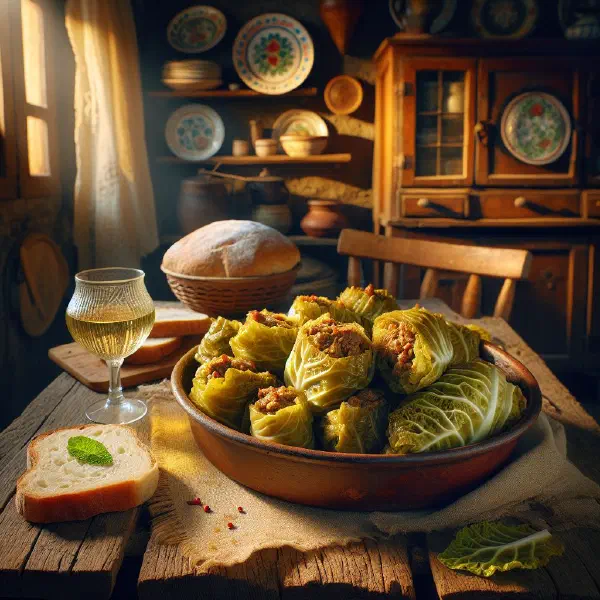
Present your homemade sauerkraut in a rustic preserving jar or a handsome bowl. Garnish it with fresh herbs such as parsley or chives for a little colour. Serve it alongside other German specialities like Franconian Bratwurst or Authentic Thuringian Dumplings to create a complete and inviting plate that really shows off the breadth of German cuisine.
A bit of history
Sauerkraut has a long history and has been made in Germany and across other parts of Europe for centuries. It was an especially important source of vitamins in winter, since it stayed rich in nutrients even after months in storage. The fermentation technique was refined over the generations, and today sauerkraut is known and appreciated all over the world as one of the defining flavours of German cuisine.
More recipe ideas
Summary: Sauerkraut
Making sauerkraut is a rewarding and healthy addition to your diet. With just a couple of ingredients and a few simple steps, you can prepare a delicious, fermented food that delivers on both flavour and well-being. Give it a go and experience the unmistakable, tangy taste of homemade sauerkraut, a true German classic that proves the best things often come from the simplest beginnings.