National Dish Germany: Schnitzel (Recipe)
In this article
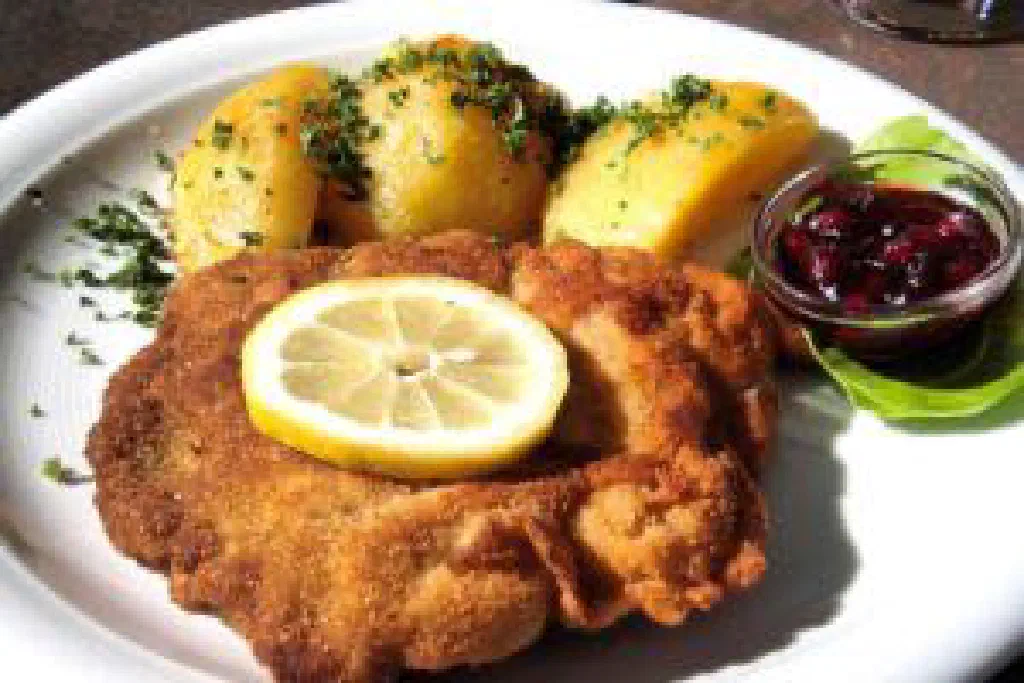
Few dishes say “German comfort food” quite like the Schnitzel. This crisp, golden cutlet, a thin slice of meat coated in breadcrumbs and fried until shatteringly crunchy, is loved by locals and visitors alike, and is often hailed as the country’s national dish. Tender on the inside and beautifully crisp on the outside, it is the kind of homely classic that turns an ordinary supper into something to look forward to. With a little care and the right technique, you can recreate this beloved favourite in your own kitchen.
About Schnitzel
Schnitzel is one of the most recognisable dishes in German cuisine, prized for its very good texture and its wonderfully simple preparation. At its heart is a thin slice of pork or veal, gently pounded flat, dredged in flour, egg and breadcrumbs, then fried to a deep golden brown. Though its origins lie just over the border in Austria, it quickly became a fixture of the German table, with countless regional variations developing over time. Crisp outside and tender within, it is a hearty, satisfying dish enjoyed by young and old alike.
Ingredients (serves 1–2)
- 4 thinly sliced cutlets (pork or veal)
- 2 eggs
- 150 g breadcrumbs
- Salt and pepper, to taste
- Plain flour, for dusting
- Lemon slices (optional)
- Oil or clarified butter, for frying
Shopping for the ingredients
When shopping for schnitzel, it pays to choose good-quality meat for the best results. A trip to a trusted butcher will get you nicely cut pork or veal cutlets, ideally sliced thin and ready to pound. Most other ingredients, breadcrumbs, eggs and flour, are everyday store-cupboard staples that any supermarket will carry. For frying, look out for clarified butter, which gives a particularly rich, traditional flavour.
Preparing the dish
Preparing schnitzel takes a little groundwork so everything comes together quickly once you start frying. Begin by setting up a simple breading station: one plate of flour, a shallow bowl of beaten egg, and a plate of breadcrumbs. Pat the cutlets dry and pound them flat before you start. A tidy, well-organised work surface makes the coating process far easier and keeps things relaxed and stress-free.
Step-by-step instructions
- Gently pound the cutlets flat with a meat mallet or the back of a knife until they are thin and tender.
- Season the cutlets on both sides with salt and pepper.
- Beat the eggs in a shallow bowl and tip the breadcrumbs onto a separate plate.
- Dredge each cutlet in flour first, coating it evenly all over.
- Next, draw the cutlets through the beaten egg, making sure they are fully coated.
- Press the cutlets into the breadcrumbs, covering them completely on both sides.
- Heat the oil or clarified butter in a pan and fry the schnitzel over medium heat until golden brown on each side.
- Once fried, rest the schnitzel briefly on kitchen paper to drain off any excess oil.
- Serve the schnitzel hot with sides such as potato salad, chips or mixed vegetables, and a wedge of lemon to squeeze over for a refreshing lift.
Gluten-free / lactose-free version
Schnitzel is surprisingly easy to make gluten-free. Simply swap the regular flour and breadcrumbs for certified gluten-free alternatives, ground cornflakes or gluten-free panko work beautifully and stay every bit as crisp. For a lactose-free version, fry in a neutral oil rather than clarified butter. With these small swaps, anyone with a gluten intolerance or dairy sensitivity can enjoy this classic without missing out.
Tips for vegans and vegetarians
A meat-free schnitzel is well within reach for vegetarians and vegans alike. Thick slices of celeriac, large mushrooms or firm tofu make excellent stand-ins for the meat, taking on the same crisp golden crust. For a fully vegan coating, replace the beaten egg with a plant-based milk thickened with a little flour or cornflour. Season generously and you will have a cutlet that is just as satisfying as the original.
More tips and tricks
To get the most out of your schnitzel, make sure the oil is properly hot before the meat goes in. This is what gives you that signature crisp, golden crust rather than a greasy coating. Don’t crowd the pan; fry one or two cutlets at a time so the temperature stays high. A gentle shake of the pan helps the breadcrumbs puff up into the prized wavy, soufflé-like crust. Serve straight away, while the coating is at its crispest.
Adapting the recipe to your taste
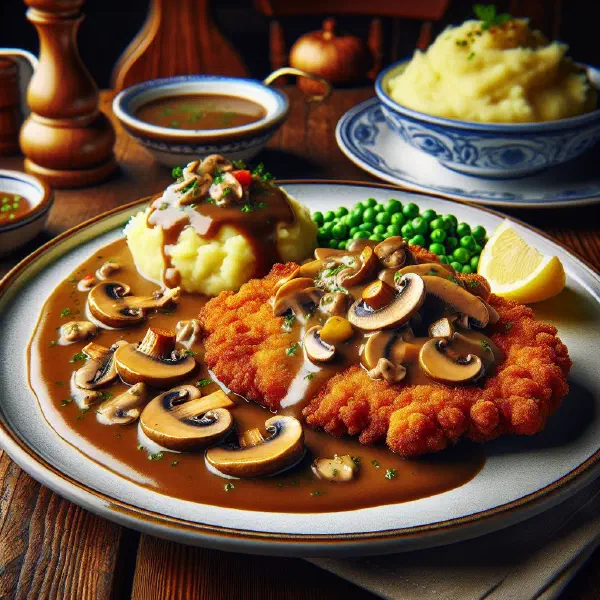
Schnitzel is wonderfully versatile and easy to tailor to personal taste. Press a little grated lemon zest or a pinch of paprika into the breadcrumbs for extra aroma, or top the finished cutlet with a rich mushroom sauce for a heartier meal. The choice of meat is yours, too, pork for an everyday supper, veal for something more refined. This way you can create a schnitzel that suits exactly the occasion and your own preferences.
Ingredient substitutions
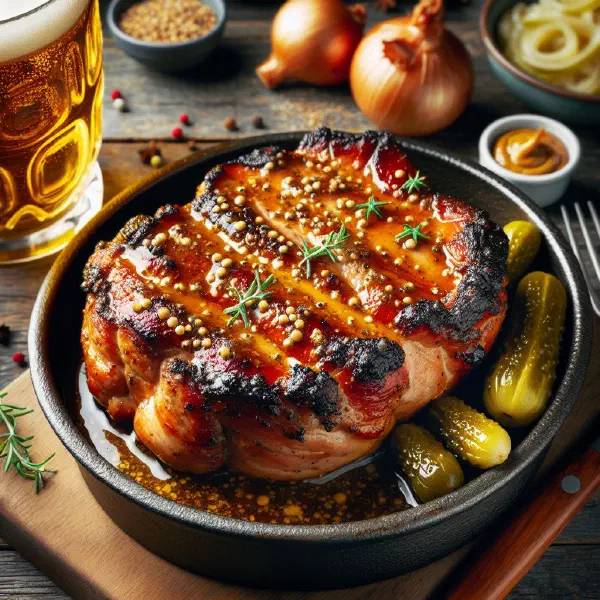
If certain ingredients are not to hand, there are plenty of creative alternatives. Chicken or turkey breast makes a lighter cutlet in place of pork or veal, while panko breadcrumbs give an even crunchier finish than the standard kind. A dusting of cornflour in place of plain flour helps the coating cling beautifully. The same crisp, pan-fried approach shines through in classics like Onion Steak, so feel free to adapt the recipe to what you have to hand.
Drink pairing ideas
A range of drinks pairs nicely with schnitzel and complements its rich, savoury crust. A crisp German lager or a glass of dry Riesling are the classic choices, cutting cleanly through the fried coating. For a non-alcoholic option, sparkling apple juice or a sharp lemonade offers the same refreshing lift as the traditional squeeze of lemon. A cool glass of mineral water rounds out the meal nicely.
Serving and presentation ideas
Presentation can lift the whole schnitzel experience. Lay the golden cutlet on a warm plate and finish it with a wedge of lemon and a sprig of parsley for a touch of colour. Classic sides such as potato salad, chips or buttered vegetables complete the picture and add to both the look and the flavour. Arranging everything on a generous platter with bright, fresh garnishes creates a truly inviting spread.
A bit of history
Schnitzel has its roots in Austrian cuisine, but it quickly became a firm fixture of German food culture. The practice of breading and frying a thin slice of meat can be traced back to the 19th century, with the famous Wiener Schnitzel, made from thinly pounded veal, serving as the model for the many regional variations that grew up across Germany. Today the classic Wiener Schnitzel sits alongside favourites such as Jägerschnitzel and the once-popular paprika-sauced version, all firm favourites of German cuisine.
More recipe ideas
Summary: Schnitzel
Schnitzel is undoubtedly a classic of German cuisine. With its crisp golden exterior and tender meat within, it is enjoyed by young and old alike. Originally from Austria, it has long since found its way into the hearts and stomachs of the German people. With this detailed guide you can now prepare your own schnitzel at home and savour the unique taste of this traditional dish. Let this German favourite inspire you and give it a try, your taste buds will thank you. Guten Appetit.