National Dish Germany: Sour Eggs (Recipe)
In this article
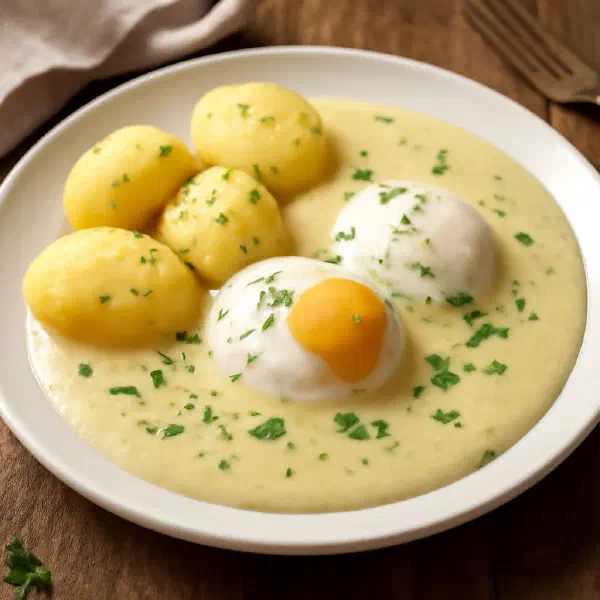
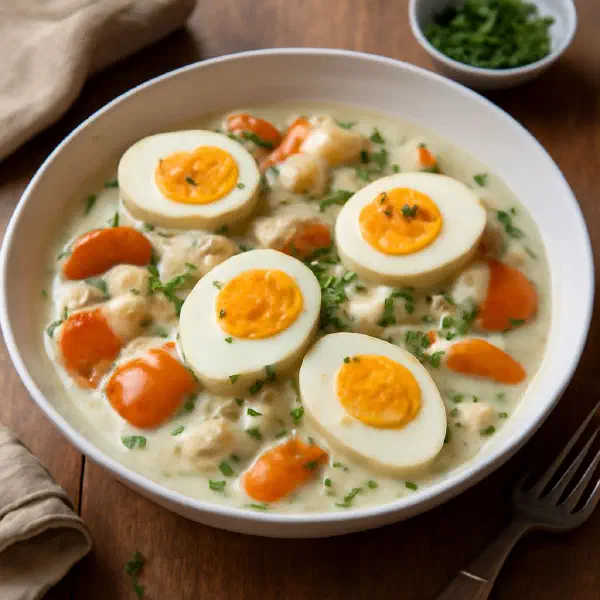
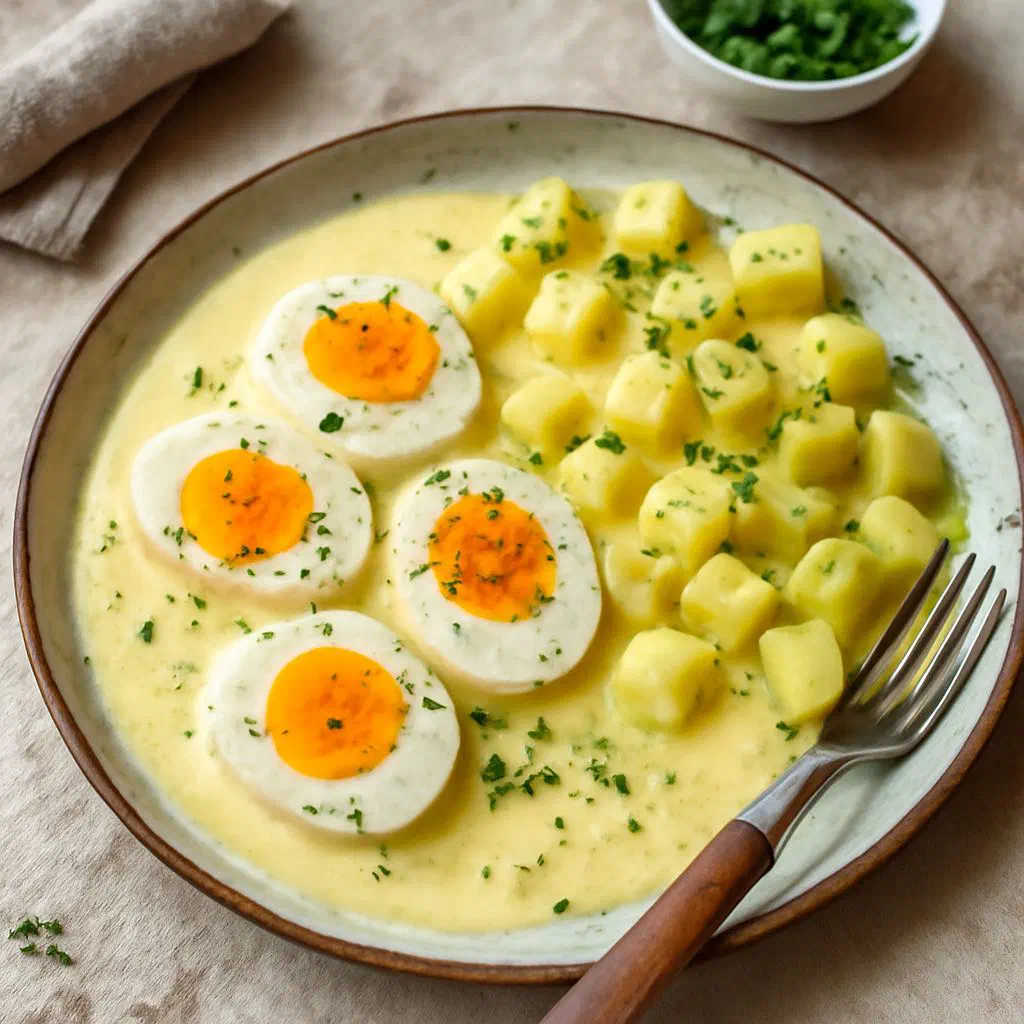
Meet Sour Eggs, one of Germany’s most cherished pieces of everyday home cooking and a true icon of the old GDR kitchen. Halved hard-boiled eggs are bathed in a glossy mustard-and-vinegar sauce that strikes a pleasing balance between sweet and tangy, then served alongside floury potatoes that soak up every last drop. It is the kind of thrifty, dependable dish that turns a handful of storecupboard staples into a warming, satisfying meal. Proof that good food need not be complicated or costly.
About Sour Eggs
Sour Eggs are among the best-known examples of German home cooking, and they are especially closely tied to the everyday food of the former GDR. The dish rests on a simple but winning combination: hard-boiled eggs in a velvety mustard-and-vinegar sauce that tastes pleasantly sweet and sour and fills you up in no time. They are most often served with potatoes or salted potatoes, which let the sauce really shine. People love this dish because it needs only a few ingredients, comes together reliably and makes for a thoroughly budget-friendly meal in the everyday rush, much like a comforting bowl of Eggs in Mustard Sauce, its close cousin.
Ingredients (serves 1–2)
- 4 eggs
- 30 g butter (or 2 tablespoons neutral oil)
- 25 g plain flour (or gluten-free flour or cornflour)
- 350 ml water or vegetable stock
- 80–100 ml vinegar (mild, e.g. cider vinegar or herb vinegar)
- 1–2 tablespoons mustard (medium-hot)
- 1 tablespoon sugar (more or less, to taste)
- 1 bay leaf
- 4–6 peppercorns (or a little ground pepper)
- Salt
- Optional: 1 small onion, finely diced
- Optional: 1–2 gherkins, finely diced
Shopping for the ingredients
When you shop, it pays to look out for fresh eggs, as they largely determine both the texture and the flavour of the finished dish. A mild vinegar is best for the sauce, otherwise the whole thing can quickly turn too sharp or stinging. Ideally the mustard should be medium-hot, so the sauce becomes nicely savoury without masking its delicate sweetness. If you would like to add gherkins or onion, buy them deliberately as an optional extra, because the base recipe works very well without them too.
Preparing the dish
The first job is to cook the eggs, so that later on they only need warming through in the sauce. Boil them hard (about 9–10 minutes), then plunge them into cold water to make them easier to peel. While the eggs cool, you can already measure out and lay out everything for the sauce, since the cooking moves along quickly from here. If you want to use onion or gherkins, cut them now into fine dice so they spread evenly through the sauce.
Step-by-step instructions
- Hard-boil the eggs, cool them under cold water, peel and either halve or leave whole.
- Melt the butter in a pan (or heat the oil) and, if using, gently sweat the diced onion until translucent.
- Stir in the flour and let it cook for 1 minute without taking on much colour.
- Gradually pour in the water or stock while stirring, so no lumps form.
- Add the vinegar, mustard, sugar, bay leaf and peppercorns, then let the sauce simmer gently for 5–8 minutes.
- Season with salt, a little more mustard or a touch of sugar until the sweet-and-sour balance is just right.
- Slide the eggs into the sauce and let them warm through over low heat for 2–3 minutes (do not let it boil rapidly).
- Stir in the diced gherkins if using and serve straight away, for example with potatoes.
Gluten-free / lactose-free version
For a gluten-free version, the easiest swap is to replace the wheat flour with cornflour or a gluten-free flour blend. Cornflour is best stirred into a little cold water first, then added to the hot liquid, which gives a particularly smooth sauce. If you want to cook lactose-free, simply use lactose-free butter or neutral oil instead of butter, as the sauce works just as well that way. Do also check the labels on your stock and mustard, since some products can contain hidden traces of gluten or milk.
Tips for vegans and vegetarians
The dish is vegetarian as it stands, as long as you use a vegetable stock rather than meat stock and check the ingredients on any gherkins. For a vegan interpretation you can replace the eggs with tofu, ideally a firm plain tofu cut into slices and briefly pan-fried. Another option is to recreate that “egg-salad” feeling with boiled potato pieces or cauliflower florets, warmed through in the sauce so they fill you up. To keep the signature taste, mustard, vinegar and a well-judged sweetness are what matter most, as they carry the dish’s characteristic aroma.
More tips and tricks
To get a really velvety sauce, constant stirring as you pour in the liquid is the single most important step. If the sauce has turned out too sour, a pinch more sugar or a small splash of water helps to round off the acidity. If it ends up too sweet, correct it with a little extra vinegar or a teaspoon of mustard until the flavour comes back into balance. For a cleaner finish you can remove the bay leaf and peppercorns at the end so they do not dominate, then adjust with freshly ground pepper to taste.
Adapting the recipe to your taste
If you like a punchier sauce, increase the amount of mustard or use a mix of medium-hot and hot mustard. For a milder version, use less vinegar and top it up instead with a little gherkin brine, which also brings acidity but tastes rounder. Anyone who prefers it more rustic can be generous with finely diced gherkins or onion, so there is more bite. The consistency is easy to adjust too: a little more liquid gives a thinner sauce, while a slightly longer simmer makes it thicker.
Ingredient substitutions
Instead of butter you can use neutral oil, which makes the sauce a touch lighter while still binding well. For the vinegar you can switch between cider vinegar, herb vinegar or a mild white wine vinegar, though cider vinegar usually delivers the most pleasant fruitiness. The mustard can be swapped for a wholegrain mustard if you prefer a coarser texture, or for a mild mustard if children are eating along. Sugar can be replaced with honey or a plant-based alternative, though you should add it bit by bit, as their sweetening power varies.
Drink pairing ideas
Sour Eggs go classically well with a sparkling mineral water or a light spritzer, since the sauce already brings plenty of flavour of its own. For a more traditional match, a crisp beer complements the savoury mustard notes nicely and refreshes the palate. A dry white wine also works, especially if the vinegar was chosen on the mild side and the sauce is not too sharp. For an alcohol-free, aromatic option, an apple juice spritzer or an unsweetened herbal tea, served warm or cold, fits the bill.
Serving and presentation ideas
It is best to arrange the eggs halved, so the golden yolks form a lovely contrast against the pale sauce. A scattering of finely cut herbs such as parsley or chives adds colour and fresh aromas that pair well with the acidity. Serve salted potatoes or mashed potato in a separate portion, so everyone can decide for themselves how much sauce to take. If you are using gherkins, you can dot a few of the dice on top as a little garnish to signal at a glance that the dish has a piquant edge.
A bit of history
Sour Eggs are a fine example of how a complete, filling meal can be conjured from a few simple storecupboard ingredients. Eggs were readily available in many households, and a vinegar-and-mustard sauce could be put together quickly from basics like flour, fat and spices. In the cooking of the GDR, the emphasis fell on practical, everyday recipes that managed without exotic ingredients yet still offered plenty of variety, the same down-to-earth spirit you find in dishes such as Saxon Potato Soup and the hearty Saxon Pot Roast. To this day the dish stirs memories of family kitchens for many people, and remains a much-loved part of unfussy German cuisine.
More recipe ideas
- Eggs in Mustard Sauce
- Meatballs in Tomato Sauce
- Saxon Pot Roast
- Saxon Potato Soup
- Potato and Carrot Mash
Summary: Sour Eggs
Sour Eggs are an easygoing, flavourful dish of hard-boiled eggs in a sweet-and-sour mustard sauce that gets by on just a few ingredients. The preparation is quick, forgiving enough for beginners and easy to fine-tune to your own taste with small tweaks to the vinegar, mustard and sweetness. With a couple of simple swaps the recipe can also be made gluten-free or lactose-free, and even a vegan version is within reach using tofu. Served with potatoes and freshly scattered with herbs, it makes for a satisfying classic that still stands proud as genuine home cooking.