National Dish Germany: Sour Schnitzel (Recipe)
In this article
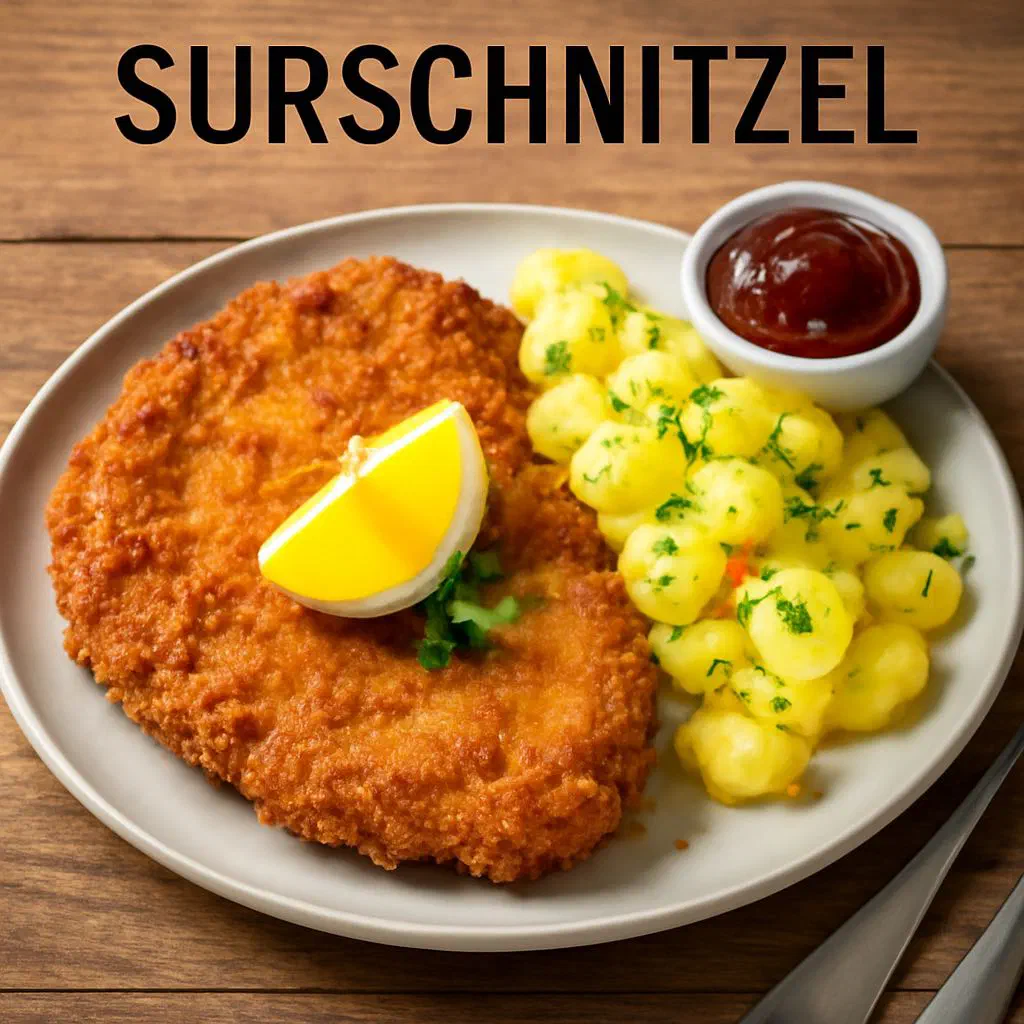
Meet Sour Schnitzel, a thrifty East German classic that turns a humble pork cutlet into something genuinely special. Born in the everyday kitchens of the GDR, it relies on a tangy marinade of pickle brine or vinegar to lift the meat, all wrapped in a golden, crunchy crumb. Few ingredients, simple steps and bags of flavour. This is honest comfort food that still tastes like a Sunday treat.
About Sour Schnitzel
Sour Schnitzel is widely regarded as a hearty classic, winning fans with its tangy marinade and crispy breadcrumb coating. In the spirit of a GDR-era recipe, the focus is on uncomplicated cooking that gets by with just a few readily available ingredients. The hallmark is a gently sour flavour, usually created with vinegar or pickle brine, which gives the meat a pleasant freshness. It is traditionally served with simple sides such as potatoes, salad or vegetables, making it both everyday-friendly and quietly special.
Ingredients (serves 1–2)
For a successful sour schnitzel you mainly need a tender piece of meat, a sour component for that signature note, and the ingredients for a sturdy, crunchy coating. The quantities here are chosen to make 1–2 portions, depending on how hungry you are and which sides you serve alongside. Look for fresh produce, because with schnitzel dishes the quality and cut of the meat make a real difference. If you like, you can easily adjust individual components later without losing the dish’s basic character.
- 250–350 g pork schnitzel (alternatively: veal or chicken)
- 3–4 tablespoons pickle brine, or 2 tablespoons vinegar + 2 tablespoons water
- 1 small onion, finely grated or very finely diced
- 1 teaspoon mustard (medium-hot)
- 1 egg
- 3–4 tablespoons flour
- 5–6 tablespoons breadcrumbs
- Salt and pepper
- Clarified butter or neutral oil, for frying
Shopping for the ingredients
When shopping it pays to pay close attention to the quality of the meat, because a thinly cut cutlet stays juicy while frying and cooks through evenly. In many cases pork is the classic choice, but veal or chicken also work well if you adjust the cooking time accordingly. For the signature sour note, pickle brine is ideal, as it already brings its own spices and quickly lends the meat plenty of aroma. If you don’t have any brine to hand, a mix of vinegar and a little water will get you very close to the flavour you’re after. This kind of resourceful, hearty cooking is at the heart of German cuisine.
Preparing the dish
Before you start cooking, lightly pound the meat between sheets of cling film if needed, so it becomes evenly thin and doesn’t turn tough in the pan. Next, mix up the marinade, where the combination of sour, savoury and mildly piquant creates the dish’s distinctive profile. A short marinating time of 20 to 60 minutes is often enough to build flavour without altering the texture of the meat too much. Meanwhile you can set up a small breading station, so everything moves along quickly later and the coating sticks well.
Step-by-step instructions
When it comes to frying, it’s especially important that the coating stays dry before it hits the hot fat, and that the pan is at the right temperature. If the fat is too cold the coating soaks it up and turns soggy; too hot and it browns on the outside before the meat is cooked through. The ideal is steady frying over medium to slightly higher heat, so a golden crust forms. Work briskly so the schnitzel go straight into the pan once breaded.
- Season the meat with salt and pepper, then combine with the pickle brine (or vinegar-water), onion and mustard.
- Leave to marinate for at least 20 minutes (up to 1 hour in the fridge is even better).
- Set up the breading station: place flour, beaten egg and breadcrumbs in three separate bowls.
- Let the schnitzel drip off briefly, then turn first in the flour, draw through the egg, and coat in breadcrumbs.
- Heat oil or clarified butter in a pan and fry the schnitzel for 3–5 minutes per side, until crispy and cooked through.
- Drain briefly on kitchen paper and serve immediately.
Gluten-free / lactose-free version
For a gluten-free version you can swap the flour for rice flour or a gluten-free flour blend, and use gluten-free breadcrumbs instead of regular ones. Ground cornflakes often work very well too, as they turn especially crunchy and stay neutral in flavour. Lactose isn’t usually a problem in the basic recipe, as long as you watch the frying fat: clarified butter is generally very low in lactose, but a neutral vegetable oil is the safer choice. It’s also worth checking the mustard and pickle brine for possible additives, since some products may contain traces.
Tips for vegans and vegetarians
For a vegetarian take, the dish works nicely with kohlrabi slices, celeriac cutlets or large king oyster mushrooms, all of which keep a pleasant texture when fried. For a vegan coating, replace the egg with a mixture of chickpea flour and water, or with plant-based yoghurt, which also helps the crumbs stick. You can keep the tangy marinade by continuing to use pickle brine or vinegar, rounded out with mustard and onion. When frying, lower the heat slightly so the plant-based “schnitzel” turns soft inside while developing a crust outside.
More tips and tricks
If you want particularly crunchy results, press the crumbs on lightly while breading, but without “cementing” the coating, or it becomes dense rather than airy. A tried-and-tested trick is to let the breaded schnitzel rest for 5 minutes so the layers bind better and shed less during frying. Fry in plenty of fat where you can, as this gives an even browning and a lovely crust with no dry patches. To keep them warm, a slightly open oven on a low temperature works well, but don’t cover them or the coating will go soft.
Adapting the recipe to your taste
You can control the acidity very easily: more pickle brine brings more savoury depth, while more vinegar gives a more direct, sharper sour note. If you like things bolder, add a little paprika, a pinch of caraway or a hint of garlic to the marinade, without masking the base flavour. The coating allows for variations too, perhaps with some coarse breadcrumbs for extra crunch, or herbs for a fresh aroma. With the sides you can stay classic or go modern, for example with oven-roasted potatoes and a crisp salad.
Ingredient substitutions
If you have no pickle brine in the house, you can create a mild, rounded acidity with cider vinegar and a small splash of water, which suits schnitzel well. Mustard can be replaced with horseradish or a little tomato purée if you fancy trying a different direction of seasoning. Breadcrumbs can be swapped for panko, which often makes the coating even airier and crunchier. For the meat, turkey schnitzel is also an option, though here you should take particular care not to over-fry it so it stays juicy, much like the Onion Steak.
Drink pairing ideas
A good sour schnitzel calls for drinks that balance the acidity and seasoning without overpowering the crispy coating. A cool, mild beer or an alcohol-free malt drink works well, picking up the roasted notes and refreshing the palate. If you prefer wine, a dry white wine with moderate acidity is especially good, such as a Silvaner or Müller-Thurgau. For non-alcoholic options, sparkling water with lemon or an unsweetened herbal tea make fitting companions, as they don’t make the dish taste unnecessarily sweet.
Serving and presentation ideas
For an attractive presentation, it’s worth letting the schnitzel drain briefly on a rack after frying, so the coating stays crispy and doesn’t go soggy. Cut a side such as potatoes or salad in a deliberately contrasting way, so colour and texture stand out on the plate. A classic touch is a lemon wedge, which adds visual freshness and provides extra acidity if needed. To keep things traditional, gherkin slices or a small portion of coleslaw make a clean, down-to-earth garnish.
A bit of history
Dishes like sour schnitzel stand for a style of cooking that creates plenty of flavour from modest means, leaning on marinating and breading. The sour note is familiar across many regional kitchens, because acidity makes meat more aromatic while creating a “fresh” mouthfeel. In everyday GDR cooking, recipes that could be flexibly adapted to whatever was available, yet still tasted like “Sunday”, were highly prized. It is precisely this blend of simplicity, savouriness and reliability that explains why the dish is still happily cooked today, alongside other hearty staples of German cuisine such as Saxon Pot Roast.
More recipe ideas
- Onion Steak
- Rostbrätel with Mustard Marinade
- Swabian Onion Roast Beef
- Bavarian Meatloaf
- Meatballs in Tomato Sauce
Summary: Sour Schnitzel
Sour Schnitzel wins through with its tangy, savoury marinade and crispy breadcrumb coating, which together deliver a particularly hearty result. With few ingredients and clear steps, it comes together quickly and reliably even in small portions. With a few simple tweaks you can give it a gluten-free, low-lactose or even vegetarian and vegan interpretation, without losing its character. Mind the temperature, the coating and a short resting time, and you’ll get a schnitzel that arrives at the table crisp on the outside and juicy within.