National Dish Germany: Sourdough Bread (Recipe)
In this article
Discover Sourdough Bread, one of Germany’s best-loved traditional breads. This rustic loaf is prized for its crackly crust and its moist, deeply aromatic crumb, both born from the slow, natural fermentation of the dough. Baking it is a piece of craft handed down through the generations, and there is real satisfaction in turning a handful of simple ingredients into a loaf worth slicing at your own table. Dive into the world of sourdough and get ready to bake bread you can be proud of.
About Sourdough Bread
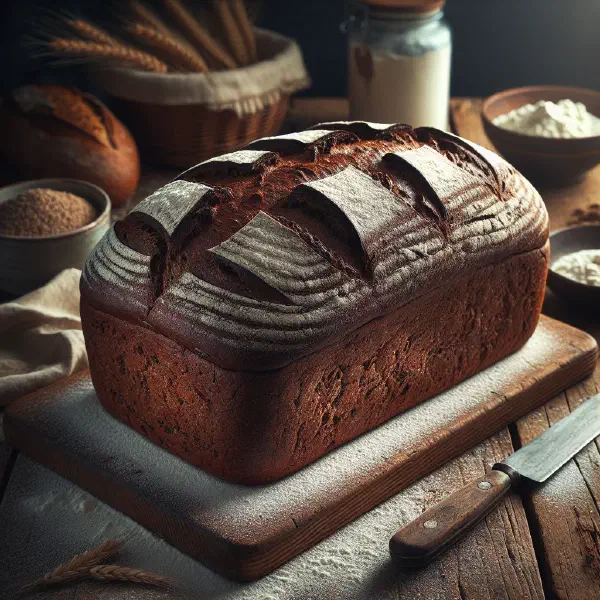
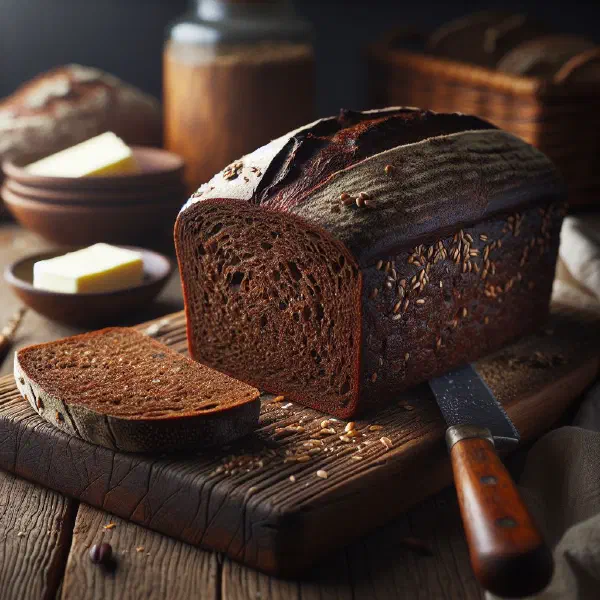
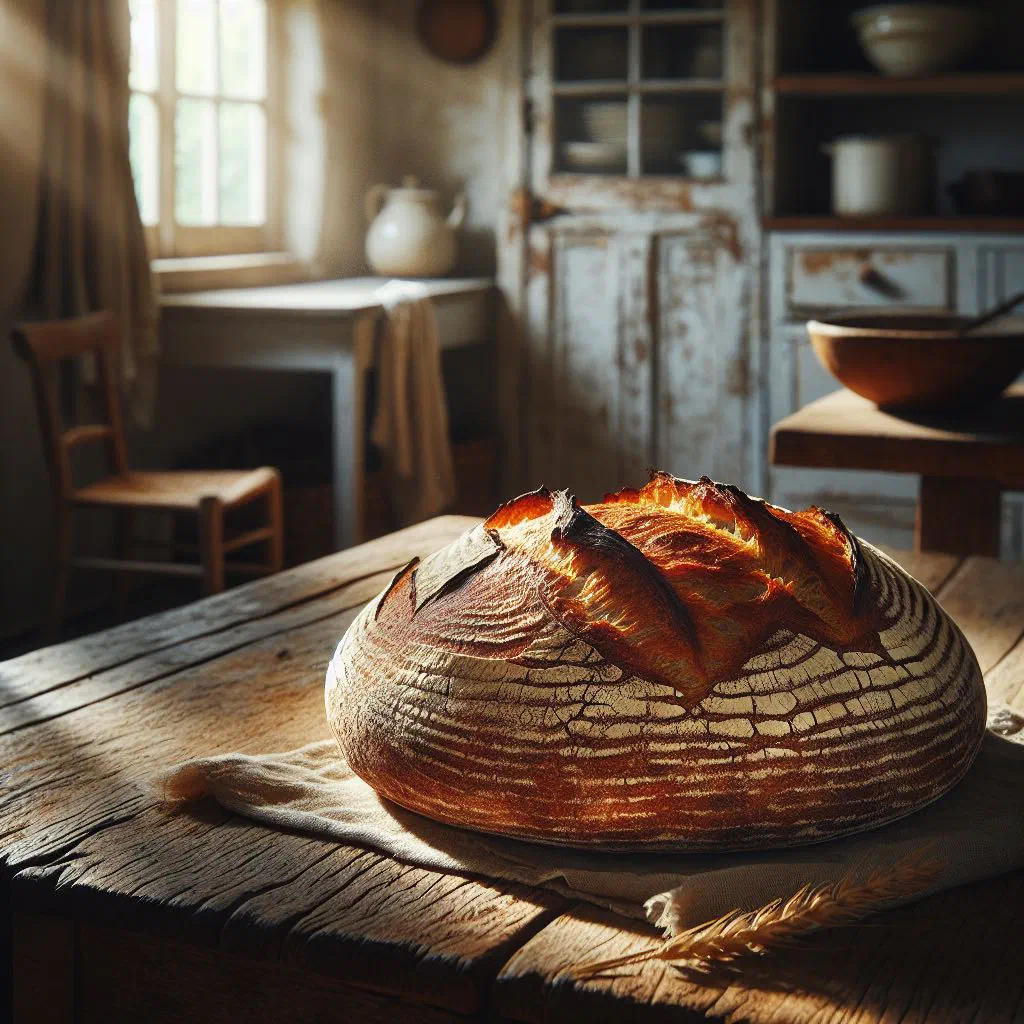
Sourdough Bread is among the most popular traditional breads in Germany, and it enjoys a devoted following well beyond the country’s borders too. It is defined by its crusty exterior and an aromatic, juicy crumb that comes from the natural fermentation of the dough rather than commercial yeast. This way of baking is a true example of artisan craft, a skill passed from one generation to the next. The result is a hearty loaf that rewards a little patience and turns an everyday meal into something special.
Ingredients (serves 1–2)
- 500 g wheat flour (Type 1050)
- 350 ml water
- 100 g active sourdough starter
- 10 g salt
Shopping for the ingredients
To bake your own Sourdough Bread you need only a handful of basic ingredients, all of which you can find in almost any supermarket. Choose a good-quality wheat flour for the best results, as the flour does much of the work in a simple recipe like this. The active sourdough starter can either be cultivated at home or bought from a specialist bakery. Fresh water matters too, as it helps activate the natural yeasts and bacteria that drive the fermentation.
Preparing the dish
Before you start baking, make sure your sourdough starter is lively and strong. That means it has been fed regularly and is showing plenty of bubbles, a sure sign of active fermentation. Allow yourself enough time, as fermenting the dough can take several hours from start to finish. Good preparation is the key to a successful loaf that delivers on both flavour and texture.
Step-by-step instructions
- In a large bowl, combine the flour and the salt.
- Add the active sourdough starter and the water, and mix well until you have a rough dough.
- Turn the dough out onto a floured work surface and knead vigorously for about 10 minutes.
- Place the dough in a floured bowl, cover it, and leave it to rise in a warm spot for 3–4 hours, until doubled in size.
- Tip the risen dough onto the work surface, knead lightly, and shape it as you like.
- Leave it to prove a second time, for about 1–2 hours.
- Preheat the oven to 220 °C, slide in the bread, and bake for roughly 30–40 minutes.
- Once baked, leave the loaf to cool on a wire rack.
Gluten-free / lactose-free version
For a gluten-free version of Sourdough Bread, you can use special gluten-free flours based on rice, maize or millet. Make sure your sourdough starter is gluten-free as well, which is perfectly possible if you choose the right ingredients. As for a lactose-free preparation, the good news is that the ingredients listed here are already lactose-free. Just take the same care with any extra ingredients you decide to add.
Tips for vegans and vegetarians
The lovely thing about Sourdough Bread is that it is naturally vegan, as long as you do not add any animal products. To vary the flavour, you can work different grains, seeds or even herbs into the dough. Pay attention to your accompaniments too, so they suit your way of eating. A fresh salad or a hearty vegetable dish such as Green Bean Stew goes beautifully with a slice of sourdough.
More tips and tricks
One thing that really matters with Sourdough Bread is the right proving time. If you prefer a moister loaf, let the dough rise for longer. The baking temperature can vary too, giving you different crust thicknesses and textures to play with. Experiment with different types of flour, or add nuts and seeds for extra flavour and crunch. Little tweaks like these turn your loaf into a genuine one-off.
Adapting the recipe to your taste
Everyone has their own idea of the perfect bread. If you prefer a milder flavour, for example, you can reduce the amount of sourdough starter. The baking time and temperature are flexible too, depending on how crisp you like your crust. Try playing with the water-to-flour ratio to find the ideal dough for your personal taste. That way every loaf becomes a pleasure to make and to eat.
Ingredient substitutions
If you would rather not use wheat flour, you can reach for high-quality alternatives such as spelt or rye flour, both of which give excellent results, the very grains that give Rye Bread its character. Anyone after an unusual depth of flavour should consider wholemeal flour. When it comes to the sourdough starter, you could also turn to a suitable gluten-free version. Every time you adapt the recipe, the bread takes on a new note of its own.
Drink pairing ideas
To enjoy Sourdough Bread at its best, a few drinks really bring out its flavours. A drinkable beer pairs wonderfully with crusty slices of bread. For an alcohol-free option, you might choose fresh juice or an aromatic herbal tea. A glass of red wine also harmonises beautifully with the hearty flavours of a freshly baked loaf. Pick whichever drink best suits your own taste.
Serving and presentation ideas
Presenting a freshly baked Sourdough Bread can be a simple yet striking affair. Serve the loaf on a rustic wooden board, alongside companions such as olive oil, vinegar or homemade herb butter. Small bowls of dipping sauces make a lovely addition too. Do not forget some attractive napkins and perhaps a few sprigs of fresh herbs alongside to round off the picture.
A bit of history
Sourdough Bread has a long and eventful history that reaches all the way back to antiquity. Many cultures have their own version of this bread, which gains its distinctive character from fermentation with natural yeasts. In Germany, sourdough bread is especially popular and a firm fixture of traditional eating, sitting proudly within German cuisine. The art of bread-baking has been passed down from generation to generation, and as a result a great many regional variations have grown up over time.
More recipe ideas
Summary: Sourdough Bread
Sourdough Bread is far more than a simple recipe; it is an experience for all the senses. With the right ingredients and a little patience, you can create a bread that appeals to in both flavour and texture. The sheer range of methods and embellishments means everyone can find their own personal touch. Let it inspire you and bring a slice of German baking tradition into your own kitchen.