National Dish Germany: Spätzle (Recipe)
In this article
Discover Spätzle, one of Germany’s most beloved comfort foods. These soft, irregular egg noodles hail from the south of the country and have been gracing farmhouse tables for generations. Quick to mix and wonderfully versatile, they make an ideal side dish or, dressed up with cheese and herbs, a satisfying main in their own right. Bring a little piece of German tradition into your own kitchen with this simple, foolproof recipe.
About Spätzle
Spätzle are one of the traditional national dishes of Germany and are especially popular across the south of the country. These homemade noodles are easy to make and endlessly versatile, pairing beautifully with everything from rich gravies to a simple scattering of cheese. Made from little more than flour, eggs and water, they have a tender, slightly chewy bite that has made them a staple of hearty German cuisine. Let’s make a delicious batch of Spätzle together.
Ingredients (serves 1–2)
- 200 g plain flour
- 2 eggs
- 100 ml water
- 1 tsp salt
- Butter or oil for frying (optional)
Shopping for the ingredients
You probably already have most of these ingredients sitting in your kitchen. If not, they are easy to track down in any supermarket or at a weekly farmers’ market. Choose good-quality eggs and fresh plain flour for the best results, as these two staples form the backbone of the dough and have the biggest influence on the final texture.
Preparing the dish
Before you start cooking, make sure you have all your ingredients to hand. You will also need a mixing bowl to bring the dough together, a large pan of boiling salted water, and a colander for draining. If you have one, a Spätzle press or a Spätzle grater makes shaping the noodles much easier, though a simple board and a knife will do the job just as well.
Step-by-step instructions
- Combine the flour and salt in a mixing bowl.
- Add the eggs and water, then stir to a smooth, lump-free dough.
- Beat the dough vigorously until it forms small bubbles.
- Using a Spätzle press or grater, push the dough into the boiling water. Alternatively, scrape thin strips of dough off a board straight into the pan.
- As soon as the Spätzle float to the surface, lift them out with a slotted spoon and leave to drain.
- Optional: fry the cooked Spätzle in a little butter or oil until lightly golden.
Gluten-free / lactose-free version
Spätzle adapt easily to a gluten-free kitchen. Simply swap the plain flour for a good gluten-free flour blend so the dish suits anyone with a gluten intolerance. For a lactose-free version, skip the optional butter for frying and reach for a plant-based margarine or a neutral oil instead. With these small tweaks, everyone at the table can tuck in without a second thought.
Tips for vegans and vegetarians
The basic recipe is already vegetarian, so vegetarians can dig in straight away. To make the dish fully vegan, replace the eggs with a mixture of 3 tablespoons chickpea flour and 6 tablespoons water, which binds the dough beautifully and gives a lovely texture. Be mindful of any optional toppings, and choose plant-based butter or oil for frying to keep things entirely meat- and dairy-free.
More tips and tricks
For especially fluffy Spätzle, let the dough rest for a short while before cooking so the flour can absorb the liquid fully. If you prefer your noodles with a bit of crunch, fry them in the pan after boiling until the edges turn golden and crisp. A confident hand when beating the dough also makes a real difference, the more air you work in, the lighter the finished noodles.
Adapting the recipe to your taste
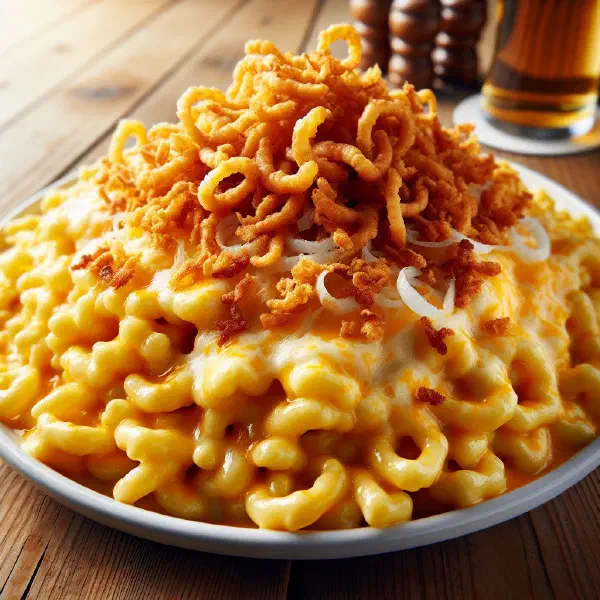
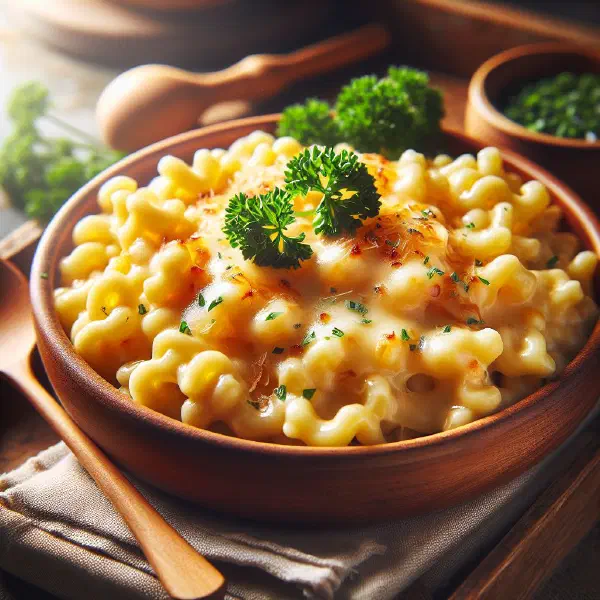
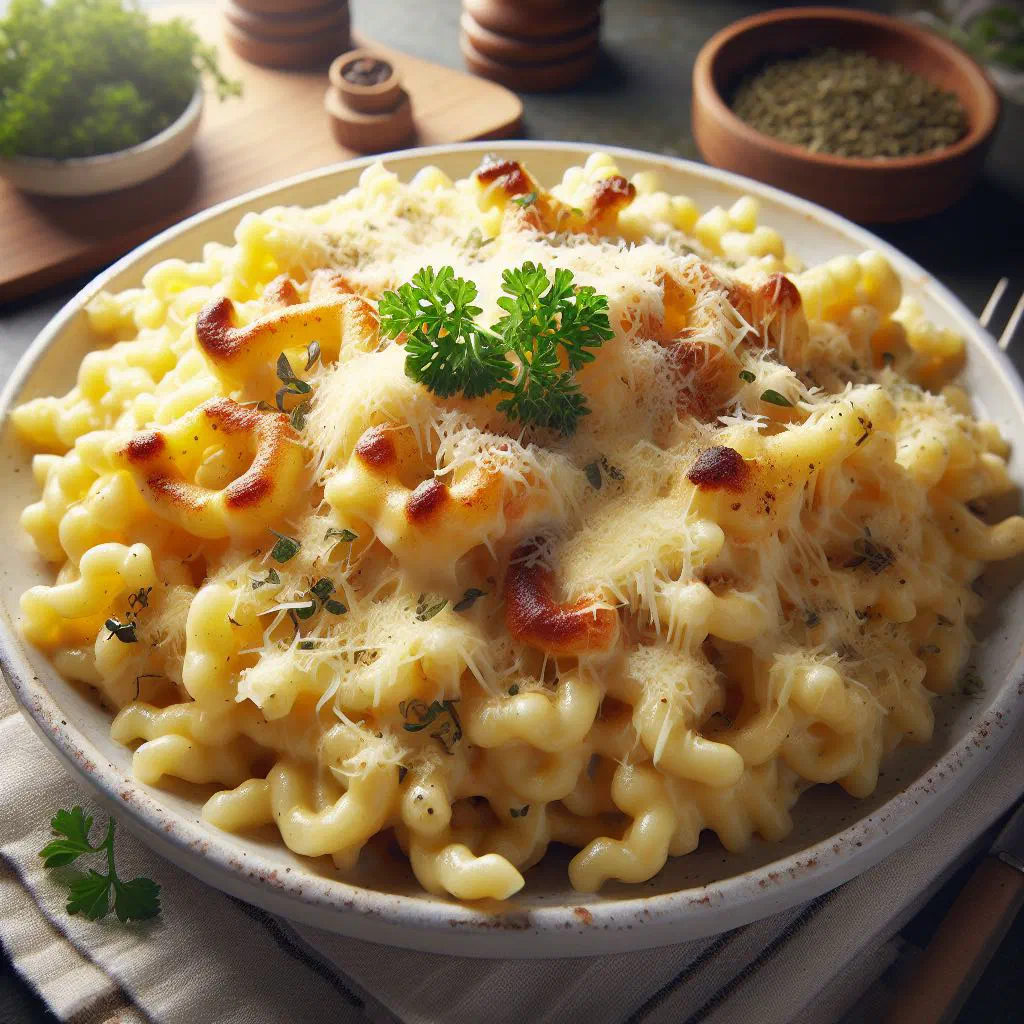
Fold in freshly chopped herbs such as parsley or chives to give your Spätzle a fresh, fragrant lift, the same idea behind classic Herb Spätzle. A generous handful of grated cheese like Emmental, melted over the warm noodles, turns them into something altogether more indulgent. From mild and buttery to bold and herby, you can shape the dish to match exactly what you fancy.
Ingredient substitutions
If you want to vary the flour, spelt flour or a gluten-free blend both work well in place of standard wheat. Swapping the water for sparkling mineral water makes the Spätzle even airier, thanks to the extra bubbles worked into the dough. These small substitutions let you adapt the recipe to what is in your cupboard or to suit particular dietary needs, much as you would when making Buckwheat Pancakes.
Drink pairing ideas
Spätzle go wonderfully with a cold beer, a dry white wine such as a crisp Riesling, or a refreshing apple spritzer for something lighter and non-alcoholic. A sparkling water with a slice of lemon also makes a clean, simple match that lets the noodles take centre stage. Whichever you choose, aim for a drink that refreshes the palate between mouthfuls.
Serving and presentation ideas
Serve your Spätzle on a rustic wooden board or in an attractive ceramic dish for a homely, inviting look. Scatter over a few fresh herbs and offer colourful side salads alongside to balance the richness of the noodles. They are also a natural partner to braised meats, so a portion next to a Saxon Pot Roast makes for a comforting, classic plate.
A bit of history
Spätzle have their roots in the Swabian region of southern Germany and have been known since at least the 18th century. They were traditionally scraped by hand from a wooden board and counted as a humble staple of the rural population, made from inexpensive, easily stored ingredients. Over time they have become a cherished symbol of southern German home cooking, a proud part of the wider German cuisine enjoyed far beyond the farmhouse kitchen.
More recipe ideas
Summary: Spätzle
Spätzle are a versatile and deeply traditional dish that is genuinely simple to prepare. With our tips and tricks, you can turn out a perfect batch every time, whether you keep it classic or give it a modern twist with herbs, cheese and a golden fry in the pan. Soft, comforting and full of southern German character, they belong on any table that values honest home cooking. Guten Appetit.