National Dish Germany: Suckling Pig (Recipe)

In this article
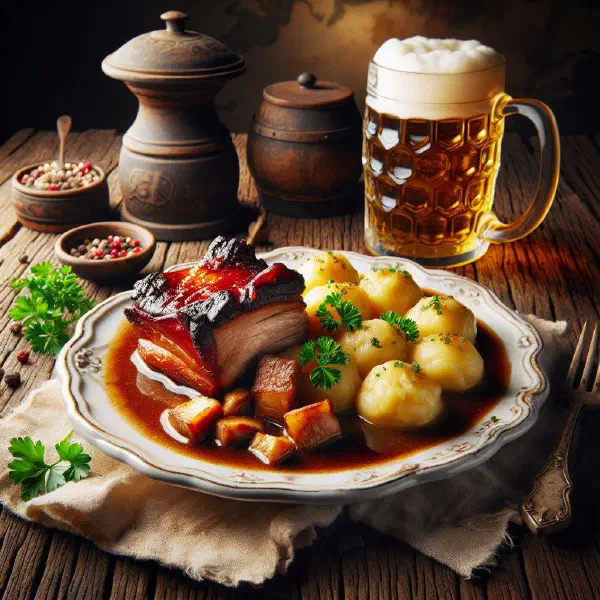
Few dishes say celebration quite like a whole suckling pig, gleaming with crisp, golden crackling and packed with savoury aroma. A true centrepiece of the German festive table, it has long brought family and friends together around food worth lingering over. Tender, juicy meat beneath a shatteringly crisp skin is the goal, and with a little patience it is well within reach at home. Roll up your sleeves and treat your guests to a roast they will remember.
About Suckling Pig
Suckling pig is a genuine classic of German cooking, reserved for celebrations and the kind of occasions where good food and good company take centre stage. The ideal result is juicy and tender on the inside, gloriously crisp on the outside, and full of deep, savoury flavour. Seasoned simply with garlic, salt, pepper and caraway, it lets the quality of the meat speak for itself. Serve it at the heart of a generous spread and every meal becomes an event.
Ingredients (serves 1–2)
- 1 small suckling pig (approx. 3–5 kg)
- 2–3 cloves of garlic
- 2 tablespoons salt
- 1 tablespoon pepper
- 1 tablespoon caraway seeds
- 50 ml oil
- 2–3 sprigs of rosemary
Shopping for the ingredients
When shopping for suckling pig, quality is everything. Fresh meat from a butcher you trust guarantees the best flavour, so it is worth ordering ahead. Spices such as caraway and rosemary are easy to find in any supermarket or at a weekly farmers’ market. Choose a good, neutral-tasting oil that will not overpower the natural flavour of the meat, and you will be well set up for a memorable roast.
Preparing the dish
For the best results, season and marinate the meat at least a day in advance. Rubbing it all over with garlic, salt, pepper and caraway builds a deep, intense seasoning that works its way right into the meat. Leave the prepared pig in the fridge overnight so the flavours have plenty of time to develop. The next day, bring it gently up to room temperature before roasting so it cooks evenly.
Step-by-step instructions
- Preheat the oven to 180°C.
- Brush the suckling pig all over with oil and place it on a roasting rack.
- Set a drip tray underneath the rack and pour in some water.
- Roast the pig for about 3–4 hours, basting it regularly.
- Turn the temperature up to 220°C to crisp up the crackling.
- Once cooked through, take the pig out of the oven and let it rest briefly.
- Carve into portions and garnish with fresh herbs just before serving.
Gluten-free / lactose-free version
This suckling pig recipe is naturally gluten-free and contains no lactose. Every ingredient is free from gluten and dairy, which makes the dish a safe and delicious choice for anyone with those intolerances. If you want to fine-tune it further, you can reach for lactose-free oils or specific spice blends, but the basic recipe already suits most special diets without any changes at all.
Tips for vegans and vegetarians
It has to be said that a traditional suckling pig is hardly suited to vegans and vegetarians. Even so, there are tasty plant-based alternatives such as seitan or tofu, which can be seasoned and roasted in much the same way to capture a similar aroma. These substitutes crisp up nicely in the oven and make a satisfying centrepiece for anyone who would rather skip the meat, much like a hearty bowl of Swabian Lentil Stew.
More tips and tricks
The single most useful tip for a perfect suckling pig is to use a meat thermometer, which takes all the guesswork out of timing. Aim for a core temperature of around 75°C for meat that is cooked through but still juicy. Basting the pig regularly with the pan juices during roasting stops the meat from drying out and helps build that wonderfully crisp, even crackling everyone loves.
Adapting the recipe to your taste
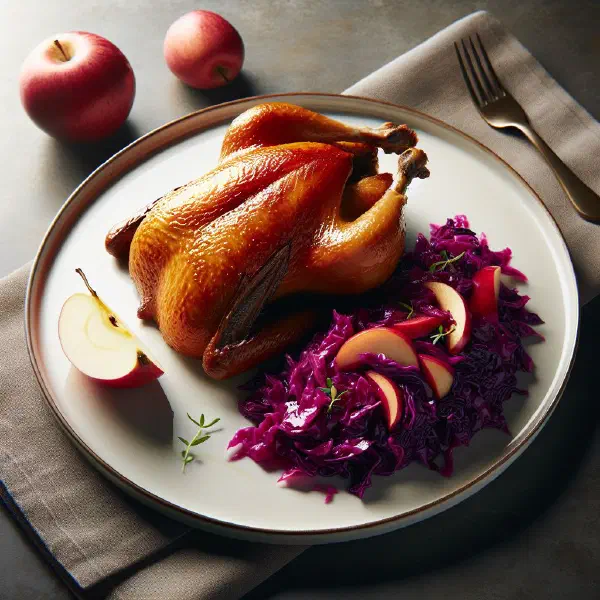
The basic suckling pig recipe is easy to tailor to your own personal preferences. If you like a bit of heat, add some chilli or paprika to the rub. Herb lovers can branch out beyond rosemary to thyme or oregano for a different character. Even the vegetables you serve alongside can be chosen to suit your guests. Try the bright, sweet-sour notes of Apple Red Cabbage.
Ingredient substitutions
If caraway is not to your taste, fennel seeds make a fine substitute, lending a mild sweetness and a gentle aniseed note. In place of rapeseed oil you can use olive oil for a more delicate flavour. Swapping ingredients like these is especially handy when you need to work around an allergy or simply want to suit the preferences of everyone at the table.
Drink pairing ideas
A good wine rounds off a suckling pig dinner beautifully. A robust red, such as a Spätburgunder (Pinot Noir) or a Portugieser, sits wonderfully alongside the rich flavour of the roast. As an alternative, a crisp, dry beer like a Pils makes an excellent partner to such a hearty meal. For those who would rather avoid alcohol, a refreshing apple spritzer is a lovely choice.
Serving and presentation ideas
We eat first with our eyes, so the presentation of your suckling pig deserves some thought. Serve the meat on a large platter, garnished with fresh herbs and seasonal vegetables. For a more individual touch, arrange neatly carved portions on pre-warmed plates. A decorative wooden board underneath adds a rustic, welcoming note, and a side of Bamberg Potato Salad completes the spread handsomely.
A bit of history
The suckling pig has a long tradition in German cooking and has been prepared for celebrations for centuries. As far back as the Middle Ages it was a symbol of prosperity, served at feasts and banquets. Today it remains a much-loved choice at Christmas and large family gatherings, and it has lost none of its festive appeal, a fine example of the heartiness that defines German cuisine.
More recipe ideas
- Pomeranian Goose Leg
- Saxon Pot Roast
- Yeast Dumplings with Vanilla Sauce
- Swabian Onion Roast Beef
- Pretzel
Summary: Suckling Pig
A perfectly cooked suckling pig is the highlight of any festive table. With its juicy meat and crisp crackling, it never fails to please. The careful choice and preparation of the ingredients, along with slow, attentive roasting, are the keys to success. Give this traditional recipe a try and savour its very good flavour, your guests will be coming back for seconds.