National Dish Germany: Tote Oma Bake (GDR Recipe)
In this article
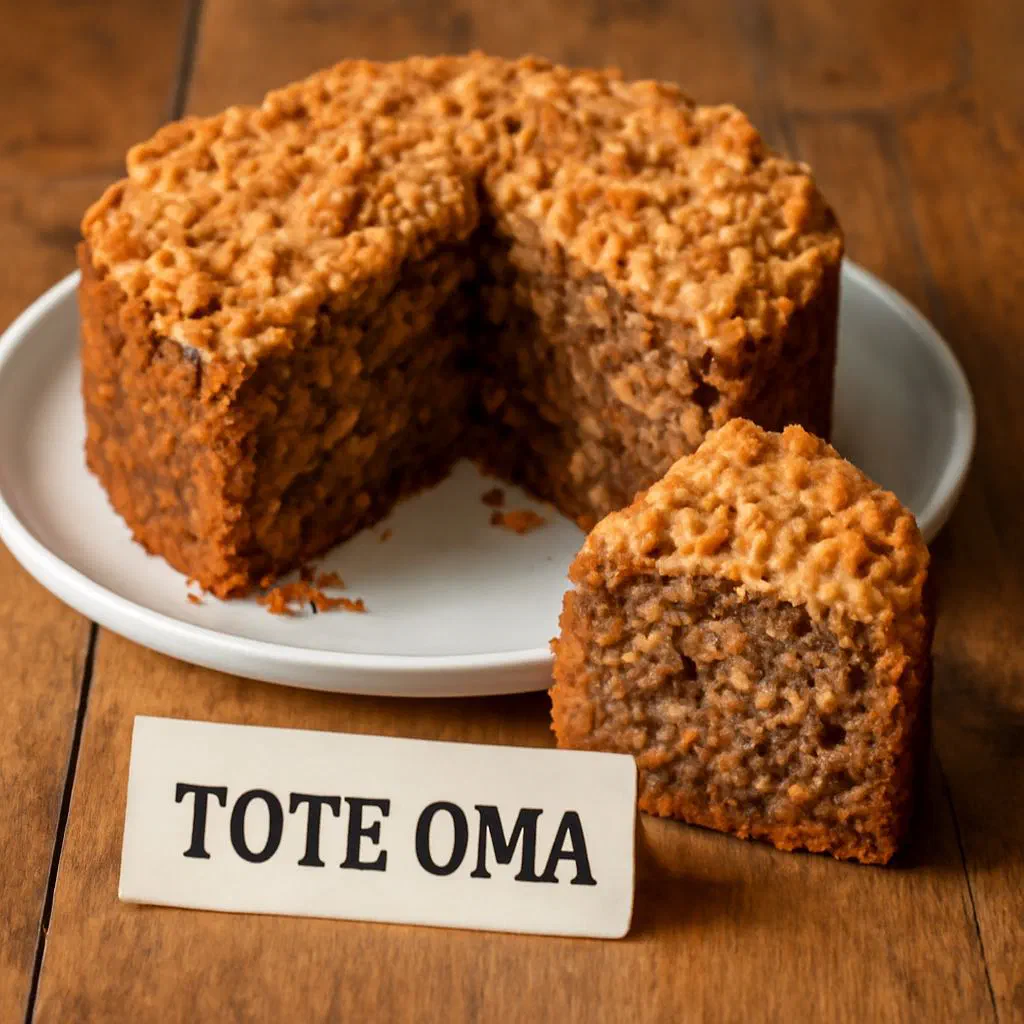
Behind its startling name lies one of eastern Germany’s most cherished comfort foods. Tote Oma Bake is a hearty, savoury dish built around Grützwurst, a richly seasoned groats sausage gently fried with onions until it turns deep and aromatic. Popular in countless GDR-era households for being cheap, filling and ready in minutes, it delivers honest, rib-sticking flavour with very little fuss. Pressed into a dish and baked, it firms up into a rustic, cake-like loaf that is pure nostalgia on a plate.
About Tote Oma Bake
Tote Oma Bake sounds unusual at first, yet in many families it stands for a hearty, savoury comfort meal that recalls simple, satisfying home cooking. The foundation is usually Grützwurst (also known as Tote Oma), fried with onions and spices until it takes on a robust, rustic character. The dish earns the name “bake” when the mixture is set in a dish in the oven or served pressed and compact, so that it resembles a savoury loaf. It is especially popular because it needs only a handful of ingredients, warms you up quickly and is easy to adapt to your own taste.
Ingredients (serves 1–2)
- 250–300 g Grützwurst (Tote Oma, depending on appetite)
- 1 onion (medium)
- 1 tablespoon lard or butter (or oil)
- 1 teaspoon dried marjoram (to taste)
- 1 pinch of pepper and a little salt, optional (season cautiously)
- 1 small egg (optional, for more binding in the “bake” version)
- 1–2 tablespoons breadcrumbs or oats (optional, to firm things up)
Shopping for the ingredients
For Grützwurst it is worth heading to the butcher or a well-stocked supermarket with a fresh counter, since quality and seasoning can vary considerably. Ask for “Grützwurst” or “Tote Oma”, or any regional name, as the product is called different things depending on the area. Make sure the sausage is fresh with a pleasant, savoury note, because it carries the dish’s main flavour. Onions, marjoram and a suitable cooking fat are available everywhere, but marjoram in particular should smell fragrant so the result does not taste flat. A good piece of German Grützwurst is the kind of honest ingredient that runs right through traditional German cuisine.
Preparing the dish
First peel the onion and cut it into fine dice so it softens quickly while frying and caramelises to a gentle sweetness. Take the Grützwurst out of its packaging and break it up roughly with a fork or knife, which makes it easier to fry and spread later on. If you want the “bake” version from the oven, prepare a small baking dish and grease it lightly. You can also have the egg and breadcrumbs ready, as both help give the mixture a firmer, sliceable texture.
Step-by-step instructions
- Heat the cooking fat in a frying pan over medium heat and add the diced onion.
- Fry the onions for 3–5 minutes until translucent and lightly coloured.
- Add the broken-up Grützwurst and fry everything, stirring, for 5–8 minutes until the mixture is piping hot and roasted aromas develop.
- Season with marjoram and pepper; use salt sparingly, as the sausage is often already well seasoned.
- Optional: take the pan briefly off the heat, stir in the egg and breadcrumbs until the mixture binds well.
- For the “bake” character: spoon the mixture into the dish and bake at 180 °C (conventional) for about 10–15 minutes, until the surface just sets.
- Serve straight away, ideally with a fitting side such as potatoes or bread, to keep the dish filling.
Gluten-free / lactose-free version
The dish becomes gluten-free very easily if you use gluten-free oats or gluten-free crumbs instead of breadcrumbs, or simply skip the binding step altogether. Many versions manage without flour anyway, which makes the adaptation straightforward and keeps the sausage’s own flavour at the forefront. For a lactose-free preparation, swap the butter for oil or a lactose-free cooking fat, as this has no effect on the typical seasoning. It is worth quickly checking the Grützwurst label, since some products can contain traces of milk, even if that is not the rule.
Tips for vegans and vegetarians
This dish is not classically vegetarian, but you can recreate the principle as a hearty pan mixture using a robustly seasoned alternative. Vegetarians might reach for smoked tofu, fried mushrooms and onions with marjoram, as these create similar roasted aromas. Vegans can add depth with soy sauce, smoked paprika and a touch of mustard, so the result tastes savoury rather than “empty”. If you need binding, use a mix of chickpea flour and water instead of egg, or a little potato starch, to keep the mixture stable when served.
More tips and tricks
The most important trick is not to fry the mixture too fiercely, so it stays juicy rather than turning dry. Roasted aromas develop best if you let it catch briefly now and then before stirring again, instead of constantly turning it over. Try not to scorch the marjoram too early; add it towards the end so it keeps its aroma. If you like things especially hearty, a small pinch of nutmeg or a hint of caraway works beautifully, as long as you keep the dose light.
Adapting the recipe to your taste
You can vary the texture considerably: for a creamier version, heat the mixture only briefly and serve it softer, while the oven-dish version turns out firmer and more cake-like. If you like things tangy, add finely diced gherkins, a little mustard or a pinch of chilli, which gives the dish a bright kick. The amount of onion can be adjusted too, more onions bring a milder sweetness and balance the robust sausage notes. If you prefer a rustic texture, cut the onions a little coarser and fry them harder so they turn golden brown.
Ingredient substitutions
If you would rather not use lard, rapeseed oil is a neutral alternative, while clarified butter lends a rounder aroma. Marjoram is traditional, but if you have none to hand, thyme or a pinch of savory will do, though the result smells a touch different. Breadcrumbs can be swapped very well for oats, which soak up liquid and give a pleasant structure. If you cannot get Grützwurst, you can fall back on a robust liver-sausage-style frying mixture, but then adjust the seasoning carefully, as salt levels and spices can vary considerably. For a vegetable-led side that uses the same hearty onions, Dripping Bread with Onions is a fine companion.
Drink pairing ideas
A robust, warming dish like Tote Oma goes very well with a bitter beer, as the bitterness and fizz balance the savoury seasoning. For non-drinkers, malt beer or a slightly tart apple-spritzer mix is a good choice, since both refresh the palate. Black tea or caraway tea can also suit, as warm drinks round off that hearty feeling and are often perceived as soothing. If you pair the dish with sour sides such as gherkins or cabbage, a dry white wine harmonises nicely without weighing things down.
Serving and presentation ideas
Plate up the portion on a warm plate so the mixture does not cool too quickly and the aromas stay full. Visually, a clear contrast helps: serve pale potatoes, a dollop of mustard or a little sauerkraut alongside, so the dish does not look too dark. Fresh touches such as chopped parsley or finely sliced chives add a green accent and make the whole thing look more modern without changing its typical character. If you make the oven-dish version, you can cut it into slices and present it like a savoury cake, which is both surprising and practical for guests.
A bit of history
Dishes like Tote Oma are emblematic of a cuisine that makes the most of simple, available ingredients while delivering robust, honest flavours. The name “Tote Oma” (literally “dead grandma”) is often linked to the dish’s appearance and traditional preparation, but it is above all a colloquial term that is widespread in certain regions. In many households such dishes were typical everyday fare, because they cook quickly, fill you up well and combine easily with potatoes, bread or cabbage. The recipe was often cooked not strictly by the gram but “by feel”, which is why there are many versions today, all aiming at the same thing: warming home cooking with a distinctive seasoning. It sits comfortably alongside other thrifty classics of German cuisine.
More recipe ideas
Summary: Tote Oma Bake
Tote Oma Bake is a hearty dish that delivers an intense, warming result in next to no time, built on Grützwurst, onions and marjoram. By choosing between the pan version and the oven dish, you decide for yourself whether it should be soft and rustic or firm and sliceable like a savoury cake. With small adjustments such as gluten-free binders or lactose-free cooking fat, the recipe adapts effortlessly to different needs. If you pay attention to good sausage quality and bring out the roasted aromas cleanly, you get a dish that tastes traditional yet can still be served in a modern way.