National Dish Germany: Westphalian Pickert (Recipe)
In this article
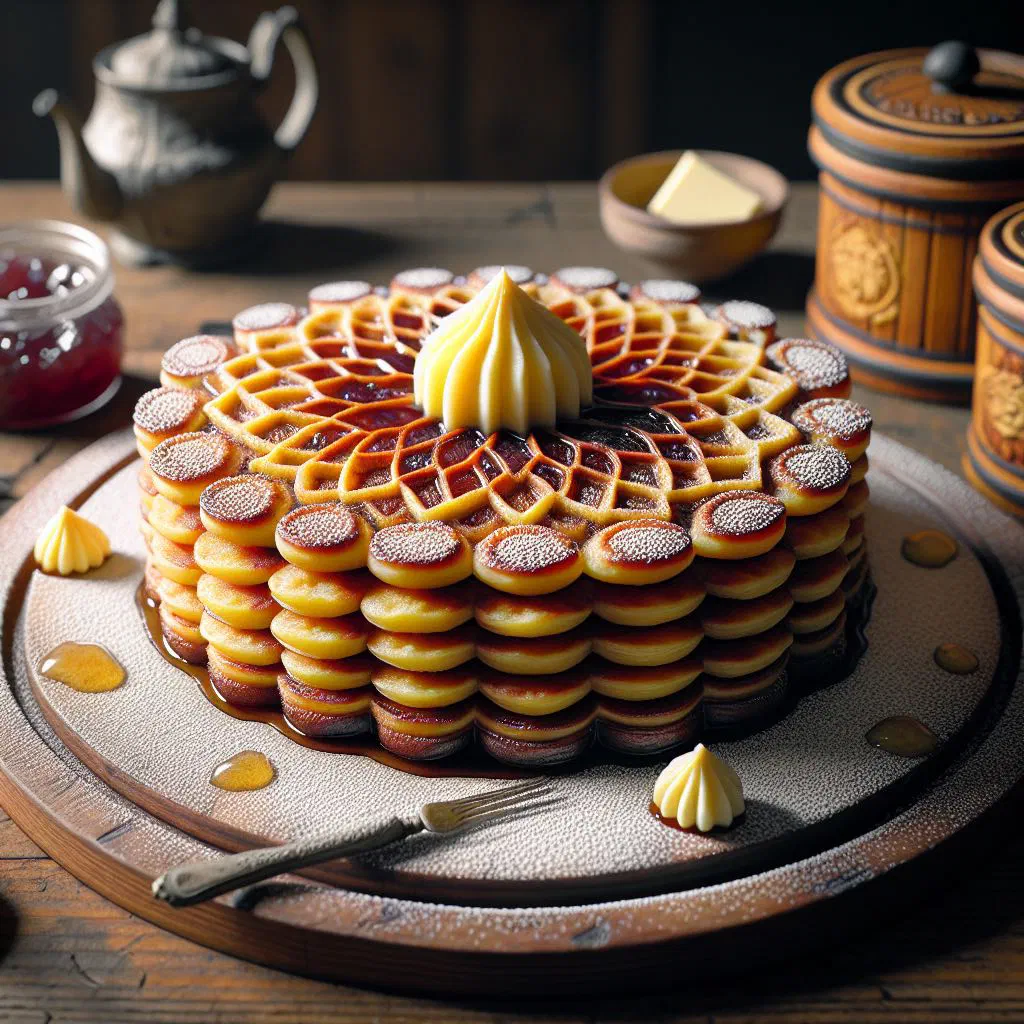
Meet Westphalian Pickert, a wonderfully homely classic from the Westphalia region of Germany. This rustic dish marries grated potatoes, flour and yeast into golden little pancakes that are hearty yet gently sweet. Simple to throw together and endlessly comforting, it has long been a fixture in country kitchens. Serve it with apple sauce or a handful of savoury sides, and you bring a genuine taste of Westphalian home cooking straight to your table.
About Westphalian Pickert
Westphalian Pickert is a traditional dish from Germany, deeply rooted in the regional cooking of Westphalia. Often prepared in rural households, it has earned its place as a much-loved comfort food. The pickert is especially prized for its straightforward preparation and its hearty, faintly sweet flavours. Enjoyed with apple sauce or a range of savoury accompaniments, it brings a slice of Westphalian heartiness to the table, much like the closely related Westphalian Potthucke, another potato speciality from the same corner of the country.
Ingredients (serves 1–2)
- 250 g potatoes
- 100 g flour
- 1 egg
- 1/2 cube fresh yeast
- 1/2 tsp salt
- A little water or milk
- Oil, for frying
Shopping for the ingredients
To make a proper Westphalian Pickert, you will want fresh, good-quality ingredients. The potatoes are the heart of the recipe, so choose varieties well suited to pancakes and fritters. The flour should be of good quality too, to let the full flavour come through. Where you can, reach for fresh yeast, as it lends the dish a particular texture and depth of taste.
Preparing the dish
Preparing the pickert is uncomplicated and calls for only a few basic steps. Begin by peeling and grating the potatoes; this is an important step in getting the right consistency. The yeast should be dissolved in a little warm water or milk to activate it. Combine all the ingredients in a bowl and stir to a smooth batter, then give it enough time to rise.
Step-by-step instructions
- Peel the potatoes and grate them finely.
- Combine the grated potatoes with the flour, egg, dissolved yeast and salt in a bowl.
- Mix the batter thoroughly and leave it to rest at room temperature for about 30 minutes.
- Heat oil in a frying pan and add the batter in portions to form small pancakes.
- Fry the pancakes until golden brown on both sides, then drain.
Gluten-free / lactose-free version
A gluten-free Westphalian Pickert is easy to achieve: simply use a gluten-free flour blend in place of wheat flour. Do check that all the other ingredients are gluten-free as well. For a lactose-free version, swap in lactose-free milk or a plant-based milk alternative. That way the dish stays accessible and tasty for a wide range of dietary needs.
Tips for vegans and vegetarians
Vegans can prepare Westphalian Pickert by replacing the egg with a plant-based alternative, such as a tablespoon of ground flaxseed mixed with water. This provides the binding the batter needs. You can also skip the yeast and use baking powder instead to give the pancakes their lift. These tweaks make the dish vegan and delicious and nourishing.
More tips and tricks
To ring the changes with your pickert, try adding different spices. A pinch of cinnamon or nutmeg gives the dish a lovely note, while fresh herbs such as parsley or chives bring a savoury touch. Experimenting with the accompaniments can lift the flavour too, serve small portions with a selection of dips or sauces and see what works best.
Adapting the recipe to your taste
Tailor your Westphalian Pickert to personal preference by trying out different potato varieties. The flour can be swapped for alternatives such as chickpea flour to make the dish higher in protein. Stirring grated carrot or courgette into the potato batter adds extra nutrients and a splash of colour. In this way the pickert stays true to tradition while inviting a creative, modern interpretation.
Ingredient substitutions
If you have no fresh yeast to hand, dried yeast makes a fine alternative, a scant teaspoon is enough to achieve a similar effect. You might also experiment with different fats for frying to give the pickert a distinctive character. Try a range of oils to discover which flavour notes suit your dish best, just as you would when frying up a batch of Eifel Potato Fritters.
Drink pairing ideas
A hearty Westphalian Pickert goes beautifully with a number of drinks. A fresh apple juice or a refreshing apple-and-pear lemonade make ideal companions. A well-chilled Pils or a fruity white wine also strike a harmonious note. Vary the drinks to suit your taste and the occasion, and turn the meal into something to remember.
Serving and presentation ideas
Present your Westphalian Pickert on a rustic wooden board or in a handsome pan to create a cosy, homely feel. Garnishes such as fresh herbs, slices of apple or even a spoonful of yoghurt add colour and lift the visual appeal of the meal. Arrange the pancakes neatly, stacked or fanned across a plate, so the dish looks as inviting and appetising as it tastes.
A bit of history
Westphalian Pickert has a long history, reaching back to simple, rural traditions. Originally made from whatever the farm gardens and smallholdings could provide, the recipe has evolved over time to become a symbol of regional cooking. In many Westphalian families the pickert is also prepared as a festive dish, bound up with many fond memories. This cultural significance makes it an important part of Westphalian identity, and a proud example of German cuisine.
More recipe ideas
- Westphalian Potthucke
- Potato Pancakes with Apple Sauce
- Chemnitz Bambes
- Holstein Turnip Mash
- Buckwheat Pancakes
Summary: Westphalian Pickert
Westphalian Pickert is a simple dish to prepare that impresses with its hearty yet sweet flavours. The combination of potatoes, flour and yeast makes it an one-of-a-kind comfort food. The pickert brings the taste of Westphalia home. Experiment with the recipe and enjoy this Westphalian speciality just the way you like it.