National Dish Germany: Wholemeal Bread (Recipe)
In this article
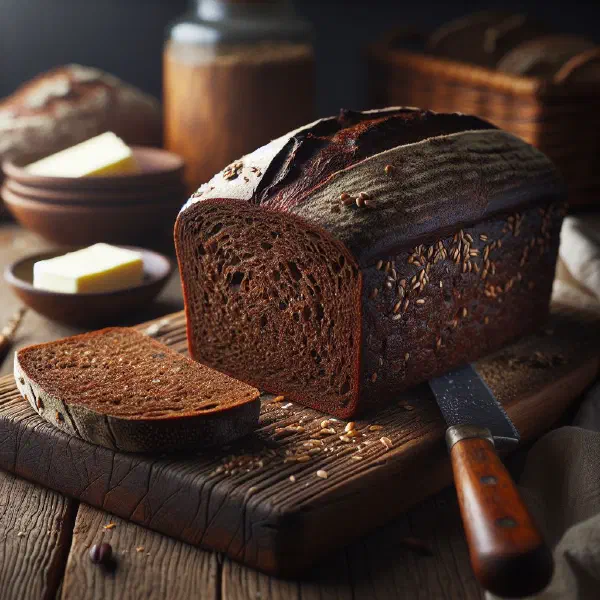
Few things capture the heart of German baking quite like wholemeal bread. This rustic, hearty loaf is made with nutrient-rich wholegrain flours that lend it a wonderful texture and a deep, satisfying flavour. Packed with fibre and full of nourishing whole grains, it makes a wholesome companion to any meal, from a simple breakfast spread to a generous evening platter. Best of all, it is surprisingly easy to bake at home, filling your kitchen with the comforting aroma of fresh bread.
About Wholemeal Bread
Wholemeal bread is a true masterpiece of German baking, offering as much to your health as it does to your taste buds. It is made from high-quality wholegrain flours that are both rich in nutrients and responsible for its unmistakable texture. Using whole grains means the bread is packed with fibre, which supports digestion and keeps you feeling full for longer. Savour the hearty notes that develop during baking, and let yourself be surprised by just how many delicious variations are possible.
Ingredients (serves 1–2)
- 250 g wholegrain flour (e.g. wheat or rye)
- 1 tsp salt
- 1 tsp honey or sugar
- 1 sachet dried yeast
- 300 ml warm water
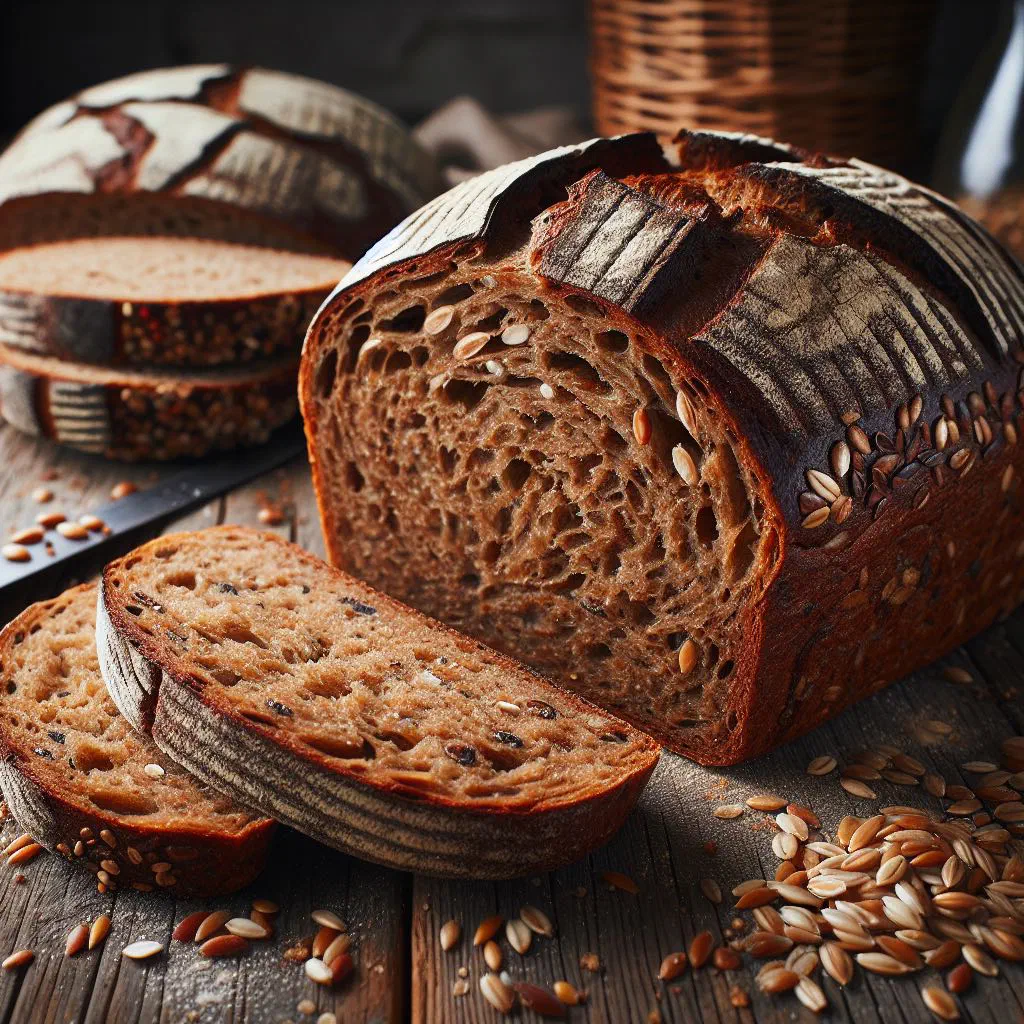
- Optional: seeds such as sunflower seeds or linseed
Shopping for the ingredients
To bake your own wholemeal bread you will need a selection of fresh, high-quality ingredients. Wholegrain flour is usually easy to find in any well-stocked supermarket or health-food shop. Look for flour made from unrefined grain so you get the full nutritional benefit. The remaining ingredients, such as dried yeast and salt, are widely available too. It is also worth seeking out local suppliers for the freshest possible ingredients.
Preparing the dish
Preparing the dough is a simple but important step on the way to a delicious result. Begin by gathering all your ingredients and keeping your work surface clean and well organised. A tidy worktop makes for greater efficiency and improves the flavour, as the dough won’t pick up any unwanted aromas from other foods. If you want to add extras such as seeds or nuts, chop them beforehand so their flavour is distributed evenly through the loaf.
Step-by-step instructions
- In a large bowl, mix the wholegrain flour with the salt and dried yeast.
- Add the honey or sugar and combine well.
- Pour in the warm water a little at a time, kneading everything into a smooth dough.
- Cover the dough and leave it to rise in a warm place for about 1 hour.
- Knead the dough again, working in seeds if you like, then transfer it to a tin.
- Leave the bread to rise once more until it has roughly doubled in size.
- Bake in a preheated oven at 220 °C for about 30–40 minutes.
- Once baked, let it cool on a wire rack before slicing.
Gluten-free / lactose-free version
For a gluten-free wholemeal bread, you can use one of the special gluten-free flour blends now sold in many supermarkets. These mixes are typically based on rice flour, cornflour and other gluten-free ingredients. For a lactose-free loaf, simply use plant-based milk alternatives or stick to lactose-free products. Adjust the amount of liquid as needed to achieve the right dough consistency.
Tips for vegans and vegetarians
The basic wholemeal bread recipe is already suitable for vegans, as it contains no animal products. To enrich the loaf further, you can add vegetable oils or a spoonful of nut butter for a creamier texture and more flavour. Do check any ingredients that might contain hidden animal products. Experiment with different spices and herbs to tailor the bread to your taste.
More tips and tricks
A few tips and tricks can help you get the very best from your wholemeal bread. Adding a little plant-based yoghurt, for example, gives the dough extra moisture and makes it especially light and fluffy. Allow the bread enough time to rest and prove, so it reaches an ideal volume and a better texture. Serving it with a dip or a savoury sauce can intensify the flavour even further. Experiment with different seeds or spices to create your own signature loaf.
Adapting the recipe to your taste
Adapting your wholemeal bread to your own preferences is a great way to make it truly yours. You can experiment with different flours, such as rye flour, rolled oats or even spelt flour. Depending on your taste, you might also stir in various seeds and nuts to give the bread a special aroma. You can adjust the sweetness too, swapping the honey or sugar for agave syrup or another natural sweetener.
Ingredient substitutions
If you find yourself missing an ingredient, there are often simple alternatives to keep the recipe on track. With no wholegrain flour to hand, you could use multigrain flour or even light wheat flour instead, much as a Pretzel relies on a softer dough. For sweetness, agave syrup, coconut sugar or honey all work well. If you have run out of yeast, try baking powder instead, adjusting the water accordingly.
Drink pairing ideas
The right drink can lift the whole experience of eating your wholemeal bread. An aromatic tea or a freshly brewed coffee pairs beautifully with the loaf’s hearty flavour. Fruit juices or a homemade smoothie make a lovely choice too, bringing freshness and lightness to the meal. A glass of milk or a plant-based alternative rounds things off nicely, adding extra nutrients and a fuller flavour. Perfect alongside a slice topped with Wild Garlic Pesto with Pasta leftovers.
Serving and presentation ideas
An attractive presentation can do a great deal to enhance the whole eating experience. Serve the bread on a rustic wooden board, perhaps with a selection of spreads to add a personal touch. Scatter fresh herbs or vegetables alongside to bring colour and extra aroma to the plate. Think too about using lovely plates and cutlery to celebrate the moment of sharing a meal. A simple, pared-back design lets the bread take centre stage and creates a welcoming atmosphere.
A bit of history
The tradition of bread baking in Germany stretches back many centuries and is deeply rooted in the culture. Wholemeal bread, especially loaves made with rye and wheat, has a long history as a nourishing staple. In rural regions, local ingredients were used for generations to make tasty, wholesome loaves that kept people going through the day. Storing the bread in a cool, airy place ensured its flavours lasted until the next meal. This tradition continues to this day, a testament to true craftsmanship and a deep respect for nature, a cornerstone of German cuisine.
More recipe ideas
Summary: Wholemeal Bread
In short, wholemeal bread is not only a tasty staple but one that offers a host of health benefits too. It is easy to make at home with simple, natural ingredients and can be adapted to suit your own preferences. The combination of nourishing flours and varied ingredients opens up endless possibilities for variations that are unique in both flavour and appearance. Take the time to bake this delicious loaf and enjoy the treat you have created.