National Dish Germany: Wine Soup (Recipe)
In this article
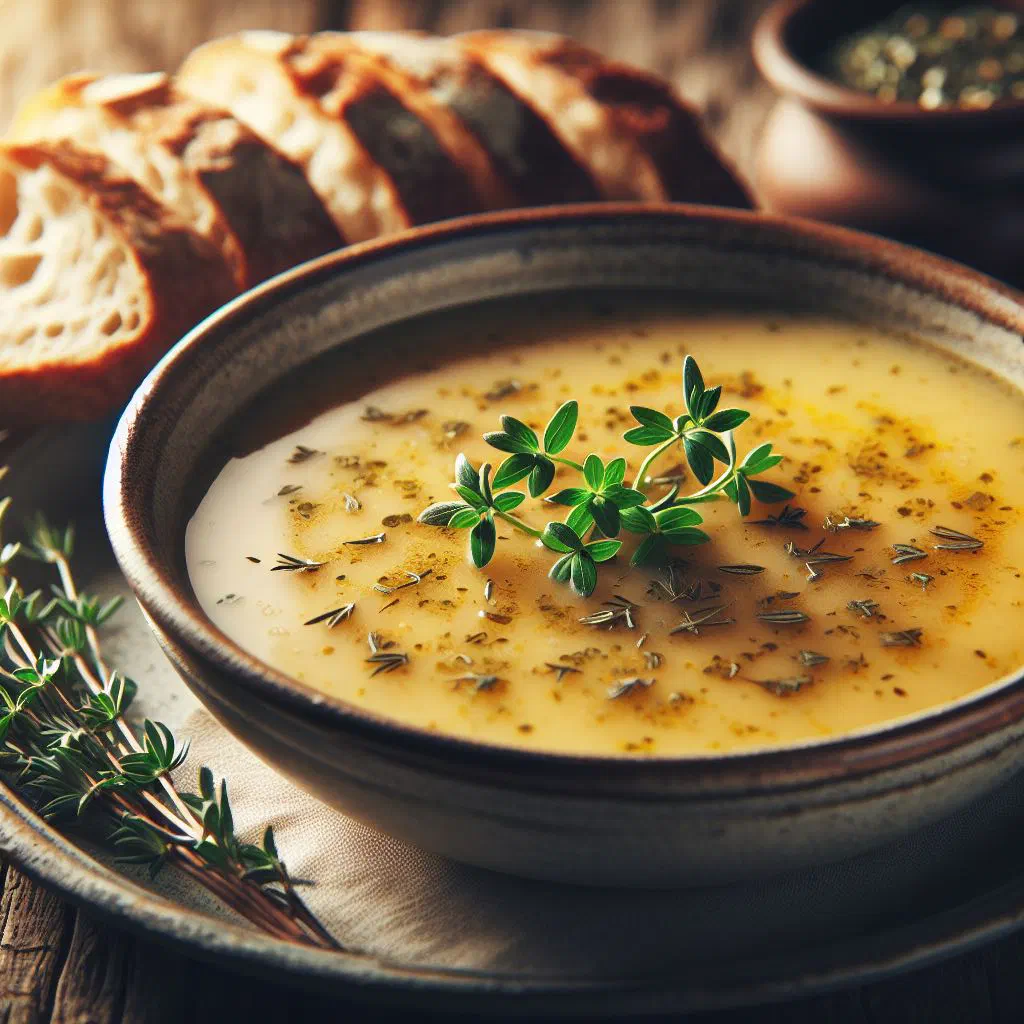
Treat yourself to wine soup, an elegant German classic that turns a handful of simple ingredients into something quietly special. A good dry white wine simmered with onion, garlic and fragrant herbs creates a delicate, aromatic broth that feels every bit at home on a festive table as it does as the opening course of a leisurely dinner. Light yet full of character, it is the kind of dish that makes guests feel cared for from the very first spoonful.
About Wine Soup
Wine soup is a traditional dish held in high regard across Germany, prized above all for its generous use of fine wine. The wine carries the aromas of freshly steeped spices and herbs, drawing every flavour into sharp focus. This delicate soup is not only easy to prepare, it also makes a wonderful choice for festive occasions or as a refined starter. Let the subtle nuances of wine soup win you over, and discover the variety of German cuisine along the way.
Ingredients (serves 1–2)
- 500 ml dry white wine
- 250 ml vegetable stock or chicken stock
- 1 small onion, finely chopped
- 2 cloves of garlic, crushed
- 1 teaspoon sugar
- 1 teaspoon dried herbs (such as thyme or marjoram)
- 1 bay leaf
- Salt and pepper, to taste
- Fresh parsley, to garnish
Shopping for the ingredients
When shopping for the ingredients for wine soup, it pays to pay attention to quality. The white wine plays the central role, so choose a good dry wine, one you would happily drink on its own. The stock should be fresh or of the best quality you can find, as it deepens the flavour of the soup. Fresh herbs and vegetables also make a real difference to the finished aroma, which is why it is worth reaching for organic produce where you can.
Preparing the dish
Preparing wine soup is wonderfully straightforward and takes only a few steps. Begin by gathering all your ingredients and chopping or crushing them as needed. It helps to cut the onion and garlic into small pieces before you start cooking, so they release their aromas as fully as possible. This way you can be sure the soup is seasoned evenly and with real intensity throughout.
Step-by-step instructions
- In a large pan, sweat the chopped onion and garlic in a little oil until translucent.
- Add the sugar and let it caramelise briefly.
- Pour in the white wine and the vegetable stock, stirring well to combine.
- Add the dried herbs and the bay leaf, then bring the mixture to the boil.
- Reduce the heat and let the soup simmer for around 10–15 minutes so the flavours can develop.
- Season with salt and pepper to taste, then ladle the wine soup into bowls.
- Garnish with freshly chopped parsley and serve.
Gluten-free / lactose-free version
Wine soup is naturally gluten-free and lactose-free, as it calls for no flour or dairy. Do take care, though, when choosing your wine and stock, to make sure neither contains any gluten-based additives. A clear vegetable or chicken stock is ideal here. That way you can enjoy the dish without a second thought, even if you are sensitive to gluten or lactose.
Tips for vegans and vegetarians
For a vegan version, swap the stock for a plant-based vegetable stock and make sure the white wine itself contains no animal products. Many wines are fined using animal-derived agents, so it is worth checking the label. Vegetarians can use a classic stock but should keep the same eye on the wine’s ingredients. With these small adjustments, wine soup stays accessible and delicious for everyone.
More tips and tricks
A few simple touches can refine your wine soup even further. Experiment with different herbs and spices to tailor the aromas to your own taste, fresh thyme or basil lends the soup a particularly fragrant finish. You can also vary the texture: stirring in a little blended tofu or puréed vegetables gives a creamier, more velvety result if that is what you prefer.
Adapting the recipe to your taste
If you would like to make wine soup entirely your own, think about which extra ingredients might suit your palate. Toasted nuts or croutons, for instance, add welcome crunch and depth of flavour. A pinch of lemon juice or a splash of white wine vinegar can sharpen the flavour and bring a refreshing lift.
Ingredient substitutions
If you do not have a particular ingredient to hand, there is often a tasty alternative. Instead of dry white wine, a rosé or a dry sparkling wine works well for a different flavour profile, much as a fruity twist transforms a Fruit Soup. For the stock, a homemade version can release even more aroma, or you might reach for a seasoned vegetable stock tuned to the flavours you are after.
Drink pairing ideas
A range of drinks pairs beautifully with a good wine soup. A glass of the same white wine you used in the soup is always a classic and reliable choice. Lighter options such as a crisp rosé or sparkling water with a squeeze of lemon harmonise just as nicely. If you would rather skip the alcohol, herbal teas or fruity spritzers make excellent companions that underline the flavours of the meal.
Serving and presentation ideas
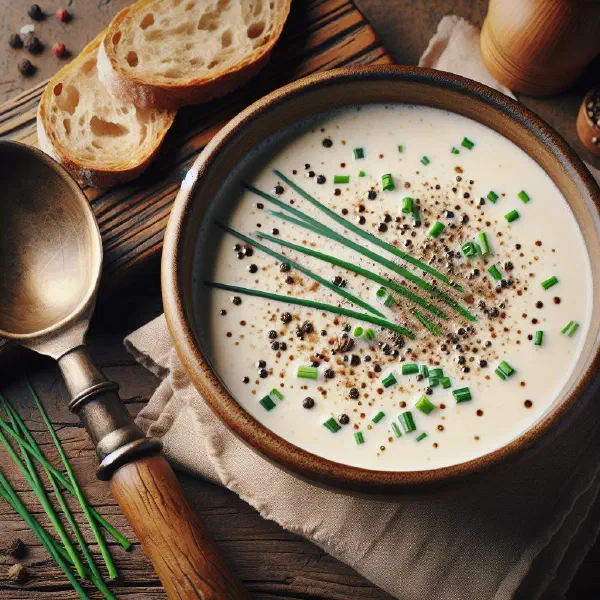
Thoughtful presentation can elevate the whole wine soup experience. Serve the soup in handsome deep plates or elegant bowls. A little fresh parsley in the centre not only looks appetising but reinforces that fresh, herby note. A scattering of toasted bread cubes or a swirl of cream on top can provide the perfect finishing flourish, much as it would for a Cheese and Leek Soup or a comforting Onion Soup.
A bit of history
The history of wine soup stretches far back and is deeply rooted in German tradition. Originally created as a simple dish for festivities and special occasions, the soup was passed down from one generation to the next. It was often served in well-to-do households, as it called for fine ingredients such as wine and fresh herbs. Today wine soup is a symbol of German hospitality and good food, holding a place of honour in many a recipe book.
More recipe ideas
Summary: Wine Soup
To sum up, wine soup is a delicious and versatile dish that appeals to with its simple ingredients and exquisite flavour combination. It adapts effortlessly to personal taste and is perfect for celebratory occasions or a cosy dinner at home. The recipe offers plenty of ways to impress your guests. Give it a try and bring a little piece of German culinary heritage into your own kitchen.