National Dish Germany: Zwetschgendatschi (Recipe)
In this article
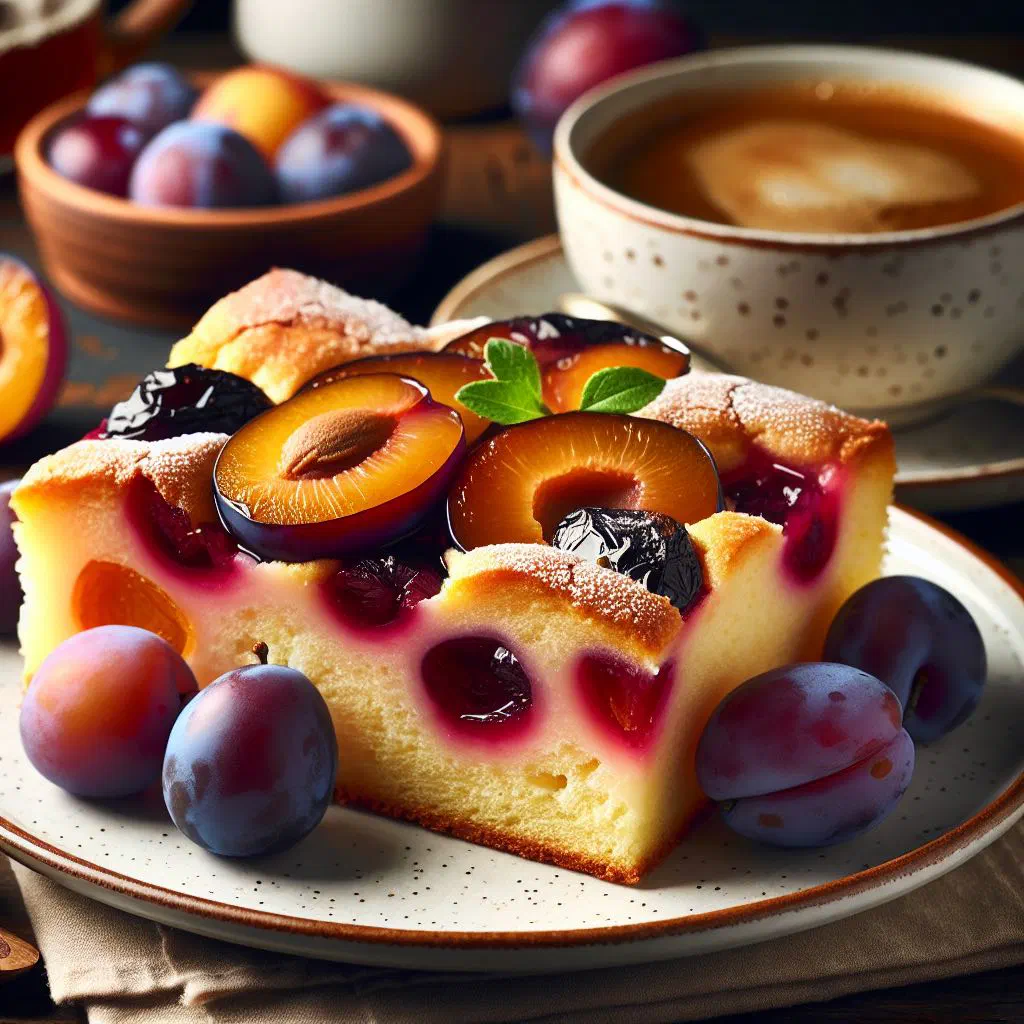
Sink your teeth into Zwetschgendatschi, the very good plum sheet cake that signals the arrival of late summer across southern Germany. Juicy, ruby-dark plums are pressed close together over a soft, fluffy base and baked until the fruit turns jammy and the dough goes golden. Simple to make yet quietly magnificent, this is the sort of cake that disappears from the tin before it has even cooled. Bring a slice of Bavarian baking tradition to your own kitchen.
About Zwetschgendatschi
Zwetschgendatschi is a traditional German sheet cake, especially beloved throughout the south of the country. What sets it apart is its generous topping of juicy plums (Zwetschgen, a fragrant European prune plum), spread tightly across a yeast dough or shortcrust base. It is at its very best in late summer and early autumn, when the plums are perfectly ripe and at their most flavourful. Hearty yet homely, it is a wonderful example of unfussy German baking at its finest.
Ingredients (serves 1–2)
- 250 g ripe plums
- 125 g plain flour
- 50 g sugar
- 50 g butter
- 1 egg
- 1 tsp baking powder
- A pinch of salt
- Optional: cinnamon and sugar, for sprinkling
Shopping for the ingredients
The finest plums are to be found at the weekly farmers’ market or from a local grower just round the corner. Look for fruit that is neither too soft nor too firm, a gentle give when pressed is the sign of a properly ripe plum. Fresh, regional ingredients make all the difference to the flavour, so reach for seasonal produce whenever you can.
Preparing the dish
Before you begin, preheat the oven to 180°C. Wash and stone the plums, then cut them into quarters so they fan out neatly across the cake. Set out the remaining ingredients and prepare a suitable baking tin by greasing it or lining it with baking paper.
Step-by-step instructions
- Knead the flour, sugar, butter, egg, baking powder and salt together in a bowl to form a smooth dough.
- Spread the dough evenly across the prepared baking tin.
- Arrange the quartered plums tightly, side by side, over the dough.
- Optional: scatter over a mixture of cinnamon and sugar.
- Bake in the preheated oven for around 30 minutes, until the plums are soft and the dough is golden brown.
- Leave to cool, then slice and enjoy.
Gluten-free / lactose-free version
Zwetschgendatschi adapts easily to a gluten-free diet: simply swap the plain flour for a good gluten-free flour blend, ideally one with a binding agent such as xanthan gum so the base holds together. For a lactose-free cake, use plant-based margarine in place of the butter. With these small changes, everyone at the table can enjoy a slice without a second thought.
Tips for vegans and vegetarians
For a vegan version, replace the butter with margarine and the egg with an egg substitute of your choice, a mixture of 1 tablespoon of ground linseed and 3 tablespoons of water works beautifully and binds the dough just as well. The plums need no adjustment at all, making this one of the easiest cakes to turn fully plant-based.
More tips and tricks
Zwetschgendatschi is especially good served lukewarm, when the fruit is still soft and fragrant. Try it with a scoop of vanilla ice cream or a dollop of whipped cream for an extra touch of indulgence. A light dusting of icing sugar just before serving adds both sparkle and a gentle sweetness to each slice.
Adapting the recipe to your taste
This cake is wonderfully forgiving and easy to tailor to your own preferences. Roll the dough thinner or thicker depending on whether you like a delicate base or a more substantial one, and vary the quantity of plums to suit. If you prefer things sweeter, add a little more sugar, or toss the plums in cinnamon and sugar beforehand for a warmly spiced finish.
Ingredient substitutions
If plums are out of season, other fruits step in happily. Try apples or cherries for a different but equally delicious result. The apple version sits comfortably alongside other German fruit bakes such as a classic Cherry Cake or a tangy Rhubarb Cake. In place of butter you can use coconut oil or margarine, both of which keep the base tender and rich.
Drink pairing ideas
A freshly brewed coffee or a robust black tea pairs splendidly with Zwetschgendatschi, cutting through the sweetness of the fruit. A glass of cold milk makes a comforting partner too, while a sweet white wine lends the cake a more elegant, after-dinner feel. Choose whichever suits the moment, from a cosy afternoon treat to a celebratory dessert.
Serving and presentation ideas
Present your Zwetschgendatschi on a handsome cake plate and finish it with a delicate dusting of icing sugar. Individual slices look lovely decorated with a single mint leaf, which adds a pop of fresh green against the dark fruit. For a generous spread, serve it as part of a coffee table laden with German bakes, much like a slice of German Cheesecake.
A bit of history
Zwetschgendatschi has its roots in Bavaria and has been known since the 17th century. Traditionally it was baked during the plum season in late summer and autumn, most often on a base of yeast dough. Over the years the recipe has shifted gently from region to region, giving rise to many local variations, a story of regional baking that runs right through German cuisine, from the south’s fruit cakes to the festive Dresden Christmas Stollen.
More recipe ideas
Summary: Zwetschgendatschi
Zwetschgendatschi is a delicious, uncomplicated cake that becomes a true highlight during plum season. With our step-by-step instructions it is guaranteed to succeed, whether you keep it classic, make it vegan or tweak it to your own taste. Hearty, fruity and full of late-summer charm, it remains a pleasure however you bake it. Give it a go and surprise your family and friends with this traditional German recipe.