National Dish Greece: Aginares (Recipe)
In this article
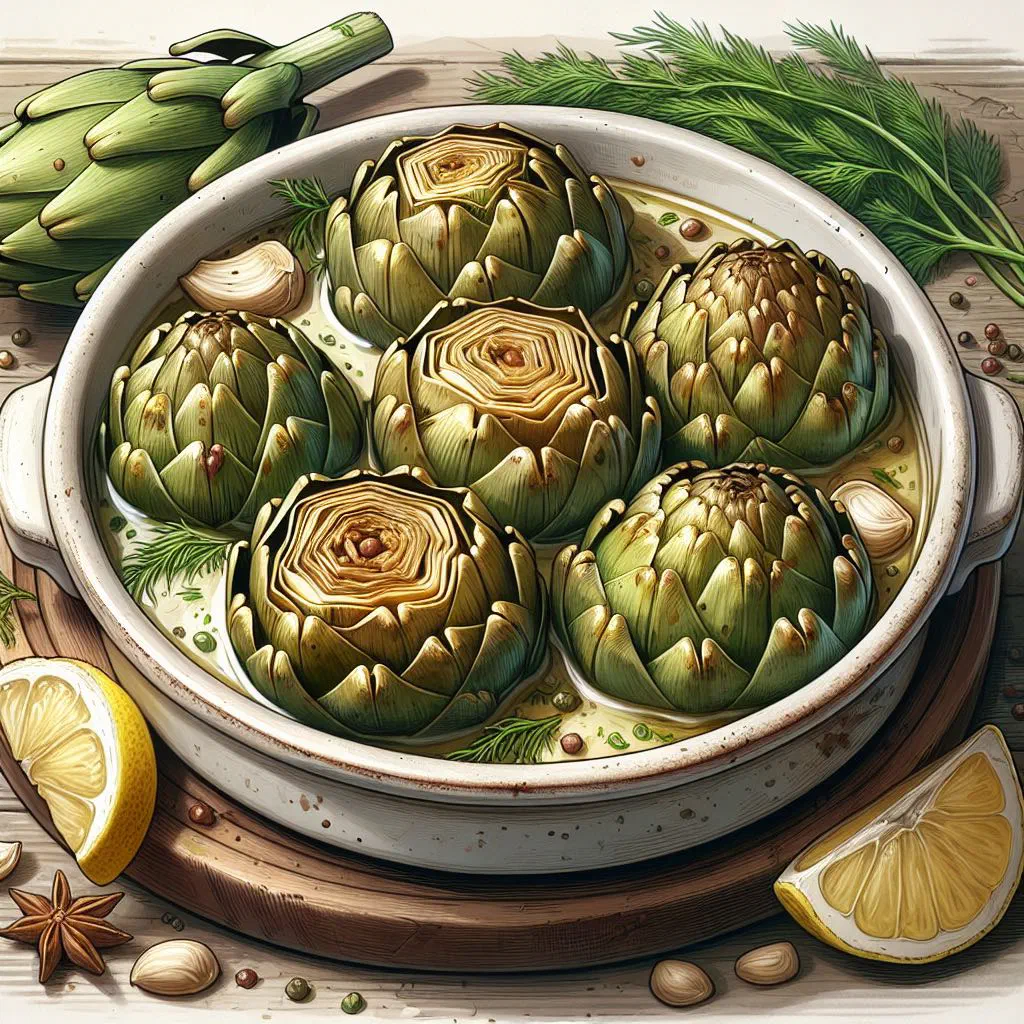
Discover Aginares, one of Greece’s most beloved everyday dishes. These tender artichokes are gently simmered until soft, then dressed simply with golden olive oil, a bright squeeze of lemon and a scattering of fresh herbs. The result is light, fragrant and unmistakably Mediterranean, a wholesome plateful that captures the sunshine of the Greek table. Perfect for a healthy supper, it proves that the simplest ingredients often make the most memorable meals.
About Aginares
Aginares, or Greek artichokes, are a traditional national dish prepared daily in countless Greek households. These delicious vegetables are a pleasure for the palate and remarkably healthy. They are often served with olive oil, lemon and fresh herbs, which lend every bite a distinctive flavour. In Greece, artichokes are especially well loved and prepared in many variations that bring out their natural sweetness and delicate taste.
Ingredients (serves 1–2)
- 2–3 fresh artichokes
- 3–4 tablespoons olive oil
- Juice of 1 lemon
- A bunch of fresh herbs (parsley, dill or mint)
- Salt and pepper to taste
- Water
Shopping for the ingredients
When shopping for the ingredients for aginares, pay close attention to the freshness of the artichokes. Choose ones that feel firm and show no brown patches, as these have by far the best flavour. Look, too, for a good-quality olive oil, where the difference in taste can be considerable. Fresh herbs should likewise be as aromatic and vivid green as possible to guarantee the very best aromas.
Preparing the dish
Preparing aginares is straightforward and takes only a few steps. First, the artichokes must be washed thoroughly and the tough outer leaves removed, as these are often difficult to eat. Next, trim the tips of the artichokes to expose the tender hearts. A splash of lemon juice helps preserve the colour and gives the artichokes an extra layer of flavour.
Step-by-step instructions
- Prepare the artichokes by peeling away the outer leaves and trimming off the tips.
- Bring a large pan of water to the boil and lower in the prepared artichokes.
- Simmer for around 30 minutes, until they are tender.
- Drain the cooked artichokes and transfer them to a bowl.
- Add the olive oil, lemon juice, fresh herbs, salt and pepper, and toss well to combine.
Gluten-free / lactose-free version
Aginares are naturally gluten-free and lactose-free, which makes them an excellent choice for anyone with the corresponding intolerances. You can enjoy the dish at any time without a second thought. Avoid adding extra ingredients that contain gluten or lactose, and stick to the simplest, freshest components. That way the dish stays healthy and full of flavour, much like a bowl of Spanakorizo.
Tips for vegans and vegetarians
Aginares is an ideal dish for vegans and vegetarians, as it contains no animal products at all. To make it even more protein-rich, serve it alongside chickpeas or lentils, the very same pulses that star in crisp Revithokeftedes. A spoonful of vegan yoghurt can also be an appealing addition, creating a creamy contrast to the tender artichokes. Experiment with different herbs and spices to craft your own plant-based version.
More tips and tricks
For the best results when cooking aginares, make sure the water in which the artichokes simmer is well seasoned. This helps the artichokes take on an even more intense flavour. You can also add aromatics such as garlic or onion to the cooking water to refine the taste. Give your creativity free rein to make a dish that is truly your own.
Adapting the recipe to your taste
Aginares are easy to adapt to your personal preferences. Feel free to add further spices, such as paprika or cumin, to discover new flavour notes. You might also combine the artichokes with other vegetables, such as tomatoes or courgettes, a pairing that shines in Zucchini Briam, to bring more variety to the plate. In this way you can create an even richer, more wholesome dish built around your own taste.
Ingredient substitutions
Should certain ingredients not be to hand, there are plenty of alternatives that work just as well. Instead of olive oil you can use avocado oil, which offers an equally fine flavour. If you cannot find fresh herbs, dried ones are a good, if slightly less intense, choice. For a zestier note, you can also swap lime juice in for the lemon juice.
Drink pairing ideas
A range of drinks can be served with aginares to round off the Mediterranean mood. A light, crisp white wine such as a Greek Assyrtiko goes beautifully with this dish. A homemade lemon and mint iced tea is another refreshing choice, especially on warm days. Let the wealth of possibilities inspire you and enrich your dining experience.
Serving and presentation ideas
To present aginares attractively, arrange the artichokes on a handsome plate and garnish with fresh herbs. A splash of lemon juice drizzled over the top makes the dish look even more inviting. Serving on a rustic wooden board or in a terracotta bowl can underline the Mediterranean ambience. Take care to plate the dish thoughtfully to create a welcoming atmosphere, a tangle of Tzatziki mit Minze alongside makes a lovely cooling partner.
A bit of history
Aginares have a long history in Greek cooking and are a firm fixture of the Mediterranean diet. These artichokes originally hail from the eastern Mediterranean and have been cultivated since antiquity. In Greek mythology they are linked to the god of love, Adonis. This remarkable vegetable is credited with a host of health-giving properties, which only adds to its popularity as a cornerstone of Greek cuisine.
More recipe ideas
Summary: Aginares
Aginares are a delicious and healthy dish that embodies the flavours of Greece. The preparation is simple and made with care, which makes them a perfect choice for a Mediterranean supper. With fresh ingredients and a wealth of variations, you can be sure your dish turns out unique and exactly to your taste. Discover the joy of cooking and savour the rewards of Greek cuisine with this delicious artichoke dish.