National Dish Greece: Baba Ghanoush (Recipe)
In this article
Baba Ghanoush is what happens when an aubergine meets an open flame and comes out transformed. The flesh turns silky and deeply smoky, and once it is mashed with nutty tahini, fresh garlic and a generous squeeze of lemon, you have a dip that tastes far more complex than its short ingredient list suggests. Serve it with warm flatbread or crisp raw vegetables, and it disappears faster than you can make it.
About Baba Ghanoush
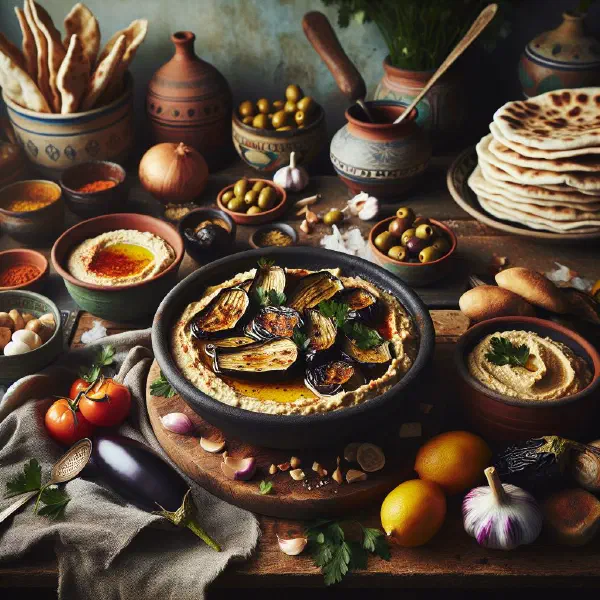
Baba Ghanoush is a creamy aubergine dip built on roasted, smoky aromas and a wonderfully adaptable flavour profile. It comes into its own in the warmer months, bringing a piece of Mediterranean ease to the table wherever it is served. Most often it appears as a starter alongside flatbread, or as one dish among many on a meze platter. That smoky depth, softened by the creaminess of tahini, is what makes it such a reliable favourite for gatherings of every kind.
Ingredients (serves 1–2)
- 2 large aubergines
- 2–3 tablespoons tahini (sesame paste)
- 1–2 garlic cloves, finely chopped
- Juice of 1 lemon
- 2 tablespoons olive oil (plus extra for drizzling)
- ½ teaspoon cumin (optional)
- Parsley, to garnish
- Salt and pepper
Shopping for the ingredients
When shopping for baba ghanoush, freshness is what counts. Choose aubergines that feel firm and look glossy, with no brown patches. Tahini is worth seeking out at a Middle Eastern grocer or a well-stocked health food shop, look for a creamy paste that is not overly bitter, as its quality carries the whole dip. Fresh garlic and a juicy lemon round out the authentic flavour.
Preparing the dish
Preparing baba ghanoush asks for a little time at the grill but is otherwise very simple. Wash the aubergines and pierce them several times with a fork so steam can escape as they roast. Have the garlic, lemon and tahini ready to hand, so they can go straight into the warm aubergine flesh. That is when the flavours combine best.
Step-by-step instructions
- Grill the aubergines over an open flame, on a barbecue or in the oven at 220°C, turning them until the skin is blackened all over and the flesh is soft (about 30–40 minutes).
- Let them cool briefly, then slice lengthways and scoop out the flesh with a spoon.
- Drain off the excess liquid and mash the flesh roughly.
- Stir in the tahini, chopped garlic, lemon juice and olive oil.
- Season to taste with cumin, salt and pepper.
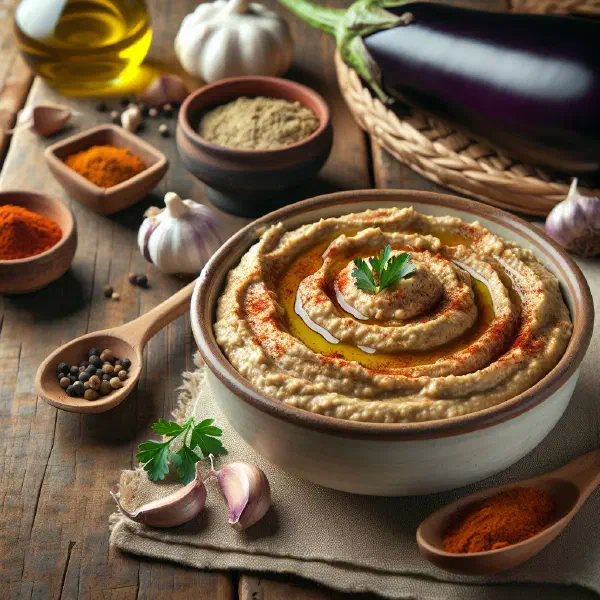
- Spread into a bowl, drizzle with olive oil and scatter with parsley.
Gluten-free / lactose-free version
Baba ghanoush is naturally free from gluten and lactose, made as it is from nothing but vegetables, sesame paste and seasonings. The only thing to watch is the bread you serve alongside, choose a certified gluten-free flatbread if you need to. The dip itself is an easy, safe choice for anyone cooking around dietary restrictions.
Tips for vegans and vegetarians
Baba ghanoush is vegan by nature, since every ingredient in it is plant-based. Use a good olive oil and fresh tahini to get the fullest flavour. Both make a noticeable difference. It sits beautifully alongside other vegan meze such as hummus or stuffed vine leaves, and a table of small plates is exactly where it belongs.
More tips and tricks
To deepen the flavour of your baba ghanoush, roast the aubergines hard, the skin should be almost completely black, because that is precisely where the smokiness comes from. Let the flesh drain properly after grilling so the dip does not turn watery. And taste it once more just before serving; a final squeeze of lemon or pinch of salt often makes all the difference.
Adapting the recipe to your taste
Baba ghanoush is endlessly adaptable, so season it the way you like it. For more heat, add a pinch of chilli flakes or a little smoked paprika. For a creamier version, stir in extra tahini or a spoonful of Greek yoghurt. Some cooks finish it with a whisper of cinnamon or a handful of toasted pine nuts. Both are worth trying.
Ingredient substitutions
If tahini is nowhere to be found, a smooth peanut or almond butter will stand in, though the flavour shifts noticeably. Courgette can replace some of the aubergine for a lighter dip, and lime juice works just as well as lemon. Greek yoghurt is an easy way to make the texture richer if you are not keeping the dish vegan.
Drink pairing ideas
To go alongside baba ghanoush, reach for something refreshing: an ice-cold white wine or a lively rosé both work beautifully. For alcohol-free options, homemade lemonade or a fruity iced tea complement the smokiness nicely. Water infused with fresh herbs or citrus is an equally good choice and keeps the palate clean between bites.
Serving and presentation ideas
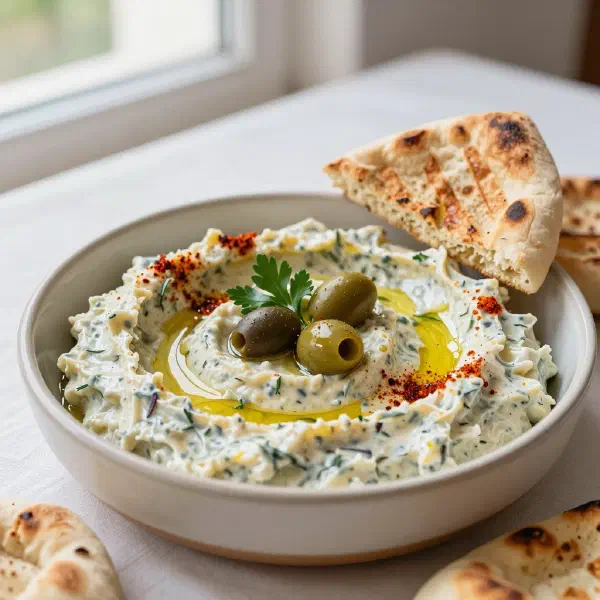
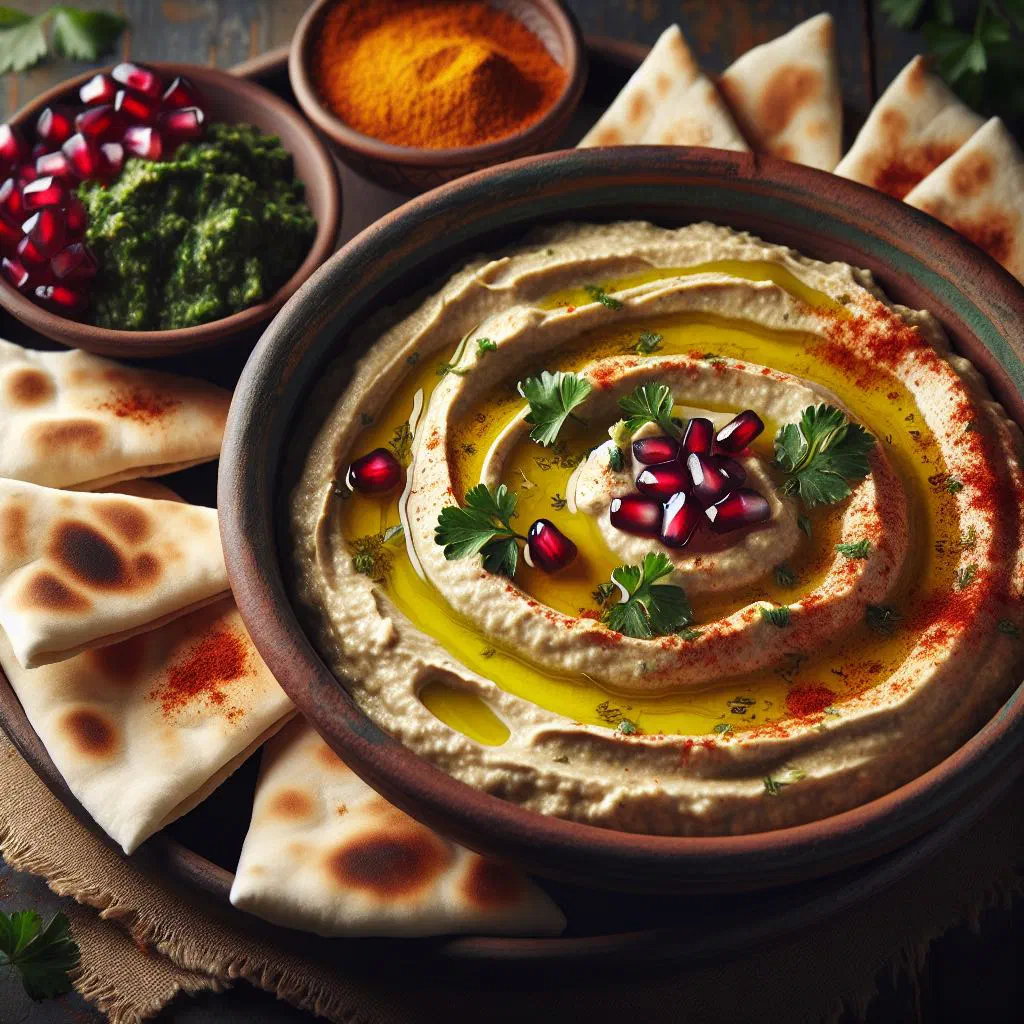
Presentation matters with a dish this simple. Serve baba ghanoush in a shallow bowl, using the back of a spoon to swirl small hollows across the surface, then drizzle the olive oil into them. Fresh parsley and a scattering of pomegranate seeds add colour and make the dip look every bit as good as it tastes. Warm flatbread on the side completes it.
A bit of history
Baba ghanoush has its roots in the cooking of the eastern Mediterranean, a tradition known for simplicity and for letting fresh ingredients speak. Aubergines have been among the region’s most important vegetables for centuries and are prepared in countless ways. This dip embodies a love of smoky roasted flavours built from few but flavourful components, which is exactly why it has become a fixture on meze tables across the region.
More recipe ideas
Summary: Baba Ghanoush
Baba ghanoush is a creamy, smoky aubergine dip that works perfectly as a starter or as part of a meze spread. With its combination of charred aubergine, tahini and bright fresh flavours, it brings the taste of the eastern Mediterranean straight to your kitchen. It is easy to make and endlessly adaptable, enjoy the depth and smokiness this classic has to offer.