National Dish Greece: Briam (Recipe)
In this article
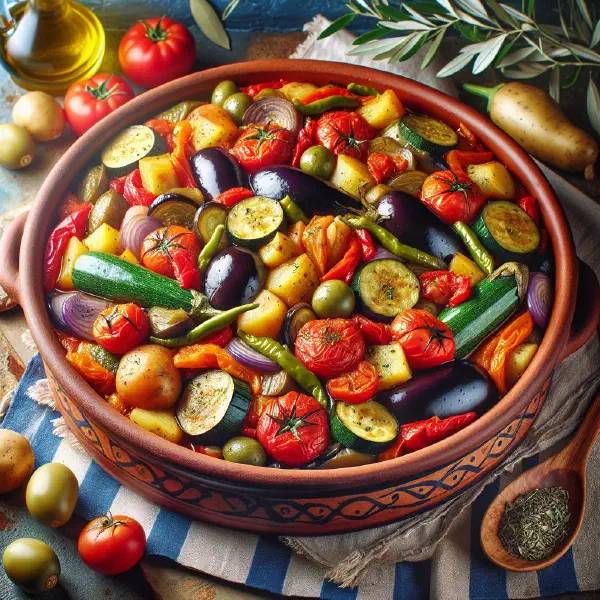
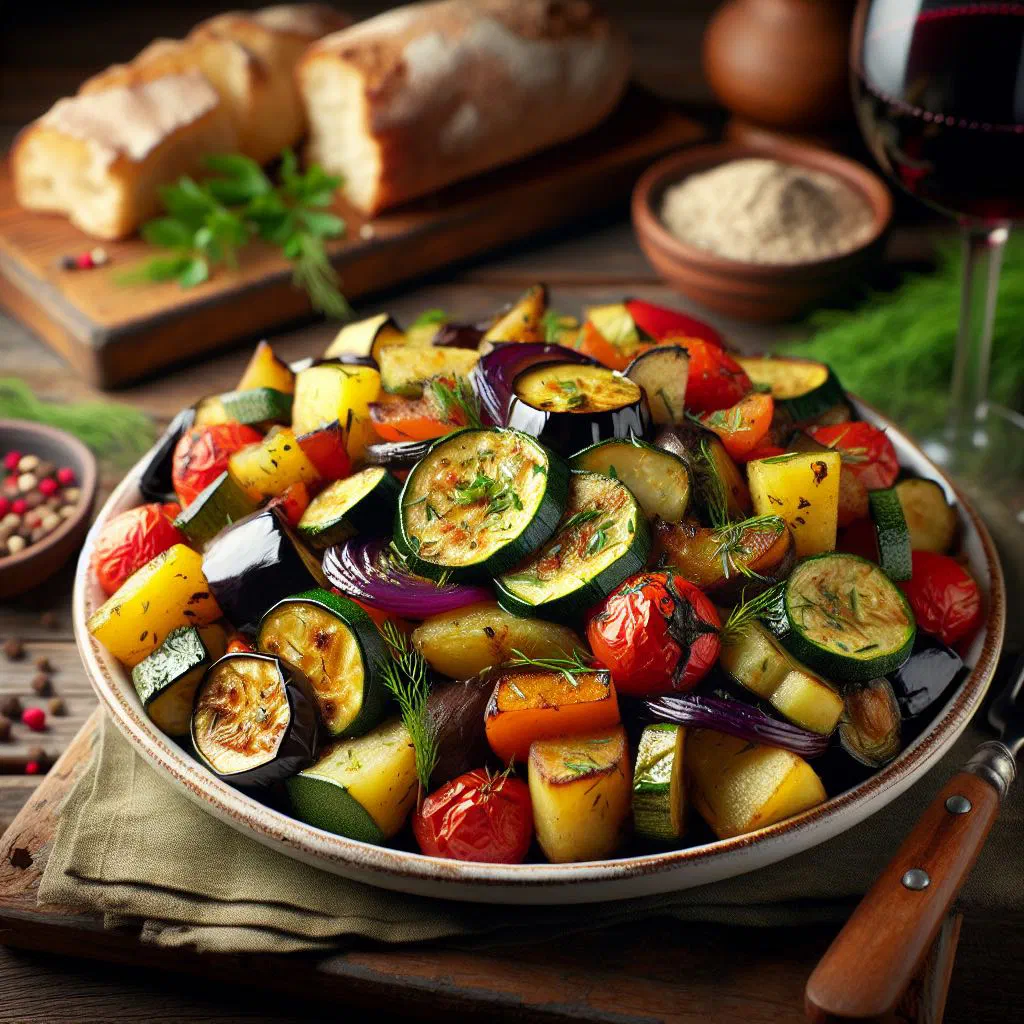
Say hello to Briam, the sun-soaked vegetable bake that sits at the very heart of the Greek table. Layers of potatoes, courgettes, aubergines, peppers and tomatoes are tumbled together with olive oil and fragrant herbs, then slow-roasted until meltingly soft and lightly caramelised. It is wholesome, bright and effortlessly vegan, a celebration of the Mediterranean garden that fills the kitchen with the scent of a Greek summer. Simple to prepare and impossible not to love.
About Briam
Briam is a traditional Greek dish that captures the spirit of Mediterranean cooking while being both healthy and full of flavour. It puts vegetables centre stage, bringing together a medley of fresh ingredients that roast to perfection in the oven. The combination of potatoes, courgettes, aubergines, peppers and tomatoes makes Briam a colourful, nourishing meal. Thanks to its uncomplicated preparation, even novice cooks can conjure up something delicious in no time at all.
Ingredients (serves 1–2)
- 2 medium potatoes
- 1 courgette
- 1 aubergine
- 1 red pepper
- 2–3 ripe tomatoes
- 3–4 tablespoons olive oil
- 1 onion
- 2–3 cloves garlic
- Fresh herbs (such as thyme and oregano)
- Salt and pepper, to taste
Shopping for the ingredients
Before you start cooking Briam, it is worth sourcing all your fresh produce with care. Pop along to a local market or greengrocer to pick up good-quality, seasonal ingredients. Choose vegetables at their very best, as this makes a real difference to the flavour of the finished dish. Where possible, reach for organic produce to bring out the natural taste and make the most of all those healthy nutrients.
Preparing the dish
The preparation of Briam is wonderfully straightforward. Begin by washing the vegetables and cutting them into even pieces so they roast uniformly. Peel the potatoes and slice them thinly. Prepare the onion and garlic too, chopping them finely. These small steps are key to the distinctive flavour combination that defines this dish.
Step-by-step instructions
- Preheat the oven to 180°C.
- Cut the vegetables into even pieces and tip them into a large roasting dish.
- Add the chopped onion and garlic.
- Drizzle the olive oil over the vegetables and season with salt, pepper and fresh herbs.
- Toss everything well so the vegetables are evenly coated in the herbs and oil.
- Bake for around 45–60 minutes, until the vegetables are tender and lightly golden.
Gluten-free / lactose-free version
Briam is naturally gluten-free and lactose-free, making it ideal for anyone with dietary restrictions. No special swaps are needed to make this dish suitable for a gluten-free or lactose-free diet. Enjoy the flavours with complete peace of mind while keeping your dietary needs in check. It is a perfect choice for a healthy and tasty evening meal.
Tips for vegans and vegetarians
Briam is an excellent option for vegans and vegetarians, since it is entirely plant-based. To make it even more satisfying, you could add extra vegetables such as carrots or mushrooms. Feel free to experiment with different herbs and spices to vary the flavour. That way the dish stays fresh and exciting every time, all while keeping in step with your eating habits.
More tips and tricks
To make Briam even more delicious, use fresh herbs such as thyme and oregano, which underline that classic Greek character. A splash of balsamic vinegar or a little crumbled feta before serving can bring out extra layers of flavour and round off the dish. Take care to layer the vegetables evenly to ensure they cook through at the same rate. The reward is a harmonious balance of flavours and textures.
Adapting the recipe to your taste
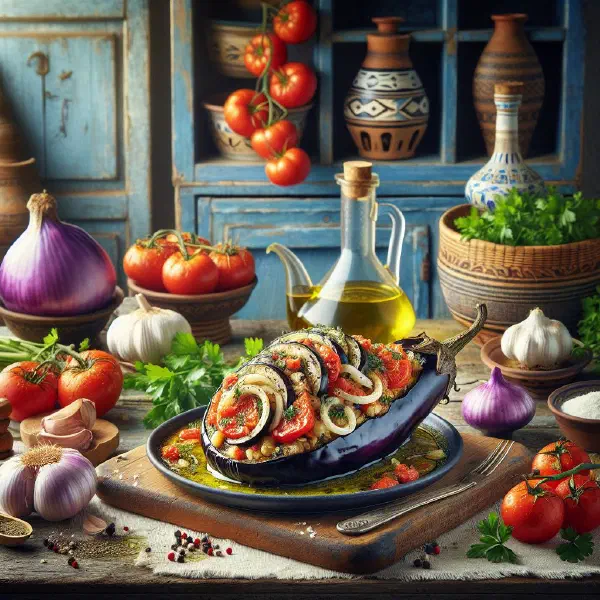
The Briam recipe can be adapted however you like. Add your favourite vegetables, for example, or swap in whatever is in season. The herbs and seasonings can vary too, opening the door to new taste experiences. This flexibility makes Briam a versatile dish that suits every palate and always tastes fresh, much like the rustic charm of a Kounoupidi Plaki.
Ingredient substitutions
If some of the listed ingredients are not to hand, there are plenty of alternatives. You might replace the aubergine with extra tender courgette, or leave out the pepper and use broccoli instead. These variations bring welcome variety and let you tailor Briam to whatever local produce you have. Be creative and discover exciting new combinations, the same playful spirit that defines Spanakorizo.
Drink pairing ideas
A delicious Briam pairs beautifully with light white wines such as a Greek Assyrtiko or a crisp rosé. If you prefer something alcohol-free, a homemade lemonade or a minty herbal tea makes a refreshing choice. Aim for drinks that complement the Mediterranean flavours, and your dinner becomes a harmonious whole.
Serving and presentation ideas
Presentation plays an important part in serving Briam at its best. Use a large, shallow serving platter and garnish the finished dish with fresh herbs or a little grated cheese. A colourful array of vegetables adds real visual wow factor too. Be sure to serve the dish warm and fresh to enjoy it at its very best.
A bit of history
Briam has its roots in traditional Greek cuisine, where it is often served as a side or a main course. It embodies the simple, healthy eating of the Mediterranean and is a fine example of making the most of seasonal vegetables. The use of olive oil as a base ingredient reflects the importance of this fine fat in Greek culture. Briam is a wholesome dish and a part of Greece’s culinary heritage.
More recipe ideas
Summary: Briam
In summary, Briam is a compelling example of the varied and healthy Greek kitchen. It is an easy dish to prepare that unites fresh vegetables with bright Mediterranean flavours. Vegan or simply a lover of Mediterranean food, Briam has something for everyone. Give it a go and bring a little piece of Greece into your own kitchen.