National Dish Greece: Dolmadakia (Recipe)
In this article
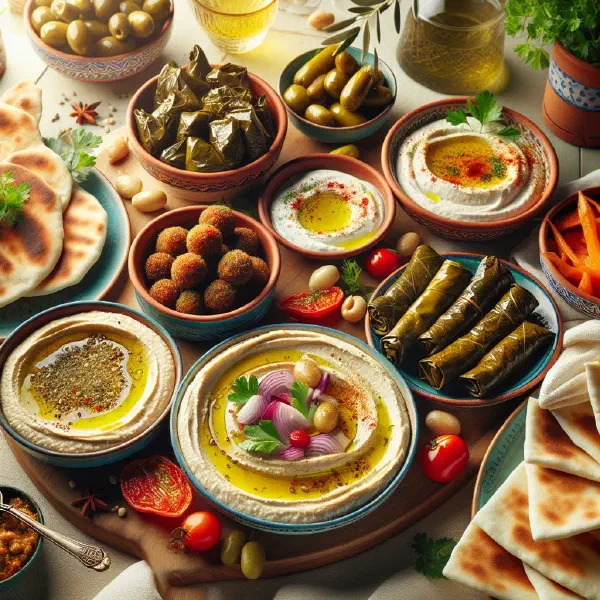
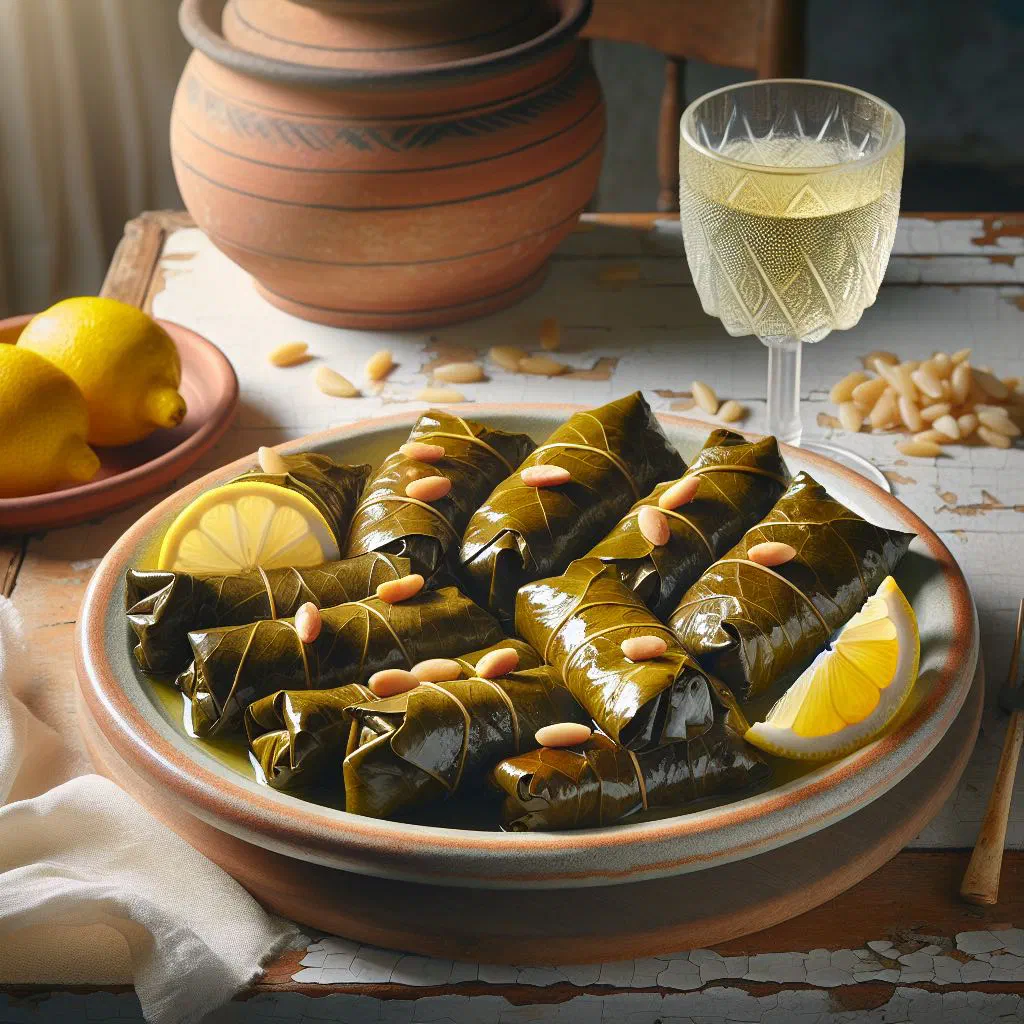
Discover Dolmadakia, one of Greece’s most beloved little bites. These tender vine leaves are rolled around a fragrant rice filling, scented with fresh dill and a squeeze of lemon. As pretty to look at as they are to eat, they bring the sunshine of the Mediterranean to any table, equally at home as a meze starter, a light main or part of a generous spread. Simple to make and impossible to resist, they are a true taste of Greek hospitality.
About Dolmadakia
Dolmadakia are a wonderful Greek speciality made from vine leaves wrapped around a delicately seasoned rice filling. They are most often served as a starter or a side dish and are always a hit at any gathering. With the right blend of herbs and spices and a little patience in the rolling, dolmadakia become a memorable taste of the Mediterranean. They sit proudly alongside other classics of Greek cuisine.
Ingredients (serves 1–2)
- 200 g vine leaves (fresh or preserved in brine)
- 100 g rice (basmati or short-grain works best)
- 1 onion, finely chopped
- 2 tablespoons olive oil
- 1 teaspoon paprika
- 1 teaspoon fresh dill, chopped (or ½ teaspoon dried)
- 1 lemon (for the juice)
- Salt and pepper, to taste
- Water or vegetable stock, for cooking
Shopping for the ingredients
Making dolmadakia begins with shopping for the ingredients. Take care to choose fresh, good-quality vine leaves, as they form the very foundation of this dish. Many Mediterranean or Middle Eastern grocers carry a wide selection of preserved vine leaves in jars, and they are increasingly easy to find online too. It is also worth making sure your rice is fresh, since it has a direct influence on the flavour and texture of the filling.
Preparing the dish
Before you start cooking, it is important to prepare all your ingredients with care. Rinse the rice thoroughly to wash away excess starch, which keeps the filling light. The onion should be finely chopped to improve both the flavour and the texture of the stuffing. Combining the herbs and spices with the olive oil and lemon juice gives the filling an aromatic lift and ensures your dolmadakia turn out especially delicious.
Step-by-step instructions
- Sauté the chopped onion in a pan with the olive oil until soft and translucent.
- Add the rinsed rice and fry for a few minutes, stirring.
- Stir in the paprika, dill, salt and pepper.
- Pour in water or vegetable stock and simmer until the rice has absorbed the liquid.
- Lay the vine leaves out on a clean surface and place a teaspoon of filling on each.
- Roll the leaves up snugly, tucking in the ends to seal the parcels.
- Layer the dolmadakia in a pan and cover with water or stock.
- Simmer gently over low heat for around 30 minutes, until tender.
Gluten-free / lactose-free version
Dolmadakia are naturally gluten-free and lactose-free, provided you do not use bulgur in the filling. The traditional recipe is easy to adapt, which makes it well suited to anyone with intolerances. Simply check that every ingredient you use, including the spices and stock, is also gluten-free.
Tips for vegans and vegetarians
Dolmadakia are an excellent choice for vegans and vegetarians, since they are made entirely from plant-based ingredients. To make the dish even more colourful and nourishing, you can fold finely chopped vegetables such as peppers or tomatoes into the filling. These extras add both flavour and vitamins, while a scattering of nuts or dried fruit can introduce intriguing new notes. Much like Spanakorizo, it shows just how satisfying meat-free Greek cooking can be.
More tips and tricks
A few simple tricks will help you make perfect dolmadakia. If you are using vine leaves from a jar, rinse them first in hot water to soften their briny tang. It can also be helpful to prepare the filling a day ahead, giving the flavours time to develop fully. Keep an eye on the size of your rolls, the more filling you use, the larger the dolmadakia, which in turn affects their cooking time.
Adapting the recipe to your taste
The recipe for dolmadakia adapts beautifully to personal preference. Try different spices such as cumin or a pinch of cinnamon for a different character. You can vary the filling too: meat lovers might add a little minced lamb or beef, while others may prefer to pack in even more vegetables. There is no single “right” way to make them.
Ingredient substitutions
If you do not have every ingredient to hand, there are plenty of alternatives to try. Cabbage leaves can stand in for vine leaves and hold a tasty filling just as well, the same approach you will find in Lahanodolma and Yiaprakia. For the rice, quinoa or couscous both work, depending on what you prefer or have available. Just remember to adjust the cooking time to suit the ingredient you choose.
Drink pairing ideas
Dolmadakia go particularly well with refreshing drinks. A cool, fruity Retsina or a crisp white wine makes an ideal companion, echoing the relaxed spirit of a Tsipouro Meze spread. For an alcohol-free option, a minty lemonade or a light herbal tea is just the thing. These drinks highlight the flavour of the dolmadakia and turn the meal into a complete experience.
Serving and presentation ideas
Thoughtful presentation can lift the whole dolmadakia experience. Arrange the stuffed vine leaves on a large platter and garnish with fresh herbs such as mint or parsley. A squeeze of fresh lemon over the top brings flavour and brightness. A yoghurt dip or a garlicky sauce, think of a cool Tzatziki with Mint, pairs wonderfully and makes the dish even more appealing.
A bit of history
Dolmadakia have a long and fascinating history stretching back to antiquity. These stuffed vine leaves are a hallmark of both Greek and wider Eastern Mediterranean cooking, and were originally made with a range of fillings, from meat to rice. Over the centuries the recipes have evolved, and many regions have developed their own distinctive versions. Today dolmadakia are a much-loved dish throughout the Mediterranean and the Near East, enjoyed by food lovers the world over.
More recipe ideas
Summary: Dolmadakia
All in all, dolmadakia are far more than a simple snack. They are a dish steeped in history and tradition. They are easy to make and leave plenty of room for creativity and variation. A main course or a side, these stuffed vine leaves are perfect for any occasion. Gather your ingredients and savour both the making and the eating of this delicate Mediterranean treat.