National Dish Greece: Dolmades (Recipe)
In this article
Discover Dolmades, one of the great treasures of the Greek table. These delicate parcels of tender vine leaves wrapped around a fragrant filling of rice, fresh herbs and lemon are a true taste of the Mediterranean. Their gentle, tangy flavour brings a little sunshine to any plate. Roll up your sleeves and bring the warmth of Greek hospitality straight to your own kitchen.
About Dolmades
Dolmades are a traditional Greek dish prized the world over for their delicious flavours and their elegant preparation. They consist of vine leaves wrapped around a filling of rice and seasonings. Often served as a starter, they also make an excellent main course in their own right. The combination of the tender, slightly tangy leaves with the savoury, herb-flecked filling makes Dolmades a genuine treat enjoyed at family meals and festive gatherings alike.
Ingredients (serves 1–2)
- 200g rice (ideally short-grain)
- 200g fresh vine leaves, or 1 jar of preserved vine leaves
- 1 onion, finely chopped
- 2–3 tablespoons olive oil
- 1 teaspoon dried dill
- 1 teaspoon fresh lemon juice
- Salt and pepper, to taste
- Water or vegetable stock, for cooking
Shopping for the ingredients
The journey to homemade Dolmades begins with shopping for the right ingredients. Fresh vine leaves are ideal but can be hard to find out of season. Many Mediterranean or Turkish grocers also stock preserved vine leaves, which work perfectly for this recipe. Pay attention to quality when you buy, especially when it comes to the olive oil, as it has a strong influence on the flavour of the finished dish.
Preparing the dish
Before you start making Dolmades, it pays to have all your ingredients ready. The rice needs to be rinsed thoroughly and partly cooked so it reaches just the right consistency. The onions should be finely chopped to ensure they spread evenly through the filling. Adding seasonings such as dill and lemon juice gives the dish its unmistakable character and turns it into a real culinary experience.
Step-by-step instructions
- Rinse the rice well in a sieve, then cook it in a pan of water or vegetable stock until almost tender.
- Meanwhile, sauté the onions in olive oil until soft and translucent.
- Add the partly cooked rice to the onions and mix well.
- Season with dill, lemon juice, salt and pepper, then let the mixture cool.
- Spread the vine leaves out on a clean work surface and place about a tablespoon of the rice filling in the centre of each.
- Fold in the sides of the leaves and roll them up snugly so the filling is enclosed.
- Layer the Dolmades in a pan, cover with water or stock, and cook over a medium heat for about 30 minutes.
Gluten-free / lactose-free version
Dolmades are naturally a gluten-free dish, as they are made mainly from rice and vine leaves. To keep the preparation lactose-free, simply use olive oil rather than butter or cream. Steer clear of any ingredients that contain lactose, such as cheese, should they appear in a variation of the recipe. With these straightforward adjustments you can enjoy Dolmades without worrying about gluten or lactose.
Tips for vegans and vegetarians
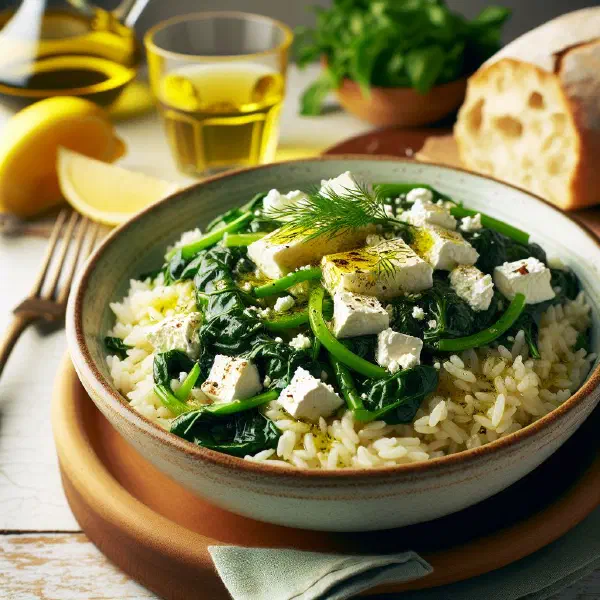
Dolmades are already an excellent choice for vegans and vegetarians, since they contain only plant-based ingredients. To add even more flavour, work fresh herbs such as parsley or mint into the filling. Make sure any stock you use is also plant-based. Serve the Dolmades with a vegan yoghurt sauce or a tahini-based dip for a truly memorable taste. The same generous, herb-forward spirit runs through dishes like Spanakorizo.
More tips and tricks
A few simple tricks can help you make truly delicious Dolmades. Try adding toasted pine nuts or raisins to the rice filling for a sweeter, richer variation. Rolling the leaves tightly and neatly keeps the filling from spilling out during cooking. Another handy tip is to cook them in a shallow pan and place a plate on top to stop the Dolmades from unrolling as they simmer.
Adapting the recipe to your taste
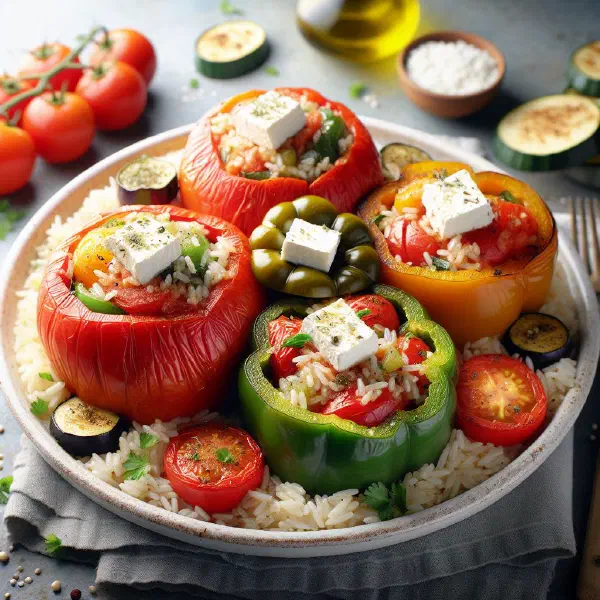
The beauty of Dolmades lies in their flexibility. The recipe is easy to tweak to suit every palate. Feel free to adjust the balance of herbs and spices to your personal taste, or even swap in quinoa for the rice as a wholesome alternative. Other creative variations include adding vegetables such as peppers or carrots to the filling, or using a mix of lemon juice and water as your cooking liquid for extra brightness.
Ingredient substitutions
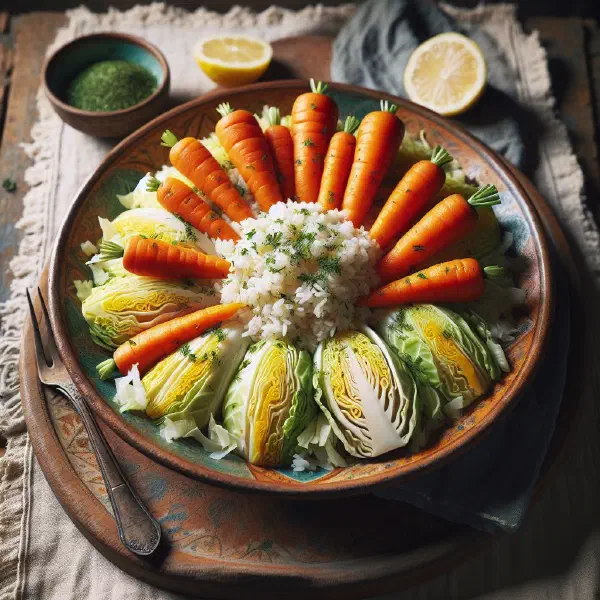
If some ingredients are hard to find or simply not to your liking, there are plenty of alternatives. In place of rice you could use bulgur or couscous, both of which lend an interesting texture. When fresh vine leaves are not available, try wrapping the filling in cabbage or chard leaves instead, the very technique behind Lahanodolma and Yiaprakia. For a spicier note, add a little chilli powder or freshly ground pepper to bring the flavours forward.
Drink pairing ideas
Dolmades pair beautifully with a range of drinks. A crisp, dry white wine such as a Greek Assyrtiko matches the flavours of the dish perfectly. If you would rather skip the alcohol, sparkling lemonade or a fresh homemade lemon drink make excellent non-alcoholic alternatives. A refreshing herbal tea is another lovely way to round off the aromas of the Dolmades.
Serving and presentation ideas
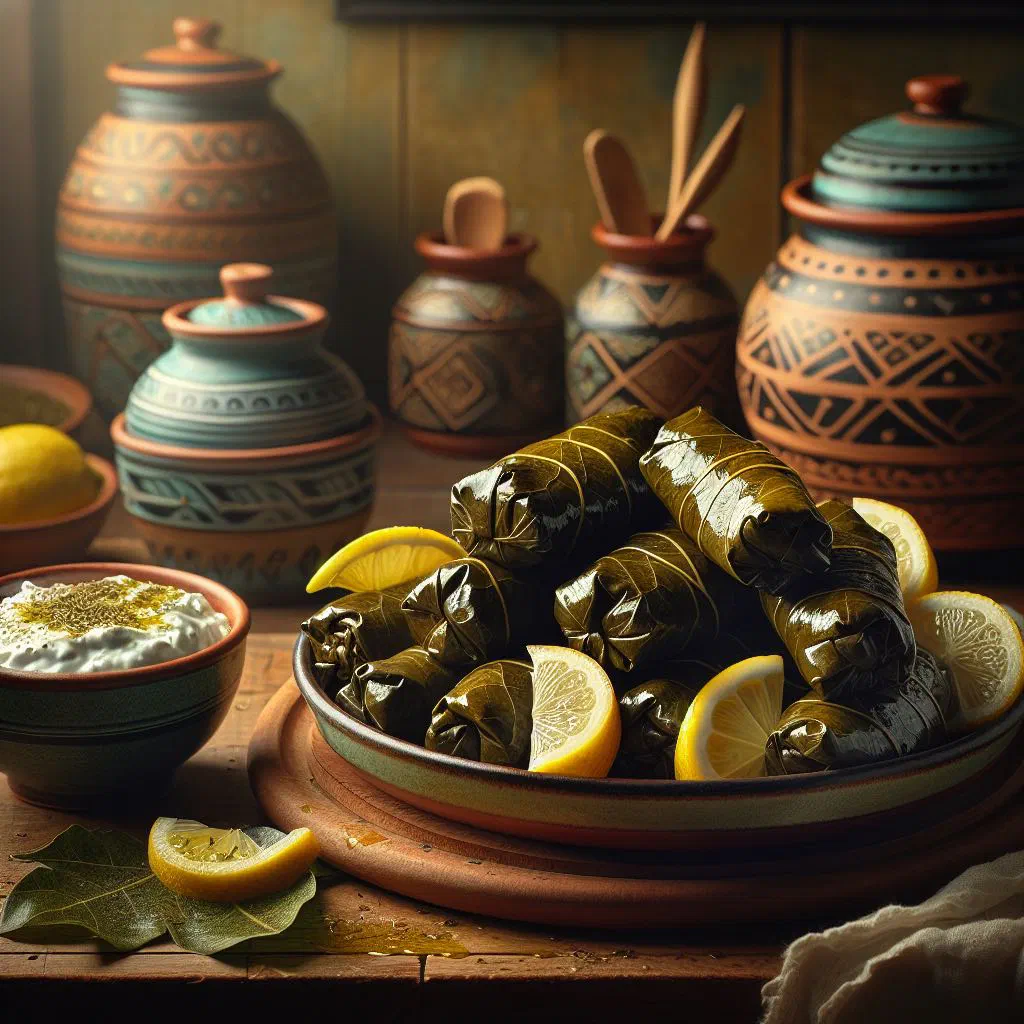
The presentation of your Dolmades can lift the whole dining experience. Arrange them on an attractive plate and decorate with fresh herbs or lemon slices. A drizzle of olive oil and a light dusting of paprika adds an extra hit of colour and flavour. Lay everything out as appetisingly as possible to make the dish look as inviting as it tastes.
A bit of history
Dolmades carry a long historical tradition within Mediterranean cooking. The dish originally hails from the eastern Mediterranean and is especially well known in Greek and Turkish culture. It has been passed down from generation to generation over the centuries, with each region developing its own variation and technique. Today the dish is a symbol of Greek hospitality and is often served at celebrations and special occasions, a cornerstone of Greek cuisine.
More recipe ideas
Summary: Dolmades
Dolmades are a delicious and versatile dish that is easy to prepare and offers endless room for variation. By using fresh ingredients, you end up with a meal that is both wholesome and rich in flavour. They bring a touch of Greece straight to your table. Give this recipe a try and let yourself be won over by its bright flavours and satisfying preparation.