National Dish Greece: Eliopita (Recipe)
In this article
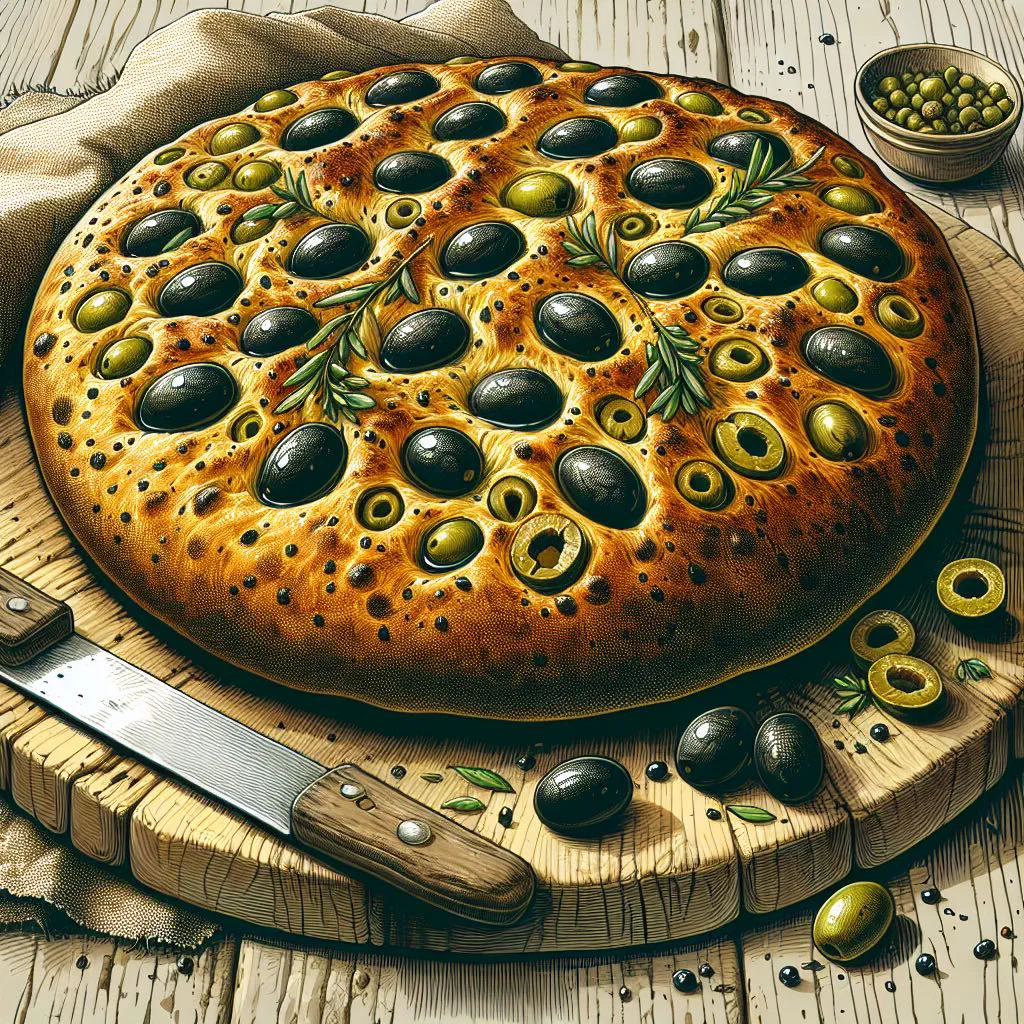
Discover Eliopita, the rustic Greek olive bread that brings a taste of the Mediterranean straight to your table. This savoury loaf marries the rich, briny depth of fresh olives with fragrant herbs and a bright hint of lemon. Equally at home as an afternoon snack or as a side at a festive spread, it has a moist crumb and an unmistakable aroma. Few things capture the warmth of a Greek kitchen quite so simply.
About Eliopita
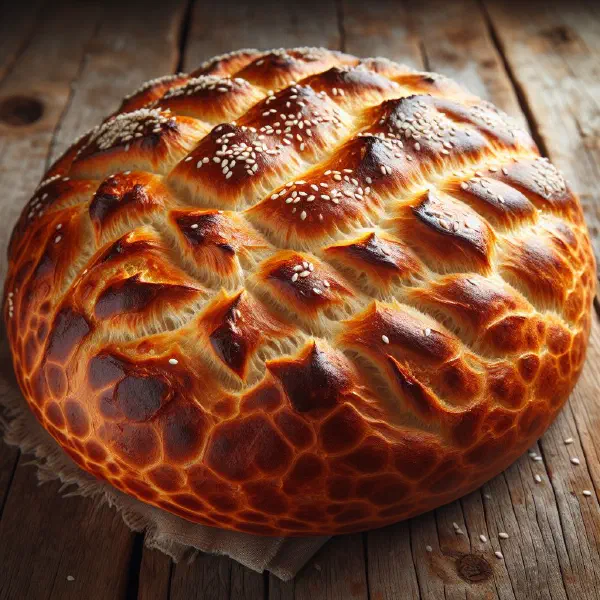
Eliopita is a traditional Greek olive bread that has long been prepared in homes across Greece. This delicious loaf brings together the hearty flavour of fresh olives with aromatic herbs and a delicate note of lemon. It is often served as a snack or a side dish and is perfect for festive occasions. With its moist texture and distinctive aroma, eliopita brings a little piece of the Mediterranean to any dinner table, a humble yet beloved example of Greek cuisine.
Ingredients (serves 1–2)
- 200 g flour
- 100 g fresh olives (black or green)
- 50 ml olive oil
- 50 ml water
- 1 tsp baking powder
- 1 tsp dried oregano
- 1 tsp lemon juice
- Salt and pepper, to taste
Shopping for the ingredients
When shopping for eliopita, it is well worth choosing fresh, good-quality ingredients. With the olives, look for a high degree of freshness and the right level of ripeness to get the best flavour. The flour ideally should be wholemeal or unrefined for a more nourishing choice. Herbs and olive oil from local producers can also have a positive effect on the taste of the finished bread.
Preparing the dish
Preparing eliopita is straightforward and takes only a few steps. Begin by chopping the olives into small pieces. Squeeze the lemon, too, to get fresh lemon juice. To bring out the full aroma of the herbs, rub them gently between your fingers. This bit of groundwork is key to a flavourful end result that brings all the elements together.
Step-by-step instructions
- Preheat the oven to 180°C.
- In a bowl, combine the flour, baking powder, salt, pepper and oregano.
- Add the diced olives, the olive oil and the lemon juice, and mix everything well.
- Pour in the water a little at a time while kneading the dough, until it is soft and supple.
- Shape the dough into a loaf and place it on a baking tray lined with baking paper.
- Bake the bread for about 30–35 minutes, until the surface is golden brown.
- Once baked, let the bread cool a little before slicing.
Gluten-free / lactose-free version
For a gluten-free version of eliopita, you can use a gluten-free flour that is well suited to bread. Keep an eye on the consistency of the dough, as gluten-free flour can sometimes need a little more liquid. For a lactose-free preparation it is best to use plant-based oils and to make sure all the ingredients are free from lactose. That way you can be confident every guest will be able to enjoy your eliopita.
Tips for vegans and vegetarians
Eliopita is naturally a vegetarian pleasure that adapts beautifully to a vegan diet. Take care that the flour and the other ingredients contain no animal products. For extra flavour you can work even more vegetables, such as peppers or courgette, into the dough. This adds more nutrients and a more intense aroma, making the bread all the more versatile.
More tips and tricks
A few small tricks can make preparing eliopita considerably easier. You can make the dough the day before, for instance, and keep it in the fridge ready to bake when needed. The bread can also be frozen in small portions, so you always have a tasty snack on hand. Experiment with different herbs or spices, too, to discover new flavour combinations, much like the herb-laced Skordopsomo garlic bread.
Adapting the recipe to your taste
The wonderful thing about eliopita is how easily it bends to personal taste. Add feta cheese for a creamy note, for example, or use different varieties of olive to vary the aroma. Experimenting with award-winning olive oils can lift the eating experience another notch.
Ingredient substitutions
If you do not have fresh olives to hand, roasted olives or even dried olives can be used, although this may shift the flavour slightly. You can also use rapeseed oil in place of olive oil for a lighter version of the bread. The baking powder can be swapped for yeast if you prefer, though this will change the baking time. Feel free to experiment and find the alternatives that suit you best.
Drink pairing ideas
Eliopita pairs wonderfully with a range of drinks. A light Greek white wine goes beautifully alongside it and brings out the bread’s flavours. Alternatively, refreshing Greek fruit drinks or simply sparkling water with a slice of lemon make fine choices. Think about what your guests will enjoy most, and keep the drinks varied to suit the occasion.
Serving and presentation ideas
An appealing presentation can heighten the eliopita experience even further. Serve the bread on a handsome wooden board or a decorative platter and garnish it with fresh herbs. A few olives and pieces of feta or tomato beside the loaf can dress the dish up nicely. Take inspiration from a bright Tomatensalat mit Feta when building your spread, and let your creativity run free to impress your guests.
A bit of history
Eliopita has its origins in the rich and varied food culture of Greece. This bread was traditionally made in the rural regions of the country, where fresh olives and herbs were readily at hand. It symbolises the union of nature and tradition and is often served on special occasions. Thanks to its popularity, it has since spread well beyond the borders of Greece.
More recipe ideas
Summary: Eliopita
In short, eliopita is a versatile and delicious Greek olive bread that is wonderfully simple to make. With its combination of fresh olives and aromatic herbs, it is a highlight of any meal. It works splendidly as a snack or a side dish and can easily be adapted to suit different dietary needs. Give it a try and enjoy a slice of Greek culture in your own kitchen.