National Dish Greece: Fasolada Kokkinisti (Recipe)
In this article
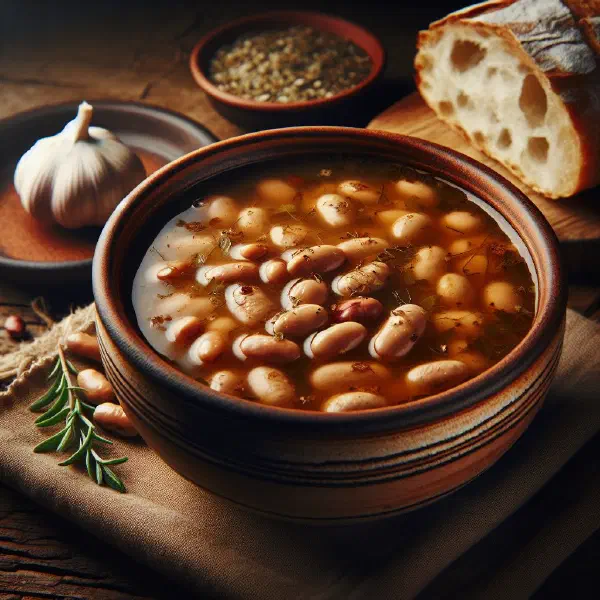
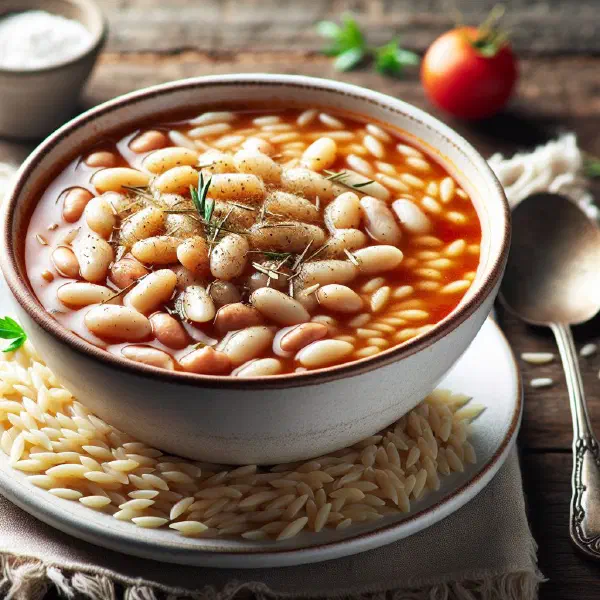
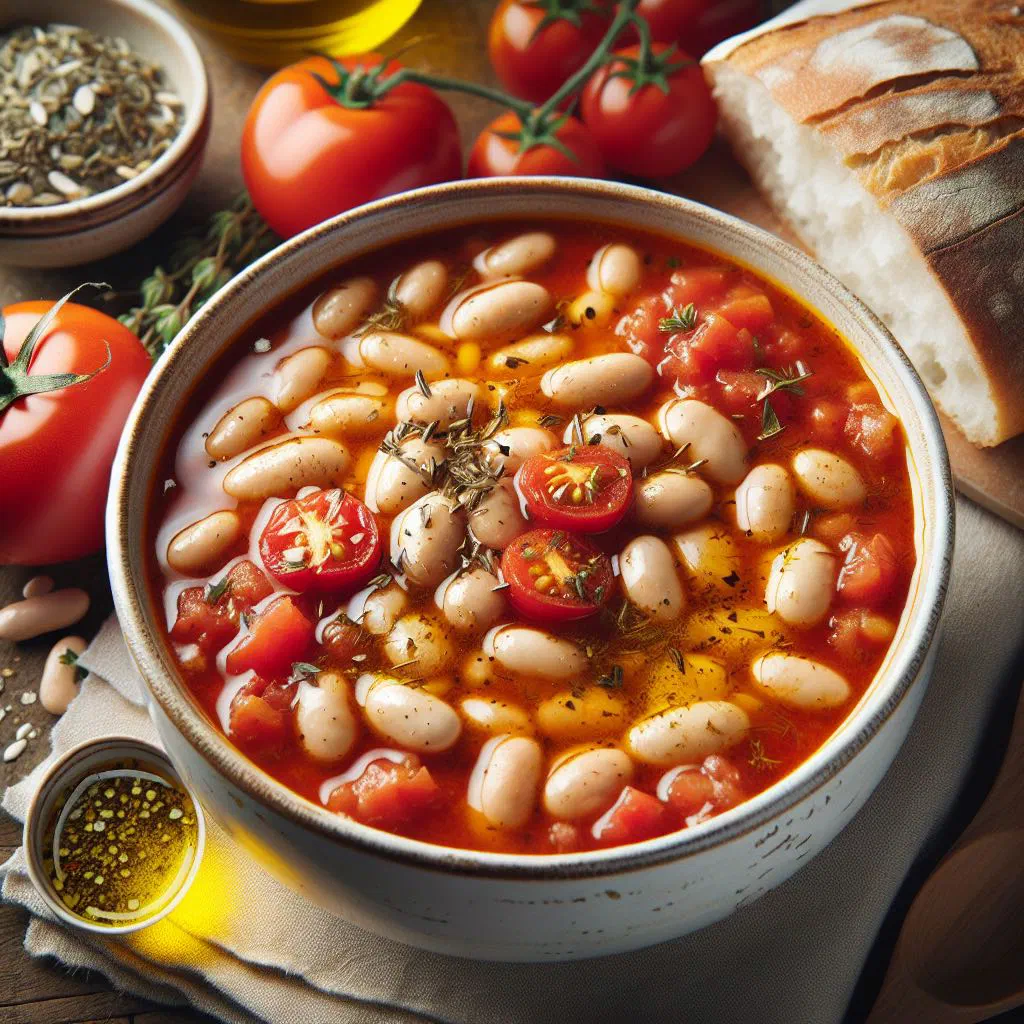
Say hello to Fasolada Kokkinisti, the hearty bean stew that many Greeks proudly call their national dish. Simmered slowly with white beans, sweet vegetables and a tomato-rich broth, it is the kind of food that warms you from the inside out. Fragrant with oregano and good olive oil, it is humble, nourishing and endlessly satisfying. Bring a little Greek sunshine to your own table with this comforting Mediterranean classic.
About Fasolada Kokkinisti
Fasolada Kokkinisti is a much-loved traditional Greek dish that holds a special place in the country’s kitchens. This delicious bean stew brings together tender white beans, fresh vegetables and Mediterranean herbs to create a meal that is wonderfully tasty and genuinely nourishing. It is straightforward to prepare and the ingredients are easy to find in any well-stocked supermarket. More than just something to fill you up, fasolada is a true symbol of Greek culture and everyday home cooking.
Ingredients (serves 1–2)
- 200 g dried white beans
- 1 large onion, diced
- 2 carrots, sliced
- 2 sticks celery, chopped
- 1 tin chopped tomatoes
- 2–3 tablespoons olive oil
- 1 teaspoon oregano
- 2 bay leaves
- Salt and pepper, to taste
- Fresh parsley, to garnish
Shopping for the ingredients
The ingredients for fasolada are easy to find and usually very affordable. Start by looking for good-quality dried white beans, as they form the very heart of the dish. Pop into a local market or supermarket to pick up fresh vegetables such as onions, carrots and celery. It is well worth choosing a high-quality olive oil, since it makes a real difference to the depth and flavour of the finished stew.
Preparing the dish
Preparing fasolada can vary a little depending on your experience, but it is generally very straightforward. First, the dried beans need to soak overnight to rehydrate them and shorten the cooking time. While they soak, you can chop the vegetables finely and have them ready to go, which makes the cooking process much smoother. Organising your ingredients and utensils in advance helps everything come together at a relaxed, steady pace.
Step-by-step instructions
- Bring the soaked beans to the boil in a pan of water.
- Let the beans cook for 20 minutes, then drain them.
- Heat the olive oil in a large pan and sauté the onions until translucent.
- Add the carrots and celery and fry for a further 5 minutes.
- Stir in the chopped tomatoes, oregano and bay leaves and mix well.
- Return the beans to the pan and top up with enough water to cover.
- Simmer gently over low heat for about 40–60 minutes, until the beans are soft.
- Season with salt and pepper and garnish with fresh parsley.
Gluten-free / lactose-free version
Fasolada is naturally gluten-free and lactose-free, which makes it a brilliant choice for anyone with related allergies or intolerances. Simply take care to use only natural, unprocessed ingredients so there are no hidden allergens lurking in the pan. This dish slots easily into a healthy, varied diet, and it is a lovely example of just how delicious and nourishing plant-based cooking can be.
Tips for vegans and vegetarians
Fasolada is already vegan and vegetarian, which makes it a fantastic option for either way of eating. To deepen the natural flavour even further, you might add extra vegetables or a splash of vegetable stock. Experiment with different Mediterranean herbs such as thyme or rosemary to give the stew your own personal stamp. Small touches like these can enrich the taste noticeably and lend the dish a whole new dimension.
More tips and tricks
To get the very best from your fasolada, a few handy tips can help. You could cook the beans in a pressure cooker, for instance, to cut the cooking time considerably. A long, slow simmer does build a more intense flavour, but patience is not always on the menu. Another nice trick is to add a squeeze of lemon juice at the end of cooking, which freshens the aromas and lifts the whole dish. The same bright, herby spirit shines in Spanakorizo, another Greek favourite worth trying.
Adapting the recipe to your taste
Everyone has different tastes, so it is well worth tailoring the recipe for fasolada to your own preferences. Feel free to add different vegetables, such as courgette or peppers, to bring in more variety. You can vary the herbs and seasonings too, creating a stew that suits you exactly.
Ingredient substitutions
If you do not have certain ingredients to hand, there are good alternatives that still make a tasty fasolada. Instead of white beans you could use kidney beans or lentils, each lending the dish a different texture and flavour, much like the generous beans that star in Fasolia Gigantes. For the tomato sauce you can use fresh tomatoes, though these should be peeled and puréed beforehand. This way you can adapt the recipe to what is in season and to your own taste.
Drink pairing ideas
A hearty bean stew like fasolada pairs beautifully with a light, refreshing drink. A crisp Greek white wine, such as an Assyrtiko, complements the Mediterranean flavours perfectly. Alternatively, you could serve a fresh lemon and ginger tea or simply some sparkling water with a slice of lemon. These drinks provide a lovely balance to the stew and underline the convivial spirit of sharing a meal together.
Serving and presentation ideas
The way you present fasolada can really shape the experience of eating it. Serve the stew in rustic earthenware pots or generous bowls to evoke a traditional Greek atmosphere. Garnish the dish with fresh parsley or a drizzle of olive oil to make it look thoroughly inviting. You might also offer freshly baked bread or pita on the side, perfect for mopping up the delicious broth, as you might with a slice of Skordopsomo.
A bit of history
Fasolada is often described as “poor people’s food”, but in truth it is a dish with deep cultural meaning in Greece. It represents the simplicity and variety of Greek cooking and is traditionally made in homes the length and breadth of the country. Whether in a rural village or a busy city, fasolada is a dish passed down from one generation to the next. That tradition makes it delicious and a nostalgic experience for many Greeks, much like the comforting heart of all Greek cuisine.
More recipe ideas
Summary: Fasolada Kokkinisti
In short, Fasolada Kokkinisti is a little piece of Greek culture brought into your home. With simple ingredients and an uncomplicated method, it is easy to try this hearty bean stew for yourself. The scope for adapting it is enormous, so everyone can vary the dish to suit their own taste. Savour the flavours and the warmth of this comforting meal, and bring a touch of Greek flair to your kitchen.