National Dish Greece: Fasolada (Recipe)
In this article
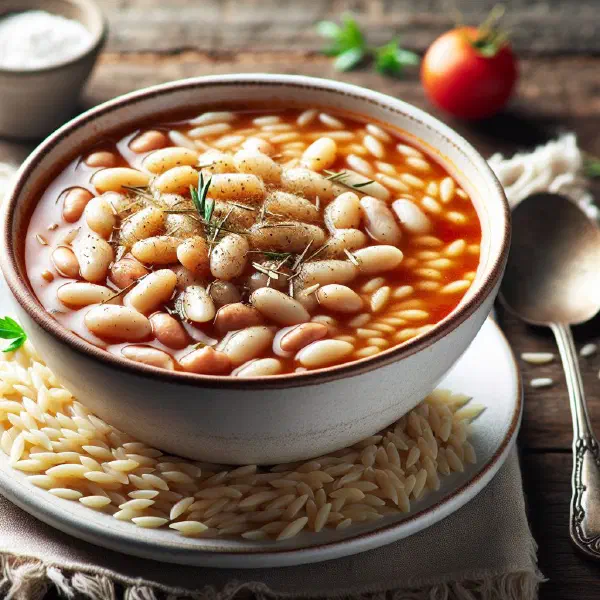
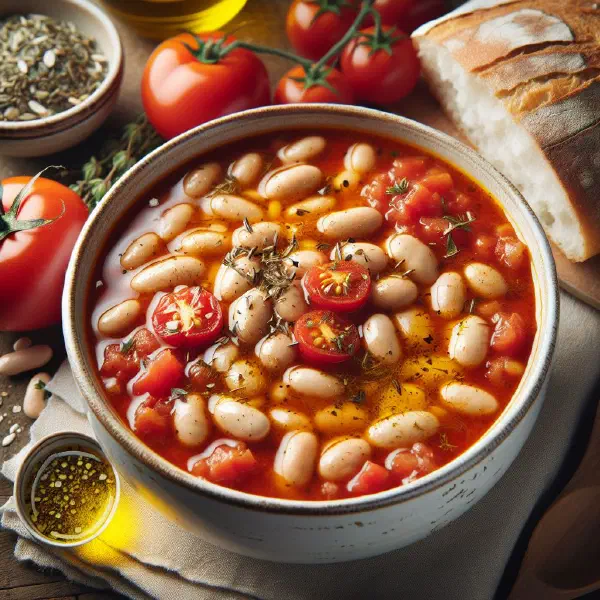
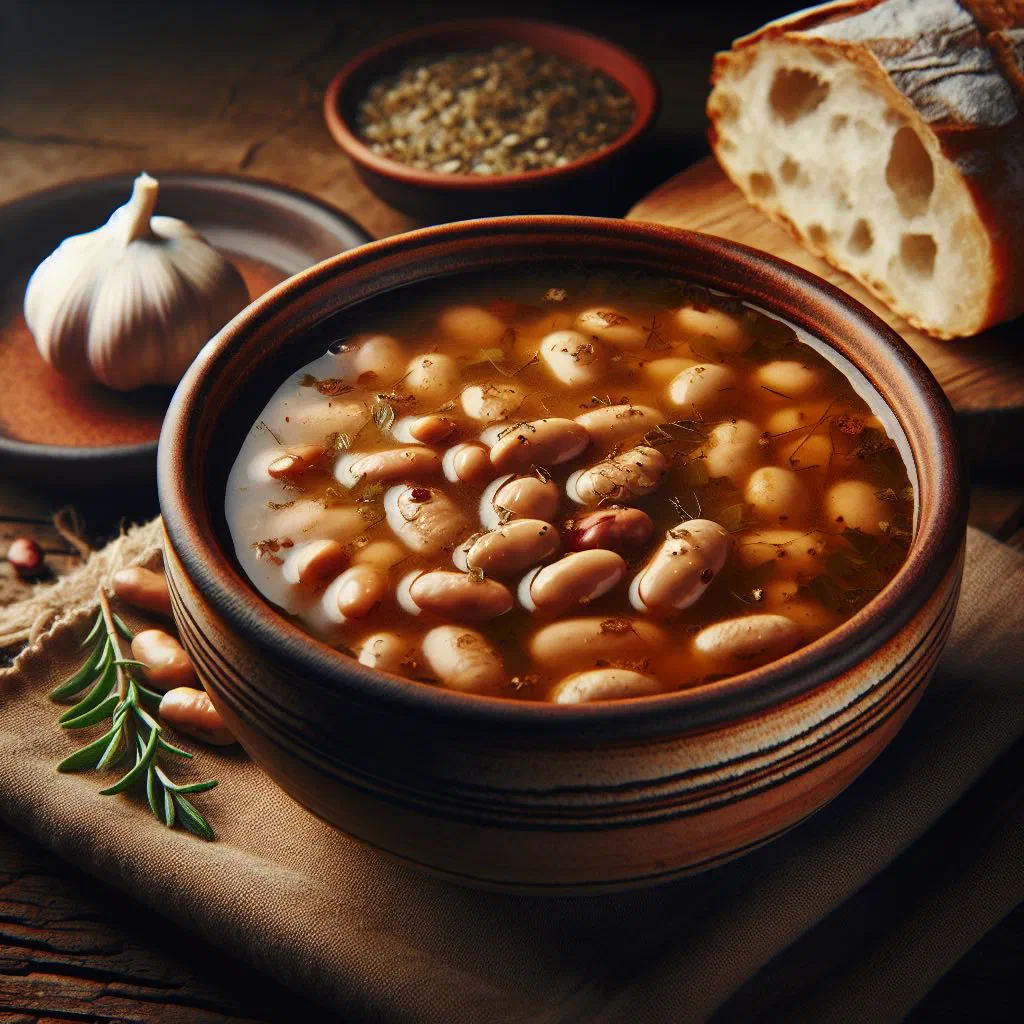
Say hello to Fasolada, the humble bean soup that many Greeks proudly call their true national dish. This wholesome, vegan bowl brings together creamy white beans, ripe tomatoes and a medley of fresh vegetables for a meal that is as nourishing as it is comforting. Rich in fibre, vitamins and warm Mediterranean flavour, it is the kind of dish that fills the kitchen with aroma and the table with conversation. Simple, frugal and deeply satisfying, Fasolada is sunshine in a bowl.
About Fasolada
Greek Fasolada is a traditional dish that is delicious and remarkably good for you. This hearty bean recipe marries the flavours of the Mediterranean with a generous handful of fresh ingredients, and it is often enjoyed as a complete meal in its own right. It lends itself beautifully to cooking in larger batches, making it ideal for feeding a crowd or for keeping in the fridge through a busy week. Fasolada is packed with fibre, vitamins and minerals, all of which help support good health.
Ingredients (serves 1–2)
- 200 g white beans (such as cannellini or navy beans)
- 1 onion, roughly chopped
- 1–2 carrots, sliced
- 1 stick of celery, finely chopped
- 2–3 tomatoes, roughly diced, or 400 g tinned tomatoes
- 3 tablespoons olive oil
- 1–2 garlic cloves, finely chopped
- 1 teaspoon dried oregano
- Salt and pepper, to taste
- Fresh parsley, to garnish
Shopping for the ingredients
For the best Greek Fasolada, fresh, good-quality ingredients make all the difference. Visit your local market or a wholefood shop to track down the finest white beans and freshest vegetables. Make sure the beans are well rinsed and free from preservatives so you can enjoy their pure, earthy flavour. In season, you can often pick up fresh herbs such as parsley or oregano straight from the market stall, which only deepens the aroma of the finished dish. The same care with seasonal produce pays off in Greek cuisine generally.
Preparing the dish
Before you start cooking, the white beans need to soak for at least 8 hours, which shortens their cooking time and makes them easier to digest. Once they have soaked, rinse them thoroughly. Chop all of your vegetables in advance so that everything is ready before you begin. The classic trio of onion, carrot and celery creates an aromatic base that underpins the characteristic flavour of Fasolada.
Step-by-step instructions
- Bring the soaked beans to the boil in a pan of fresh water. Cook for 10–15 minutes, then drain.
- Heat the olive oil in a large pan and sauté the onion and garlic until soft and fragrant.
- Add the carrots and celery and fry for a further 5 minutes.
- Stir in the cooked beans and the tomatoes, then top up with water until everything is well covered.
- Add the oregano, salt and pepper, bring to the boil, then lower the heat and simmer for 30–40 minutes.
- Taste and adjust the seasoning if needed. Garnish with chopped parsley and serve warm.
Gluten-free / lactose-free version
Greek Fasolada is naturally gluten-free and lactose-free. Its main ingredients are simply pulses, vegetables and seasonings, which makes it ideal for anyone with intolerances or allergies. Just take care when buying ingredients such as stock or tinned tomatoes to choose products that are guaranteed gluten-free. For an equally allergy-friendly Greek choice, the chickpea-based Revithokeftedes are well worth a look.
Tips for vegans and vegetarians
Fasolada is a wonderful choice for meat eaters and for vegans and vegetarians, who will find plenty to love. Thanks to its filling ingredients, it keeps you satisfied for hours. If you would like to boost the protein, you can stir in quinoa or add extra pulses. For a special twist, vegan sausages or tofu make a lovely accompaniment on the side.
More tips and tricks
To intensify the flavour of your Fasolada, add a splash of lemon juice before cooking. This brightens the soup and aids digestion. Let the soup rest overnight in the fridge so the flavours have time to meld fully. You can also experiment with different herbs, such as thyme, to discover a new layer of taste.
Adapting the recipe to your taste
The beauty of Fasolada lies in its versatility. You can throw in different vegetables, such as peppers or courgettes, to change up the texture and flavour. A pinch of chilli adds a fiery note that fans of spicier food will adore. Simply tweak the ingredients to suit you, and you may well stumble upon a new favourite version. For another vegetable-forward Greek classic, try the slow-baked Zucchini Briam.
Ingredient substitutions
If you would rather not use the white beans we recommend, other pulses such as black beans or chickpeas work just as well, each bringing its own flavour and texture to the dish. Lovers of larger, creamier beans might enjoy them in Fasolia Gigantes. In place of fresh tomatoes, you can reach for passata or chopped tinned tomatoes, depending on what you prefer. With swaps like these, Fasolada stays endlessly varied and interesting.
Drink pairing ideas
A number of drinks complement the flavours of Greek Fasolada beautifully. A Greek rosé or a refreshing cucumber-and-mint detox water both pair wonderfully with the soup’s robust aromas. A dry white wine or a glass of crisp sparkling water can round off the experience nicely too. For an alcohol-free option, a cup of hibiscus tea is another excellent choice.
Serving and presentation ideas
Thoughtful presentation can make all the difference with Fasolada. Serve the soup in an attractive, deep bowl and garnish it with fresh herbs. A piece of crusty bread or a simple salad alongside lifts the dish even further. Colourful plates make the meal more inviting and turn a humble supper into a real dining experience. A platter of Spanakorizo on the side makes for a generous spread.
A bit of history
Fasolada has its origins in Greek tradition and is often regarded as the national dish of the country. Originally conceived as a simple meal for working people, it remains hugely popular to this day and is prepared in homes across Greece. The pairing of beans and vegetables was once seen as an affordable way to put healthy, nourishing food on the table. Fasolada is tasty and an essential part of the Mediterranean diet.
More recipe ideas
Summary: Fasolada
In short, Greek Fasolada is a healthy, flavour-packed dish that welcomes endless variation. With fresh ingredients and a straightforward method, you can enjoy a nourishing meal that tastes wonderful and does your body good. Whether vegan, gluten-free or vegetarian, Fasolada has something to offer everyone. Give this recipe a go and let the flavours of the Mediterranean win you over.