National Dish Greece: Fasolada with Orzo (Recipe)
In this article
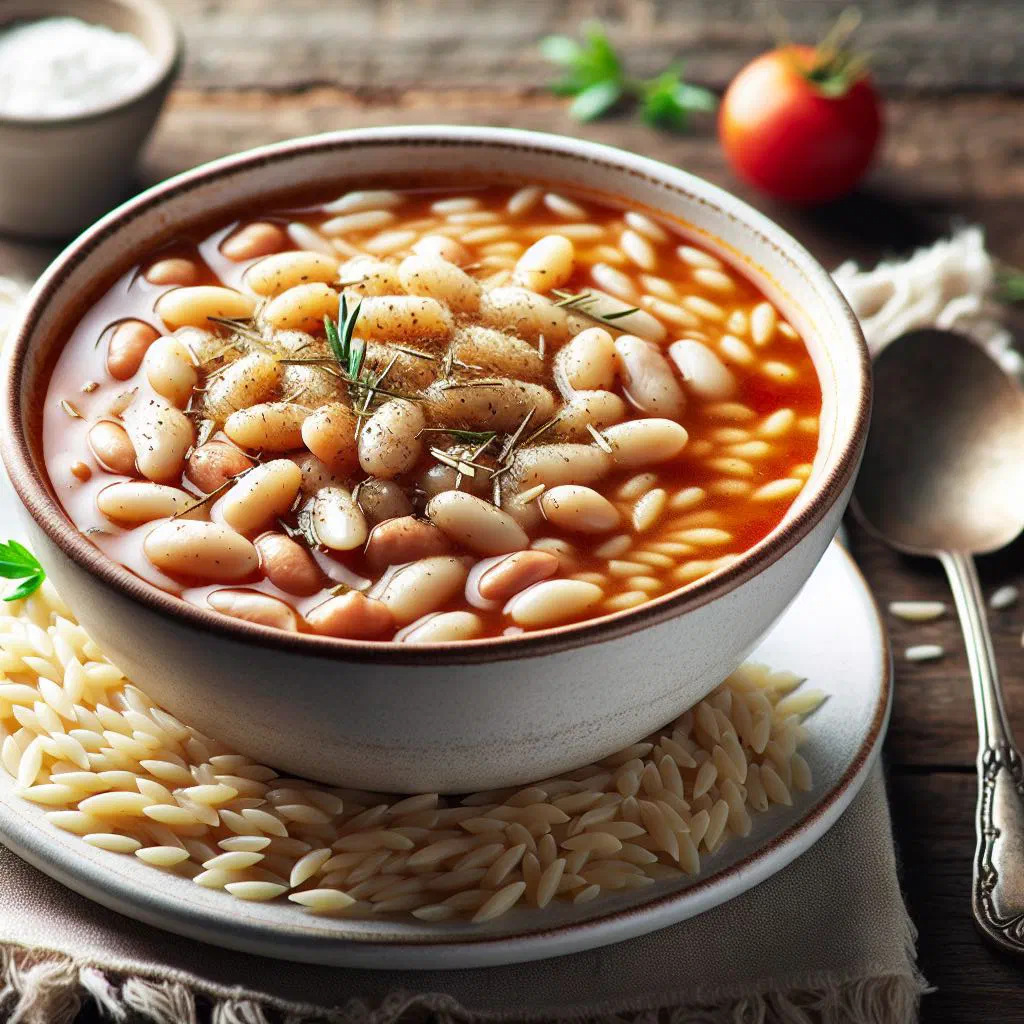
Warm, nourishing and quietly comforting, Fasolada is a soup that sits right at the heart of Greek home cooking. This traditional bowl brings together creamy white beans, ripe tomatoes and fragrant herbs, all simmered into something far greater than the sum of its parts. The addition of tender orzo pasta makes it heartier still, turning a humble pot of beans into a satisfying meal. Bring the sunny flavours of the Mediterranean straight to your own table.
About Fasolada
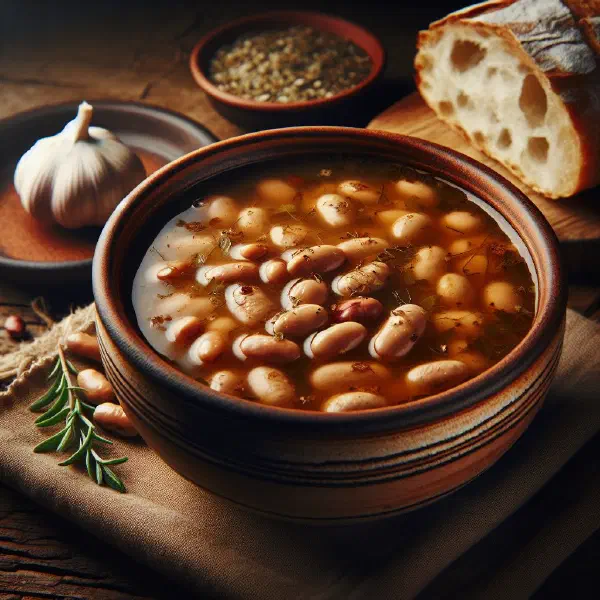
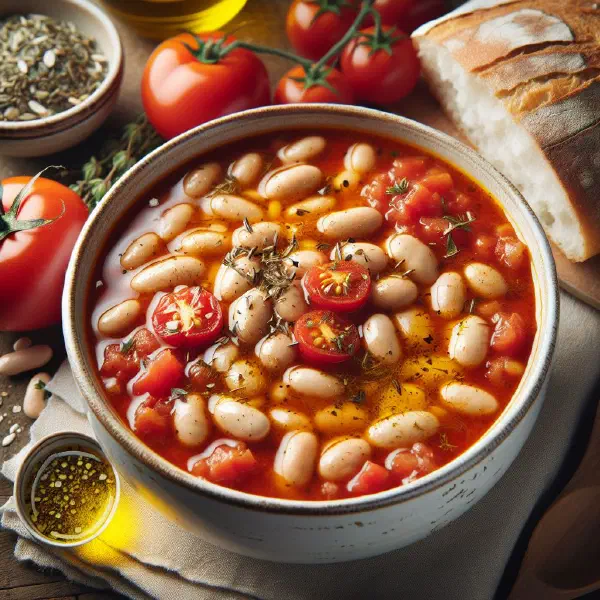
Fasolada is a traditional Greek dish that has won over the hearts of cooks across the country and beyond. This classic soup captures the best of Mediterranean cuisine, offering both wholesome nourishment and real flavour in a single bowl. With juicy, ripe tomatoes, aromatic herbs and tender white beans, it is little wonder that fasolada is often called the “national soup of Greece”. The addition of orzo pasta lends the dish a distinctive touch and makes it more filling, perfect for a cosy supper.
Ingredients (serves 1–2)
- 200 g white beans (such as cannellini or borlotti)
- 2 ripe tomatoes, diced
- 1 onion, diced
- 2 cloves garlic, chopped
- 100 g orzo pasta
- 1 litre vegetable stock
- 2 tablespoons olive oil
- 1 teaspoon dried oregano
- Salt and pepper to taste
- Fresh parsley, to garnish
Shopping for the ingredients
To get the very best out of your fasolada, it pays to choose quality ingredients when shopping. Pick up fresh, ripe tomatoes, as these lend the soup a natural sweetness and a deep, rounded aroma. The white beans should be of good quality too; ideally use dried beans that you soak in advance. A bunch of fresh herbs such as parsley and oregano rounds off the flavour and gives your soup an extra lift of freshness.
Preparing the dish
Before you start cooking fasolada, it is important to prepare all the ingredients properly. If you are using dried beans, begin by soaking the beans overnight. The next day, drain them and rinse thoroughly. Then chop the onions and tomatoes, as this speeds up the cooking. This bit of groundwork ensures the flavours marry well together and improves the texture of the finished soup.
Step-by-step instructions
- Heat the olive oil in a large pan and add the onions. Sauté briefly until translucent.
- Stir in the chopped garlic and cook for a minute until fragrant.
- Add the diced tomatoes and let them simmer for 5–7 minutes until softened.
- Add the soaked, drained beans along with the vegetable stock and bring everything to the boil.
- Reduce the heat and let the soup simmer for around 30 minutes.
- Add the orzo pasta together with the oregano and cook for a further 10–12 minutes.
- Season with salt and pepper, then garnish with fresh parsley before serving.
Gluten-free / lactose-free version
For a gluten-free or lactose-free version of fasolada, simply swap the orzo pasta for one of the gluten-free alternatives now widely available. There are plenty of good-quality products made from rice or other gluten-free grains. As for the lactose-free side, this recipe is ideal as it stands, since it contains no dairy at all. When buying your stock, just check that it is gluten-free too, so the whole dish stays free of allergens.
Tips for vegans and vegetarians
Fasolada is naturally vegan, as it contains no animal products whatsoever. To make the recipe even more flavourful, you can add further vegetables such as carrots or celery. These complement the beans and tomatoes beautifully and bring an extra layer of flavour and nourishment. Just make sure the vegetable stock is vegan too, so the dish stays true to both vegetarian and vegan diets. It works wonderfully alongside other plant-based favourites like Spanakorizo.
More tips and tricks
To get the very best from your fasolada, a few tips and tricks are worth keeping in mind. Avoid cooking the beans for too long so they do not fall apart. This keeps a pleasant bite. Let the soup cool a little before serving so the flavours have time to settle and develop. You can also add a few drops of lemon juice to bring out the freshness. And of course, the soup often tastes even better the next day, once the flavours have had longer to mingle.
Adapting the recipe to your taste
Fasolada offers plenty of scope to adapt the recipe to your own preferences. Add chilli or paprika, for instance, if you like a little more heat. Experiment with different herbs such as thyme or basil to create new flavour profiles. The choice of beans can be varied too; try chickpeas or lentils for a different texture. The recipe is wonderfully flexible when it comes to the ingredients, much like the heartier Fasolia Gigantes.
Ingredient substitutions
If you are looking for alternatives to certain ingredients, there are plenty of options. When fresh tomatoes are not available, you can use tinned tomatoes, which are already seasoned and offer a very similar consistency. For the orzo, other small pasta shapes work just as well. As for the stock, you can always use a homemade vegetable stock to deepen the flavour of the soup.
Drink pairing ideas
The right drink makes all the difference to a bowl of fasolada. A refreshing glass of white wine, such as a Greek Assyrtiko, pairs beautifully with the soup’s Mediterranean flavours. Alternatively, serve sparkling water with a squeeze of lemon to support those fresh notes. If you prefer something alcohol-free, a homemade herbal tea makes an excellent companion.
Serving and presentation ideas
Presentation can lift the enjoyment of a dish considerably. Serve your fasolada in deep bowls and garnish with fresh parsley and a drizzle of olive oil. A scattering of toasted pine nuts on top not only looks lovely but adds extra texture and flavour. Put some fresh bread on the table too, so your guests can mop up the delicious broth. A few visual touches make the whole meal that much more inviting.
A bit of history
The roots of fasolada reach far back and run deep through Greek culture. The dish grew out of the need to combine nourishing, affordable ingredients into a filling meal. Particularly in times when meat was scarce, the pairing of beans and vegetables became a staple for many Greek families. Today fasolada is a much-loved everyday dish and part of Greek celebrations and feasts, a symbol of community and shared pleasure that sits proudly within Greek cuisine.
More recipe ideas
Summary: Fasolada
In short, fasolada is a delicious and nourishing dish that suits any family beautifully. With simple ingredients and a clear method, it is easy to recreate at home. The soup’s versatility allows for adaptations to please every palate.