National Dish Greece: Fava (Recipe)
In this article
Bring a taste of the Aegean to your own kitchen with Fava, one of Greece’s most beloved mezze. This silky purée of yellow split peas is gently simmered until soft, then blended with fruity olive oil and a squeeze of lemon for a warm, nutty flavour that sings of the Mediterranean. Equally at home as a starter or a side, it is nourishing, naturally vegan and endlessly satisfying, a humble dish with real soul.
About Fava
Fava is a traditional Greek dish made from yellow split peas, prized for its creamy texture and its gently nutty aroma that captures the flavours of the Mediterranean so perfectly. It is most often served as a starter or a side, especially alongside freshly toasted bread and a generous pour of good olive oil. Beyond its taste, Fava is wonderfully wholesome and nutritious, which makes it a brilliant choice for almost any meal, a true cornerstone of Greek cuisine.
Ingredients (serves 1–2)
- 150 g yellow split peas
- 1 small onion
- 2–3 tablespoons olive oil
- 1 lemon (juice and zest)
- Salt and pepper, to taste
- Fresh herbs (such as parsley or thyme), to garnish
Shopping for the ingredients
When shopping for Fava, it is worth seeking out fresh, good-quality produce to get the best result. Yellow split peas are often found in bulk-food shops or Asian grocers, while the onion and olive oil are easy to pick up in any supermarket. Do choose a good extra virgin olive oil, as it makes a real difference to the flavour of the finished dish. Fresh herbs should also make it onto your list, ready to lend the dish an aromatic lift.
Preparing the dish
Before you start cooking, give the yellow split peas a thorough rinse and, if you have time, soak them overnight. This shortens the cooking and improves the texture. The onion adds a lovely aromatic backbone, so peel it and chop it finely. Having every ingredient measured and ready means the whole process runs as smoothly as possible, much as it does when making a comforting bowl of Spanakorizo.
Step-by-step instructions
- Tip the soaked yellow split peas into a pan and cover with water. Bring to the boil, then lower the heat and simmer gently for 30–40 minutes, until soft.
- Sauté the onion in a frying pan with a little olive oil until translucent.
- Once the peas are tender, drain them and add to the onion. Combine well and season to taste with salt, pepper and the juice of one lemon.
- Blend everything until smooth and creamy, adding a little more olive oil if needed to reach the right consistency.
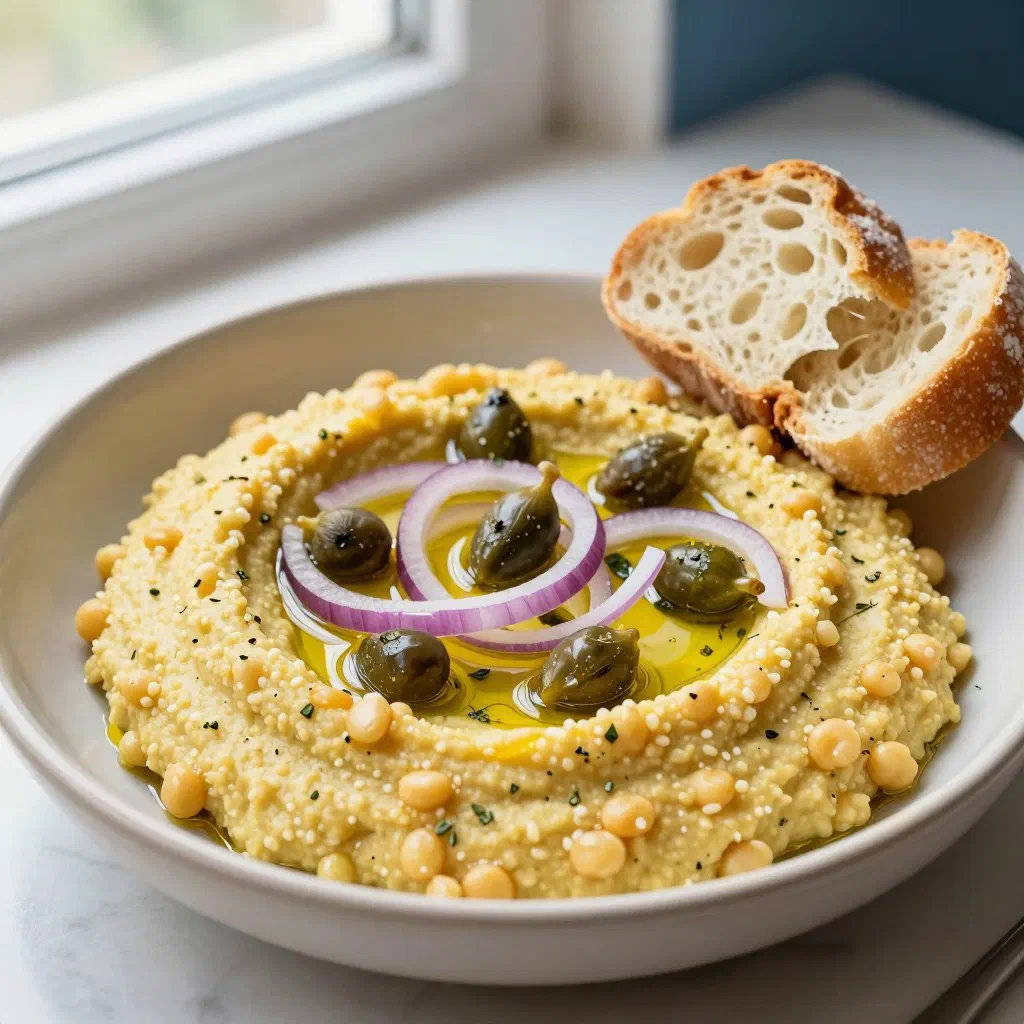
- Spoon the Fava into a bowl, drizzle with olive oil and finish with fresh herbs.
Gluten-free / lactose-free version
Fava is naturally gluten-free and lactose-free, which makes it an ideal choice for anyone with particular dietary needs. Simply check that every ingredient you use is likewise free from gluten and lactose. These qualities make Fava especially popular with those pursuing a healthy lifestyle, in much the same way as the chickpea-based Revithokeftedes.
Tips for vegans and vegetarians
Fava is delicious and a wonderful vegan option. Because it contains nothing but plant-based ingredients, it suits vegan and vegetarian diets perfectly. To deepen that nutty character, scatter over some toasted nuts or seeds as a topping. Fava also makes an excellent base for all manner of vegan dips and spreads.
More tips and tricks
A handy tip when making Fava is to sauté a couple of garlic cloves alongside the onion to intensify the flavour. Experiment with different herbs or spices to tailor the aromas to your liking. If you find the consistency a little too thick, simply loosen it with a splash of water or a touch more olive oil to reach the creaminess you are after. Be playful and enjoy the process.
Adapting the recipe to your taste
The Fava recipe is easy to adapt to personal preference. If you fancy a spicier version, add a pinch of red chilli flakes or some fresh chilli. For an extra Mediterranean touch, fold olives or sun-dried tomatoes through the purée.
Ingredient substitutions
If you cannot get hold of yellow split peas, red lentils make a fine swap, offering a similar texture and a slightly different flavour. In place of olive oil you could use coconut oil, which lends the dish an intriguing note. For the garnish, toasted nuts work beautifully instead of fresh herbs, adding a delicious crunch. Alternatives like these keep things varied and open the door to new flavours.
Drink pairing ideas
Fava pairs beautifully with light, refreshing drinks. A crisp white wine, such as a Greek Assyrtiko, harmonises perfectly with the flavours of the dish. For an alcohol-free option, serve a minty lemon water or a cool peppermint tea. These choices complement the taste of Fava and round off a Greek meal in fine style, a tsipouro from a Tsipouro Meze spread also makes a spirited match.
Serving and presentation ideas
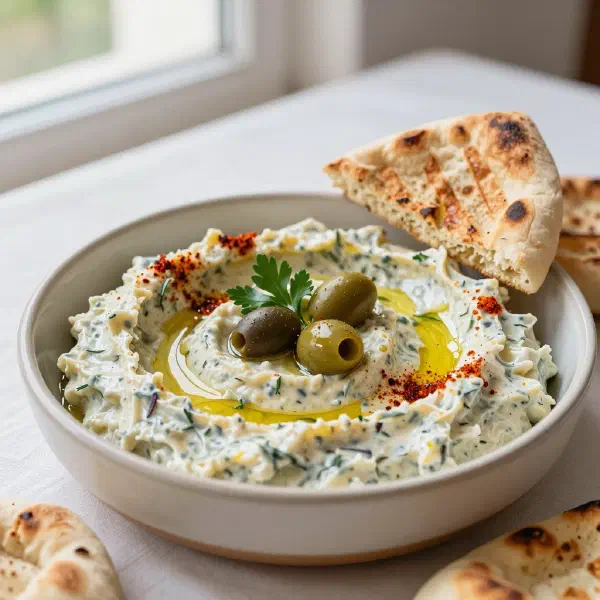
For serving Fava, simple yet elegant plates work best. A large bowl with the Fava mounded in the centre is a lovely way to present it. Finished with a little fresh olive oil, a pinch of paprika and a scattering of herbs, it looks every bit as inviting as it tastes. A few slices of toasted bread and a bowl of olives on the table complete the picture and lend the whole spread a relaxed Mediterranean flair.
A bit of history
Fava has a long tradition in Greek cooking and is a much-loved dish across many regions of the country. Understandably, it is closely associated with the Aegean and its wonderful produce. Originally from the island of Santorini, Fava quickly grew popular elsewhere in Greece as a nourishing, easy-to-make dish. Today it is a firm fixture of Greek food culture, enjoyed by locals and visitors alike.
More recipe ideas
Summary: Fava
In short, Fava is a flavourful and nourishing dish that suits any occasion perfectly. Its simple preparation and the scope for adapting it make it a versatile favourite in the Greek kitchen. With its creamy texture and nutty aroma, Fava brings a little piece of the Aegean to your table. Let the flavours of Greece work their magic and savour this delicious delicacy.