National Dish Greece: Gemista (Recipe)
In this article
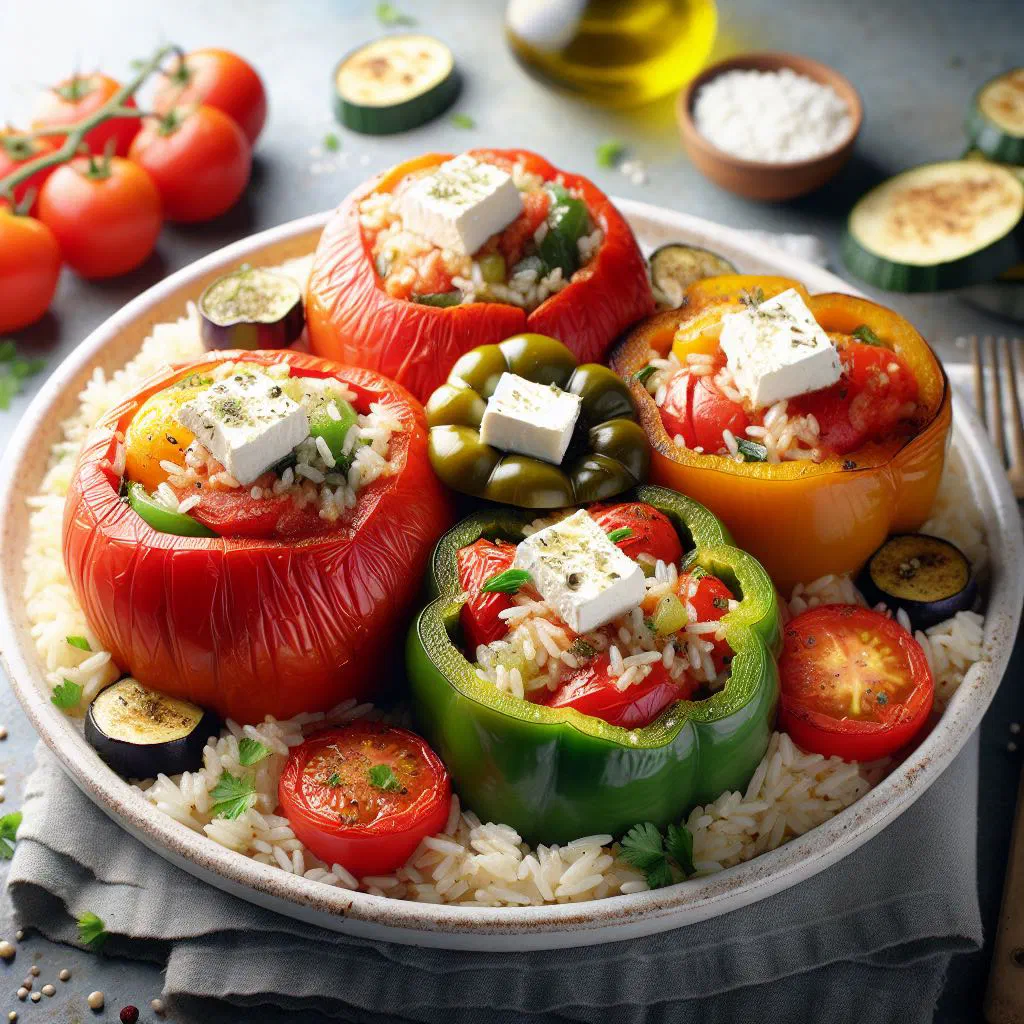
Discover Gemista, the colourful national dish of Greece. This Mediterranean classic sees a medley of summer vegetables hollowed out and lovingly filled with a fragrant rice stuffing, then slow-baked until tender and golden. Scented with oregano, thyme and plenty of good olive oil, it captures the sun-soaked soul of Greek home cooking. Bring the magic of the Mediterranean straight to your table with this comforting, endlessly satisfying bake.
About Gemista
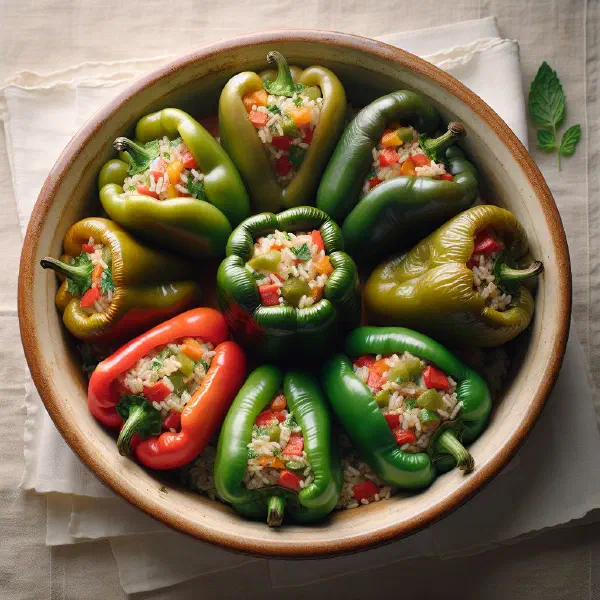
Gemista is a beloved Greek dish that speaks to a rich tradition and a deep cultural heritage. In this bright plate of food you can taste the Mediterranean heart of Greece. It is a selection of vegetables, typically tomatoes, peppers, courgettes and aubergines, that are lovingly stuffed with a mixture of rice, fresh herbs and, in some versions, a little meat. The combination of fresh vegetables, aromatic herbs and a hearty filling makes it an unmistakably delicious experience, while the assortment of colourful vegetables gives the dish its cheerful, generous appearance.
Ingredients (serves 1–2)
- 2 large beefsteak tomatoes
- 2 green peppers
- 1 medium courgette
- 1 small aubergine
- 100 g long-grain rice
- 1 onion, finely chopped
- 2 cloves of garlic, finely chopped
- 50 ml olive oil
- 2 tablespoons fresh parsley, chopped
- 1 teaspoon dried oregano
- 1 teaspoon dried thyme
- Salt and freshly ground black pepper
- 100 ml vegetable stock or water
- Optional: 100 g minced meat for the non-vegetarian version
Shopping for the ingredients
When shopping for the ingredients for gemista, pay attention to how fresh the vegetables are, as this is essential to the flavour of the finished dish. Choose ripe, firm tomatoes and crisp peppers, and remember that fresh herbs make a real difference to the aroma. If you decide to add meat, it is worth seeking out good-quality minced meat from a butcher you trust. Most of what you need is easy to find at a local market or greengrocer, where seasonal produce will be at its best.
Preparing the dish
Wash the vegetables thoroughly, then slice a lid from the top of each tomato and pepper. Carefully hollow them out, taking care not to damage the shells, and keep the scooped-out flesh to one side. It will be used later in the filling. The aubergine and the courgette should be hollowed out in the same way. A little groundwork here makes the whole process smoother and helps the dish come together at a relaxed, steady pace.
Step-by-step instructions
- Preheat the oven to 180 °C.
- Heat the olive oil in a frying pan and gently sauté the onion and garlic until translucent.
- Add the rice and let it toast briefly. Stir in the herbs, salt and pepper and mix everything well.
- Add the reserved hollowed-out vegetable flesh and let the mixture simmer for five minutes.
- Take the pan off the heat and let the filling cool a little, then spoon it into the prepared vegetables.
- Set the lids back on top of the stuffed vegetables and arrange them in an ovenproof dish.
- Pour the vegetable stock or water into the dish to create a moist environment during baking.
- Bake for around 45 minutes, until the rice is tender and the tops are lightly browned.
Gluten-free / lactose-free version
Gemista is naturally well suited to a gluten-free and lactose-free diet. The rice filling contains no gluten, so as long as you check that your stock and any spice blends are gluten-free, the dish is safe for anyone with a gluten intolerance. Because the classic recipe is built on olive oil rather than butter or cheese, it is already lactose-free. Simply leave out any optional dairy garnish. That way every guest can enjoy this Mediterranean favourite without compromise.
Tips for vegans and vegetarians
In its traditional form, gemista is wonderfully vegan and vegetarian, since the rice-and-herb stuffing needs no meat at all. Simply omit the optional minced meat and lean on fresh vegetables, parsley and good olive oil for a filling that is every bit as satisfying. Take care to avoid hidden animal products in stock cubes or seasoning mixes, and reach for seasonal produce wherever you can. This is a dish that adapts effortlessly to a plant-based table.
More tips and tricks
To make sure the rice is fully cooked, check the dish towards the end of the baking time. If the rice is still too firm, pour in a little more stock or water and let it carry on cooking. A good trick for keeping the stuffed vegetables juicy is to drizzle a little extra olive oil over them before they go into the oven. Many Greek cooks also tuck a few potato wedges around the vegetables, which roast in the same juices and round out the meal beautifully.
Adapting the recipe to your taste
Gemista is wonderfully versatile and easy to tailor to your own preferences. Swap in different vegetables, large onions or even potatoes work well alongside the tomatoes and peppers, to vary the colours and flavours. Add a pinch of chilli for a little heat, or stir in raisins and pine nuts for a sweeter, more festive note. You can also enrich the filling with crumbled feta for a tangier result, creating a dish that suits your taste exactly.
Ingredient substitutions
If certain ingredients for gemista are not to hand, there are plenty of creative alternatives. Bulgur or quinoa make a lovely stand-in for the rice and lend the filling a nuttier texture. Fresh mint or dill can replace the parsley for a different aromatic lift, much like the herbs that brighten a fresh Tzatziki with Mint. If green peppers are scarce, red or yellow ones work just as well and add even more colour. Substitutions like these help you adapt the recipe to what is in season.
Drink pairing ideas
A range of drinks pairs beautifully with gemista and complements its herby, sun-ripened flavours. A crisp Greek white such as Assyrtiko or a light rosé is a classic match, balancing the sweetness of the baked tomatoes. For a non-alcoholic option, a chilled glass of homemade lemonade or sparkling water with a wedge of lemon refreshes the palate. A small glass of ouzo with ice makes a fitting Mediterranean finish to the meal.
Serving and presentation ideas
Presentation can lift the whole gemista experience. Arrange the stuffed vegetables on a large platter, lids in place, and scatter over a little extra chopped parsley for colour. A bowl of thick Greek yoghurt and a simple green salad alongside add freshness and contrast, while a basket of crusty bread is perfect for mopping up the savoury cooking juices. Served family-style in the middle of the table, it makes for a wonderfully inviting spread.
A bit of history
Gemista has deep roots in the Greek countryside, where stuffing vegetables was a thrifty and delicious way to make the most of a summer harvest. Born of the rhythms of Greek cuisine, the dish traditionally appears in the warmer months, when tomatoes, peppers and courgettes are at their ripest and most flavourful. Often prepared as part of the ladera tradition of olive-oil-based vegetable dishes, gemista has long been a staple of family gatherings and religious fasting periods alike, and remains a cherished symbol of home cooking across Greece.
More recipe ideas
Summary: Gemista
Gemista is more than just a meal; it is a culinary celebration of Greece’s sunny landscape and warm hospitality. With its medley of stuffed vegetables, fragrant herbs and golden olive oil, it offers a genuine taste of the Mediterranean. Gemista brings colour, comfort and flavour to any table. Let this Greek classic inspire you and give it a try, your taste buds will thank you.